
The Living Interface: How Adaptive Design Solutions and Behavioral Insights Create Dynamic User Experiences
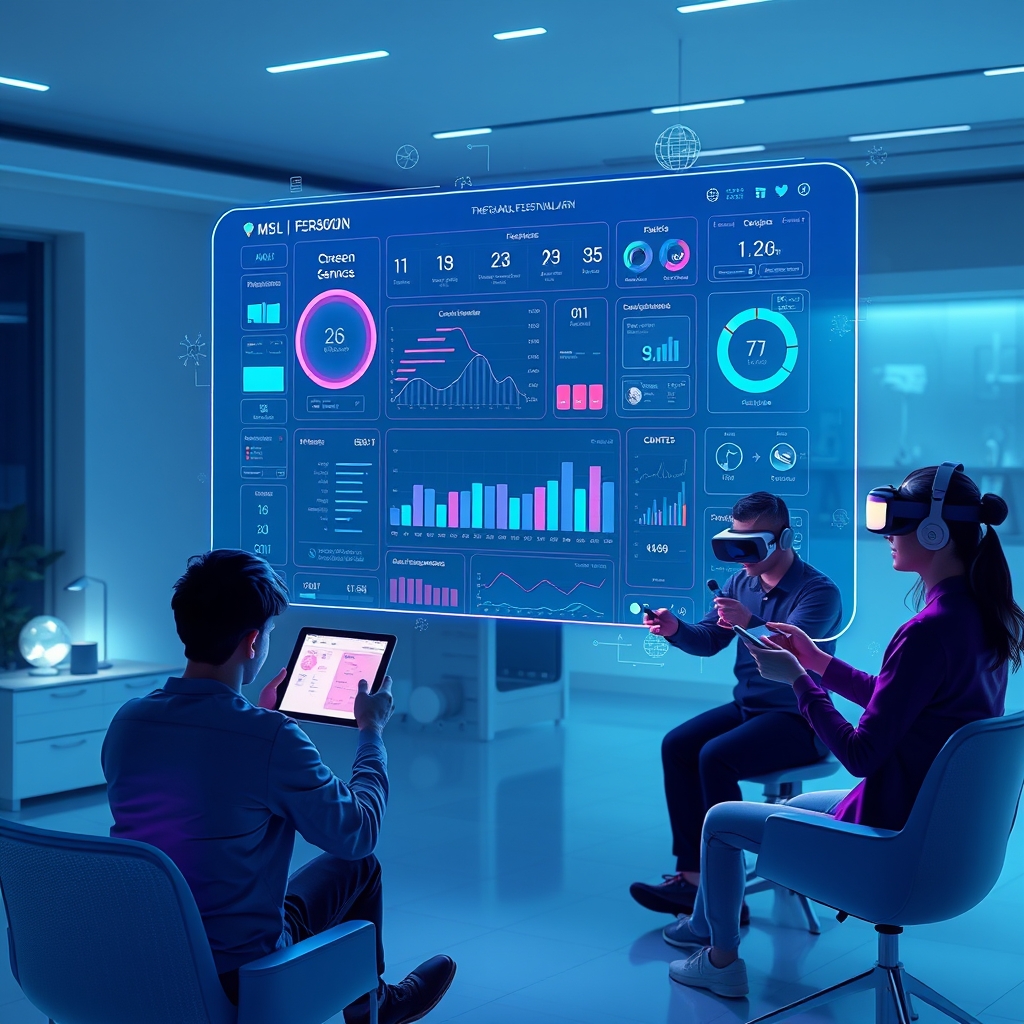
Digital interfaces are no longer static canvases—they are living, breathing ecosystems that evolve alongside their users. The shift from rigid design frameworks to adaptive design solutions marks a fundamental change in how we approach user experience. No longer satisfied with one-size-fits-all layouts, modern designers are embracing fluid, responsive systems that anticipate needs, adjust to behaviors, and grow with the people who use them. This transformation isn’t just about aesthetics or functionality; it’s about creating digital environments that feel inherently human.
The Psychology Behind Adaptive Interfaces
At the heart of adaptive design lies a deep understanding of behavioral design insights. Every click, scroll, and hesitation tells a story, and the most effective interfaces listen. By analyzing user interactions—such as time spent on a page, navigation patterns, or even subtle micro-interactions—designers can identify friction points and opportunities for refinement. For example, an e-commerce platform might detect that users frequently abandon their carts at the payment stage. Instead of assuming the issue is technical, adaptive design would explore behavioral triggers: Is the checkout process too complex? Are users hesitating due to unexpected fees? By addressing these psychological barriers, the interface can dynamically adjust, perhaps by simplifying the flow or offering reassurance through microcopy.
This approach goes beyond traditional usability testing. While A/B testing provides valuable data, it often captures only a snapshot of user behavior. Adaptive design, on the other hand, thrives on continuous feedback loops. Tools like heatmaps, session recordings, and AI-driven analytics allow designers to observe real-time behavior, enabling them to make data-informed design upgrades that feel almost intuitive. The result? Interfaces that don’t just respond to users but anticipate their needs before they even articulate them.
The Role of Experiential Design Thinking
Adaptive design isn’t just about algorithms and analytics—it’s rooted in experiential design thinking. This philosophy prioritizes the emotional and cognitive journey of the user, ensuring that every interaction feels meaningful. Consider a fitness app that tracks workouts. A traditional design might focus solely on data visualization—calories burned, distance run, heart rate. But an experiential approach would layer in motivational elements: celebratory animations for personal bests, personalized challenges based on past performance, or even adaptive difficulty levels that adjust to the user’s mood or energy.
This level of personalization requires a shift in mindset. Designers must move from asking, “What does the user need to do?” to “How does the user want to feel?” This emotional resonance is what transforms a functional interface into a memorable experience. It’s why platforms like Spotify or Netflix don’t just recommend content—they curate moods, moments, and memories. By integrating experiential design thinking, adaptive interfaces become more than tools; they become companions in the user’s daily life.
Scalable Systems for Seamless Evolution
One of the biggest challenges in adaptive design is ensuring that personalization doesn’t come at the cost of scalability. A system that adapts to individual users must also remain cohesive and maintainable as it grows. This is where scalable design systems come into play. These systems provide a framework of reusable components, guidelines, and principles that allow for flexibility without sacrificing consistency. For example, a design system might include modular UI elements that can be rearranged based on user preferences, or a set of predefined animations that adapt to different interaction patterns.
Scalable design systems also enable collaborative design iteration. When designers, developers, and stakeholders work from a shared foundation, they can experiment with new features or adjustments without disrupting the overall experience. This collaborative approach is essential for iterative improvement, as it allows teams to test, learn, and refine in real time. For instance, a social media platform might introduce a new feature—like a customizable feed—within a controlled group of users. By gathering feedback and analyzing behavior, the team can refine the feature before rolling it out to a wider audience, ensuring that the adaptation feels natural rather than disruptive.
The Future of Intuitive Layout Refinement
As technology advances, so too does the potential for intuitive layout refinement. Emerging tools like AI-driven design assistants and generative design platforms are making it easier than ever to create interfaces that adapt in real time. Imagine a dashboard that rearranges its widgets based on the time of day, or a mobile app that adjusts its navigation menu based on the user’s location. These aren’t futuristic fantasies—they’re the next frontier of adaptive design.
However, with this power comes responsibility. Designers must ensure that adaptive interfaces remain accessible and inclusive. Accessibility-focused improvement should be a core consideration, not an afterthought. For example, an interface that adapts to user behavior must also accommodate users with disabilities, whether through customizable font sizes, screen reader compatibility, or alternative input methods. The goal is to create experiences that are not only personalized but also universally usable.
Prototyping and Testing: The Engine of Adaptation
The backbone of any adaptive design strategy is prototyping and testing cycles. These cycles allow designers to experiment with different approaches, gather feedback, and refine their work before it reaches the end user. Prototyping tools like Figma, Adobe XD, or Framer enable designers to create interactive mockups that simulate real-world usage. By testing these prototypes with actual users, teams can identify pain points, validate assumptions, and iterate quickly.
Testing isn’t just about identifying what’s broken—it’s about discovering what delights. For example, a prototyping session might reveal that users respond positively to a particular animation or micro-interaction. These small but meaningful details can be amplified in the final design, creating moments of joy that enhance the overall experience. The key is to approach testing with an open mind, embracing both failures and successes as opportunities for growth.
Adaptive design is not a destination but a journey—one that requires curiosity, empathy, and a willingness to evolve. As users’ needs and expectations continue to shift, so too must the interfaces we create. The most successful digital experiences are those that feel alive, that grow and change alongside the people who use them. By embracing adaptive design solutions, behavioral insights, and iterative improvement, we can craft interfaces that don’t just meet users’ needs but anticipate them, creating experiences that are as dynamic and unique as the individuals they serve. In this ever-changing landscape, the only constant is the user—and the interfaces that adapt to them will define the future of digital interaction.