The Craft of Continuous Improvement: Mastering Iterative Interface Design
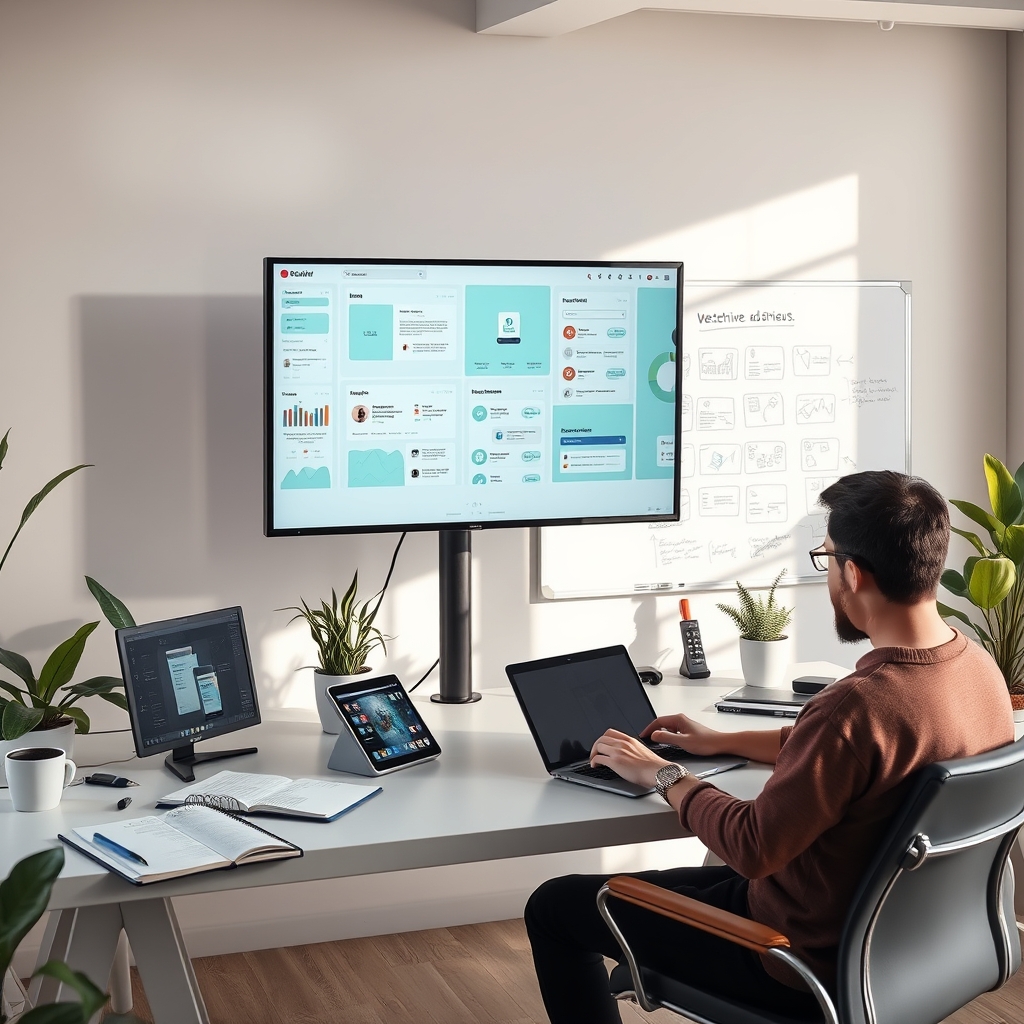
In the ever-evolving landscape of digital design, the pursuit of perfection is a journey rather than a destination. Iterative interface improvement stands at the heart of this journey, a process that continually refines and enhances user experiences. This approach is not merely about making things look better; it’s about creating interfaces that are intuitive, accessible, and responsive to user needs.
Understanding User-Centered Design Optimization
User-centered design optimization is the cornerstone of iterative interface improvement. It involves a deep understanding of user behaviors, preferences, and pain points. By placing the user at the center of the design process, we can create interfaces that are not only functional but also delightful to use. This approach requires a blend of qualitative and quantitative data, ensuring that design decisions are informed by real user insights.
Experiential Design Thinking
Experiential design thinking takes user-centered design a step further by focusing on the emotional and psychological aspects of user interactions. It involves creating experiences that resonate with users on a deeper level, fostering a sense of connection and engagement. This approach is particularly effective in industries where user satisfaction and loyalty are paramount.
Data-Informed Design Upgrades
Data-informed design upgrades leverage analytics and user feedback to drive continuous improvement. By analyzing user behavior data, designers can identify areas of friction and optimize interfaces to enhance usability. This data-driven approach ensures that design changes are not based on assumptions but on concrete evidence of user needs and preferences.
The Role of Prototyping and Testing
Prototyping and testing cycles are integral to iterative interface improvement. They allow designers to experiment with different design solutions and gather feedback before committing to a final design. This iterative process helps in identifying and addressing potential issues early, ensuring a smoother and more efficient design workflow.
Adaptive Design Solutions
Adaptive design solutions focus on creating interfaces that can adapt to different user needs and contexts. This involves designing for accessibility, ensuring that interfaces are usable by people with diverse abilities. It also includes creating responsive designs that work seamlessly across different devices and screen sizes.
Performance-Driven Design Changes
Performance-driven design changes prioritize the optimization of interface performance. This includes improving load times, reducing latency, and enhancing overall system responsiveness. By focusing on performance, designers can create interfaces that are not only visually appealing but also highly functional and efficient.
Collaborative Design Iteration
Collaborative design iteration involves working closely with stakeholders, including users, developers, and other designers. This collaborative approach ensures that design decisions are well-informed and aligned with the overall goals of the project. It also fosters a culture of continuous improvement, where feedback and insights are regularly incorporated into the design process.
Efficient Visual Communication
Efficient visual communication is crucial for creating intuitive and user-friendly interfaces. This involves using visual elements such as icons, colors, and typography to convey information clearly and effectively. By optimizing visual communication, designers can enhance the overall user experience and make interfaces more accessible.
Personalized Design Adjustments
Personalized design adjustments tailor interfaces to individual user preferences and behaviors. This involves using data and user feedback to create customized experiences that resonate with users on a personal level. By focusing on personalization, designers can create interfaces that are not only functional but also emotionally engaging.
In conclusion, iterative interface improvement is a multifaceted process that involves a deep understanding of user needs, data-informed design decisions, and a commitment to continuous refinement. By embracing this approach, designers can create interfaces that are not only visually appealing but also intuitive, accessible, and responsive to user needs. The journey of continuous improvement is ongoing, and each iteration brings us one step closer to creating truly exceptional user experiences.