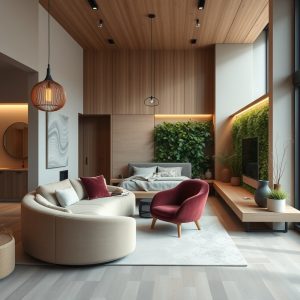
Harmonizing Style and Sustainability: The Rise of Japandi Living Rooms in Modern Homes
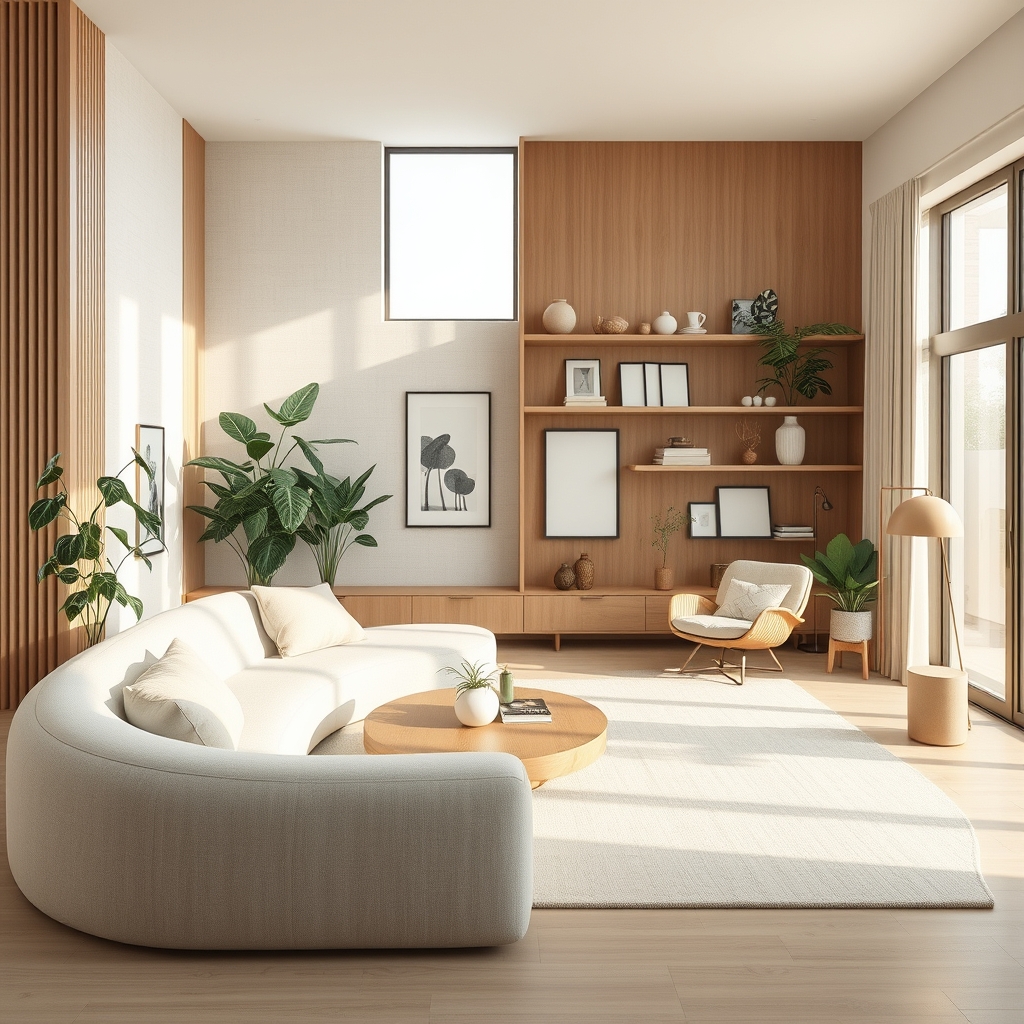
In the ever-evolving world of interior design, the fusion of aesthetics and sustainability has given birth to a trend that is as timeless as it is contemporary: Japandi living rooms. This design philosophy, a seamless blend of Japanese minimalism and Scandinavian functionality, is redefining modern living spaces by prioritizing simplicity, natural elements, and mindful consumption. As homeowners increasingly seek to create environments that are both beautiful and eco-conscious, Japandi design offers a compelling blueprint for achieving harmony in the home.
The Essence of Japandi Design
At its core, Japandi design is about stripping away the unnecessary to reveal the essence of a space. It embraces the Japanese concept of “wabi-sabi,” which finds beauty in imperfection and transience, while also incorporating the Scandinavian principle of “hygge,” which emphasizes comfort and coziness. The result is a living room that feels serene, uncluttered, and deeply connected to nature. Neutral, earthy color palettes dominate, with soft whites, warm beiges, and muted greys creating a calming backdrop that allows natural light to take center stage.
Furniture in a Japandi living room is characterized by clean lines, organic shapes, and a focus on craftsmanship. Multi-functional pieces, such as modular sofas or extendable coffee tables, are often favored for their ability to adapt to the needs of modern living. These items are typically made from sustainable materials like reclaimed wood, bamboo, or rattan, reflecting a commitment to reducing environmental impact. The emphasis on quality over quantity ensures that each piece not only serves a purpose but also contributes to the overall aesthetic of the room.
Biophilic Design: Bringing the Outdoors In
Biophilic interior design, which seeks to strengthen the connection between humans and nature, is a natural companion to Japandi living rooms. By incorporating natural elements such as indoor plants, stone accents, and wooden textures, homeowners can create spaces that promote well-being and tranquility. Indoor plant styling, in particular, has become a cornerstone of this trend, with species like the snake plant, fiddle-leaf fig, and monstera adding a touch of greenery that softens the minimalist aesthetic.
Textured wall coverings, such as linen or grasscloth, further enhance the biophilic experience by introducing tactile elements that evoke the natural world. These materials not only add depth and warmth to a room but also improve acoustics, making the space feel more inviting. For those looking to make a bolder statement, fluted wall panels or curved sofa trends can introduce subtle organic forms that echo the shapes found in nature. The key is to strike a balance between simplicity and sensory richness, ensuring that the space feels both grounded and dynamic.
Sustainable Decor: A Mindful Approach to Styling
Sustainability is not just a buzzword in Japandi design; it is a guiding principle that informs every aspect of the decor. From choosing furniture made from FSC-certified wood to opting for textiles crafted from organic cotton or linen, every decision is made with the environment in mind. Vintage aesthetic accents, such as upcycled mirrors or antique ceramics, are often incorporated to add character and reduce waste. These pieces not only tell a story but also serve as a reminder of the beauty that can be found in repurposing and reusing.
Smart lighting control is another sustainable feature that complements Japandi living rooms. By using energy-efficient LED bulbs and programmable systems, homeowners can reduce their carbon footprint while also enhancing the ambiance of their space. Warm, diffused lighting is preferred, as it mimics the soft glow of natural sunlight and creates a cozy atmosphere. For those who love to read, a well-designed cozy reading corner with a floor lamp and a plush armchair can become a sanctuary within the home, encouraging relaxation and mindfulness.
Maximalist Touches in a Minimalist World
While Japandi design is often associated with minimalism, it does not have to mean sacrificing personality or visual interest. Maximalist gallery walls, for example, can be curated with a mix of vintage art, family photographs, and modern prints to create a focal point that reflects the homeowner’s unique taste. Custom floating shelves offer a practical way to display these collections while keeping the space organized and clutter-free. The key is to maintain a sense of balance, ensuring that even the most eclectic elements feel cohesive within the overall design.
Statement backsplashes in the kitchen or luxury wet rooms can also introduce a touch of drama without overwhelming the space. Matte black fittings, for instance, add a modern edge to bathrooms and kitchens, while organic modern architecture elements, such as curved archways or asymmetrical windows, can enhance the flow of natural light and create a sense of openness. These design choices demonstrate that sustainability and style are not mutually exclusive but can coexist in a way that is both functional and visually stunning.
Creating a Space That Grows With You
One of the most appealing aspects of Japandi living rooms is their adaptability. The focus on multi-functional furniture and hidden storage solutions means that these spaces can evolve alongside the needs of their inhabitants. Whether it’s a growing family, a new hobby, or a shift in lifestyle, a Japandi-inspired room can be easily reconfigured to accommodate change. This flexibility is particularly valuable in today’s fast-paced world, where the ability to adapt is more important than ever.
The principles of Japandi design extend beyond the living room, offering a holistic approach to home decor that can be applied to every space. From a dark academia study filled with vintage books and warm lighting to an organic modern kitchen with hidden storage and statement backsplashes, the possibilities are endless. By embracing sustainability, simplicity, and a deep connection to nature, homeowners can create environments that are not only beautiful but also nurturing and resilient.
As we continue to navigate the complexities of modern life, the appeal of Japandi living rooms lies in their ability to ground us in what truly matters. These spaces remind us that less can indeed be more, and that by choosing quality over quantity, we can create homes that are not only stylish but also sustainable. In a world that often feels chaotic and overwhelming, a Japandi-inspired living room offers a sanctuary of calm, a place where we can reconnect with ourselves and the natural world. It is a testament to the power of design to transform not just our spaces, but our lives.