The Art of Serene Spaces: Blending Minimalism and Nature for a Calm Home
In today’s fast-paced world, our homes have become more than just living spaces—they are sanctuaries where we seek refuge from the chaos of daily life. The growing trend of minimalist living rooms and sustainable interior design reflects a collective desire to create environments that are not only aesthetically pleasing but also emotionally soothing. By embracing simplicity, natural elements, and thoughtful functionality, you can transform your home into a haven of tranquility.
The Philosophy Behind Minimalist Living Rooms
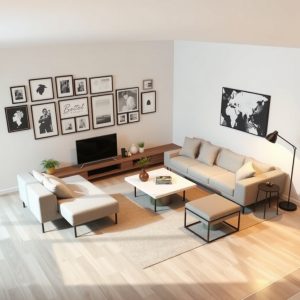
Minimalism is more than just a design trend; it’s a lifestyle choice that prioritizes intentionality and mindfulness. A minimalist living room strips away the unnecessary, leaving only what is essential and meaningful. This approach doesn’t mean sacrificing comfort or style—rather, it’s about curating a space that feels open, airy, and uncluttered. Neutral color palettes, clean lines, and unadorned surfaces are hallmarks of this style, creating a sense of calm that resonates with the soul.
One of the key principles of minimalist design is the idea of “less is more.” This doesn’t imply a lack of personality or warmth; instead, it encourages a focus on quality over quantity. Investing in a few well-made, timeless pieces—such as a curved sofa design or a velvet accent chair—can elevate the space without overwhelming it. The result is a living room that feels both sophisticated and inviting, a place where you can unwind and recharge.
Incorporating Japandi Style for Warmth and Elegance
For those who love the simplicity of minimalism but crave a touch of warmth, Japandi style offers the perfect blend. This hybrid design aesthetic combines the clean lines of Japanese minimalism with the cozy, functional elements of Scandinavian design. The result is a space that feels serene yet lived-in, where natural materials like wood, stone, and linen take center stage.
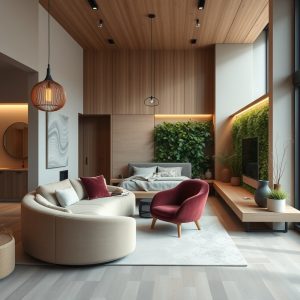
In a Japandi-style bedroom, you’ll often find low-profile furniture, muted earthy color palettes, and an emphasis on craftsmanship. The use of organic textures and subtle patterns adds depth to the space without disrupting its harmony. For example, a platform bed with a simple wooden frame, paired with soft, neutral bedding, can create a sense of balance and tranquility. The goal is to foster a connection with nature while maintaining a clutter-free environment, making it an ideal choice for those seeking a peaceful retreat.
The Rise of Biophilic Home Decor
Biophilic design is another trend that has gained momentum in recent years, as more people recognize the benefits of bringing nature indoors. This approach goes beyond adding a few houseplants—it’s about creating a deep, intrinsic connection with the natural world through design. Indoor garden walls, large windows that flood spaces with natural light, and the use of raw materials like wood and stone are all ways to incorporate biophilic elements into your home.
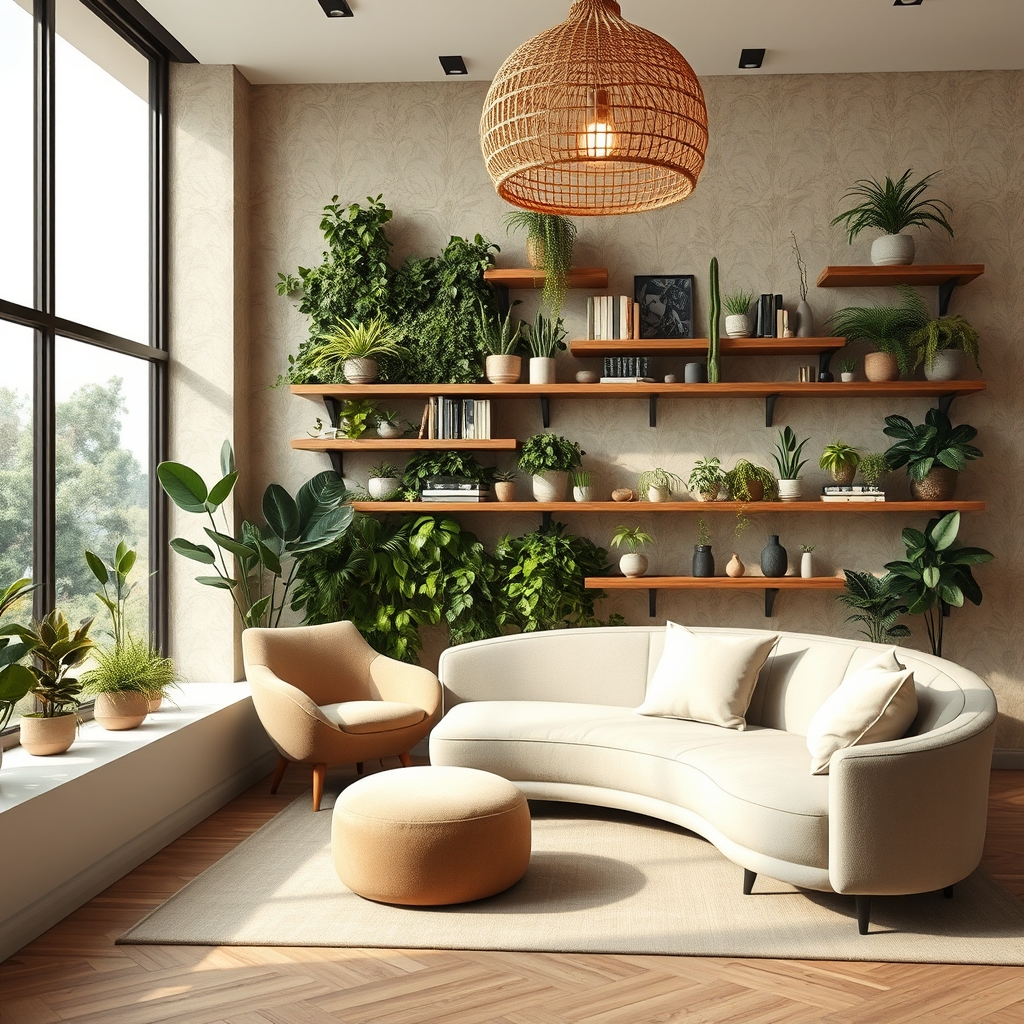
The psychological benefits of biophilic design are well-documented. Studies have shown that exposure to natural elements can reduce stress, improve mood, and enhance overall well-being. In a living room, this might translate to a statement lighting fixture made from woven rattan, or a cozy reading nook nestled beside a floor-to-ceiling bookshelf filled with greenery. Even small touches, like a textured wallpaper with a subtle leaf pattern or floating wall shelves displaying air plants, can make a significant difference in how a space feels.
Sustainable Interior Design: A Responsible Choice
As awareness of environmental issues grows, so does the demand for sustainable interior design. This approach prioritizes eco-friendly materials, energy-efficient solutions, and ethical sourcing. From reclaimed wood furniture to non-toxic paints and recycled textiles, there are countless ways to create a beautiful home that aligns with your values.
One of the most effective ways to embrace sustainability is by choosing multi-functional spaces. For example, an open-concept kitchen with hidden storage solutions can reduce clutter while maximizing usability. Similarly, opting for vintage furniture revival not only adds character to your home but also reduces waste by giving old pieces a new life. Sustainable design isn’t just about aesthetics—it’s about making choices that benefit both the planet and your well-being.
Creating Multi-Functional Spaces for Modern Living
With urban living spaces becoming increasingly compact, the need for multi-functional areas has never been greater. A well-designed home should adapt to your lifestyle, whether that means transforming a guest room into a home office or incorporating a luxury home spa into your bathroom. The key is to think creatively about how each space can serve multiple purposes without feeling cramped or chaotic.
For instance, a living room can double as a workspace by adding a sleek desk and ergonomic chair that blend seamlessly with the decor. Floating wall shelves can provide storage while keeping the floor space open, and a statement lighting fixture can define different zones within the room. In the kitchen, smart technology like touchless faucets and energy-efficient appliances can enhance functionality while reducing your environmental footprint. The goal is to create a home that works as hard as you do, without sacrificing style or comfort.
The Charm of Vintage and Art Deco Accents
While minimalism and sustainability are at the forefront of modern design, there’s also a growing appreciation for the past. Vintage furniture revival and Art Deco accents bring a sense of history and personality to contemporary spaces. A well-placed vintage rug, a mid-century modern sideboard, or a geometric Art Deco mirror can add warmth and character to a room, creating a space that feels uniquely yours.
The beauty of vintage and Art Deco pieces lies in their ability to tell a story. Each item carries a sense of craftsmanship and timelessness that mass-produced furniture often lacks. When paired with modern elements, these accents create a dynamic contrast that keeps the space from feeling too sterile or predictable. Whether it’s a velvet accent chair in a rich jewel tone or a bold, curved sofa design, these pieces can serve as focal points that draw the eye and spark conversation.
Designing a home that reflects your values and nurtures your well-being is a journey, not a destination. It’s about making intentional choices that align with your lifestyle, whether that means embracing minimalism, incorporating biophilic elements, or opting for sustainable materials. The spaces we create should inspire us, comfort us, and remind us of what truly matters. By blending simplicity with nature, functionality with beauty, and tradition with innovation, we can craft homes that are not only visually stunning but also deeply meaningful. In the end, the most beautiful spaces are those that feel like a true reflection of who we are and how we want to live.