The Future of Home Design: Multi-Functional Spaces for Modern Living
In today’s fast-paced world, where urban living often means compromising on space, the concept of multi-functional rooms has evolved from a trend into a necessity. Homeowners and designers alike are reimagining interiors to serve dual—or even triple—purposes without sacrificing style or comfort. The shift toward flexible living isn’t just about saving square footage; it’s about creating environments that adapt to our ever-changing lifestyles, blending practicality with aesthetic appeal.
The Philosophy Behind Multi-Functional Design
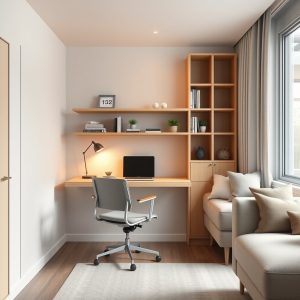
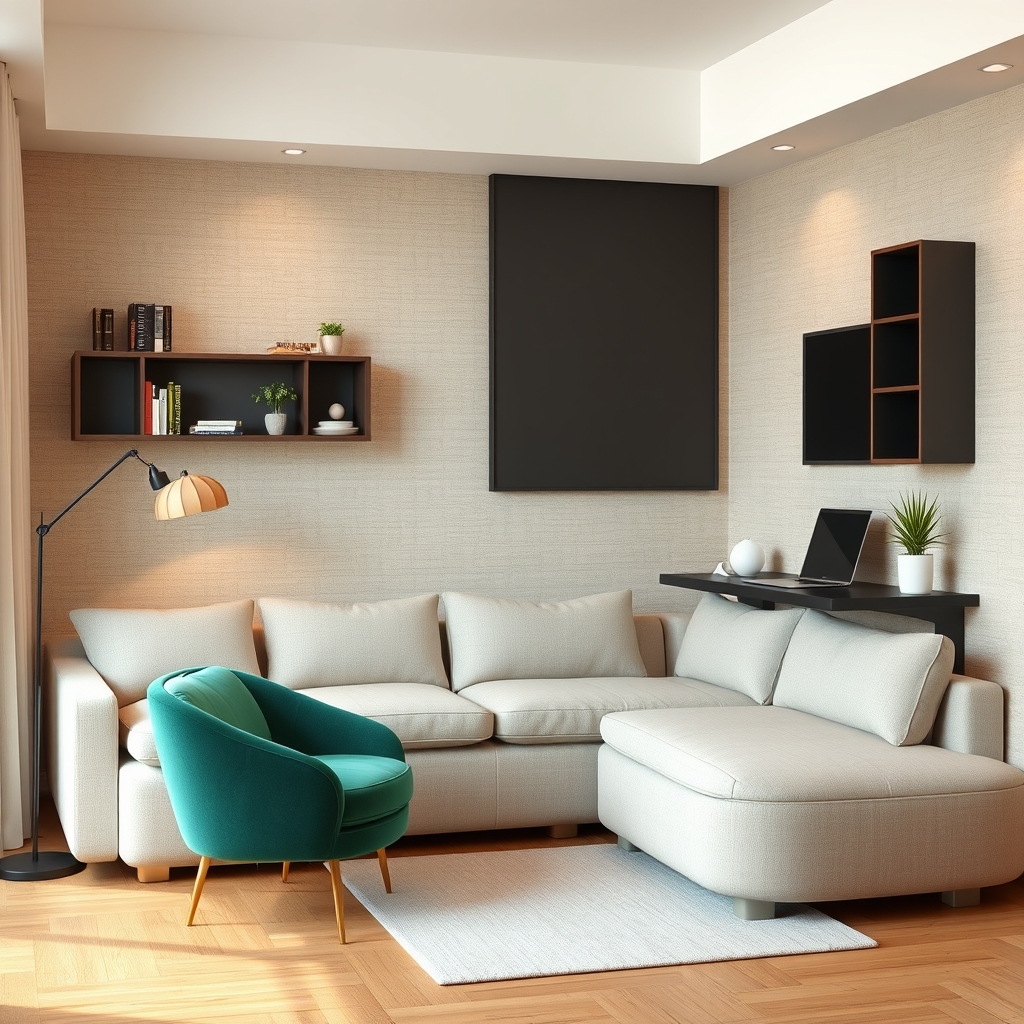
At its core, multi-functional design is rooted in the idea of intentionality. Every piece of furniture, every layout decision, and every material choice is made with purpose. This approach aligns seamlessly with minimalist principles, where less is more, and every item must earn its place. However, unlike traditional minimalism, which can sometimes feel stark or impersonal, modern multi-functional spaces embrace warmth and personality. Think of a living room that transforms into a guest bedroom with a sleek sofa bed, or a home office that doubles as a cozy reading nook with the addition of a plush velvet accent chair and a well-placed floor lamp.
The rise of remote work and hybrid lifestyles has further accelerated this trend. According to a 2023 survey by the National Association of Home Builders, nearly 60% of homebuyers now prioritize flexible spaces that can accommodate work, leisure, and even fitness. This demand has led to innovative solutions like modular furniture, which can be reconfigured in minutes, and built-in storage that keeps clutter at bay while maximizing every inch of available space.
Design Elements That Define Versatility
Creating a multi-functional space requires a thoughtful balance of form and function. One of the most effective strategies is to incorporate furniture that serves multiple roles. For example, a dining table with extendable leaves can host a dinner party for eight but shrink down to a compact console when not in use. Similarly, ottomans with hidden storage can act as seating, a footrest, or even a makeshift coffee table, depending on the need.
Another key element is the use of earthy color palettes, which provide a neutral backdrop that can easily adapt to different functions. Soft beiges, warm terracottas, and muted greens create a calming atmosphere that works equally well in a home office, a meditation corner, or a playroom. These tones are often paired with natural materials like wood, rattan, and linen to enhance the sense of warmth and connection to nature—a nod to biophilic design principles.
Smart Technology for Seamless Transitions
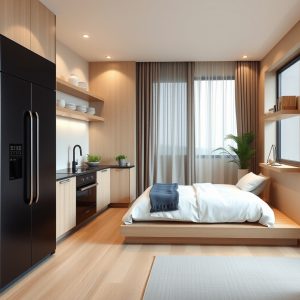
Technology plays a pivotal role in making multi-functional spaces truly adaptable. Smart kitchen technology, for instance, allows homeowners to switch between cooking, dining, and entertaining modes with ease. Induction cooktops that double as countertops, or refrigerators with touchscreen interfaces that display recipes or family calendars, are just a few examples of how innovation is reshaping the way we use our homes. In living areas, motorized room dividers or retractable walls can create privacy when needed, while voice-controlled lighting systems can adjust the ambiance to suit different activities, from movie nights to yoga sessions.
Sustainability as a Guiding Principle
Sustainability is no longer an afterthought in interior design—it’s a driving force. Multi-functional spaces inherently support eco-friendly living by reducing the need for excess furniture and materials. For example, a bed frame with built-in drawers eliminates the need for a separate dresser, while a wall-mounted desk that folds away when not in use saves both space and resources. Designers are also turning to upcycled and vintage furniture to add character to these spaces. A mid-century modern sideboard, for instance, can serve as both a storage unit and a statement piece, while a reupholstered vintage sofa adds a touch of history and charm.
Inspiration from Global Design Movements
Several design movements have influenced the evolution of multi-functional spaces, each bringing its own unique perspective. Japandi style, a fusion of Japanese minimalism and Scandinavian functionality, emphasizes simplicity, natural materials, and a strong connection to the outdoors. This aesthetic is perfect for creating serene, clutter-free environments that can easily transition between uses. For example, a Japandi-inspired bedroom might feature a low platform bed with integrated storage, a tatami-style rug, and sliding shoji screens that can divide the space when needed.
On the other end of the spectrum, Art Deco accents bring a touch of glamour and drama to multi-functional spaces. Geometric patterns, metallic finishes, and bold colors can elevate a room from purely practical to visually striking. A home bar with Art Deco-inspired cabinetry, for instance, can double as a stylish focal point in a living room, while a mirrored vanity with streamlined hardware can add a luxurious touch to a guest bedroom that also serves as a dressing room.
Creating Cozy, Functional Nooks
One of the joys of multi-functional design is the opportunity to carve out intimate, purposeful nooks within larger spaces. A cozy reading corner, for example, can be created with a curved sofa, a floor lamp with a warm glow, and a floating wall shelf to hold books and plants. These small but intentional spaces add layers of functionality without overwhelming the room. Similarly, indoor garden walls can serve as both a decorative element and a natural air purifier, bringing a touch of biophilic design into even the smallest of apartments.
For those who love to entertain, open-concept kitchens that flow seamlessly into living areas are a game-changer. Islands with built-in sinks or cooktops can double as breakfast bars or buffet stations, while statement lighting fixtures—like a cluster of pendant lights or a sculptural chandelier—can define the space and add a wow factor. The key is to choose pieces that are as beautiful as they are practical, ensuring that the room remains inviting and cohesive, no matter how it’s being used.
As our lives continue to evolve, so too will the way we design our homes. Multi-functional spaces are more than just a response to limited square footage—they represent a shift toward mindful, adaptable living. By embracing flexibility, sustainability, and smart design, we can create interiors that not only meet our needs today but also grow with us into the future. Whether it’s a hidden storage solution that keeps clutter at bay or a piece of vintage furniture that tells a story, the best multi-functional spaces are those that feel uniquely ours, blending practicality with personality in perfect harmony.