The Alchemy of Space: Crafting a Home with Curves, Textures, and Timeless Elegance
In the ever-evolving world of interior design, the spaces we inhabit are no longer just about functionality—they are a canvas for self-expression, a sanctuary for the soul, and a testament to the harmony between human creativity and the natural world. The modern home is a carefully curated blend of form and feeling, where every piece of furniture, every splash of color, and every beam of light tells a story. This is the essence of a design philosophy that embraces the fluidity of curves, the richness of textures, and the quiet luxury of understated elegance.
The Rise of the Curved Sofa: Softening Spaces with Organic Lines
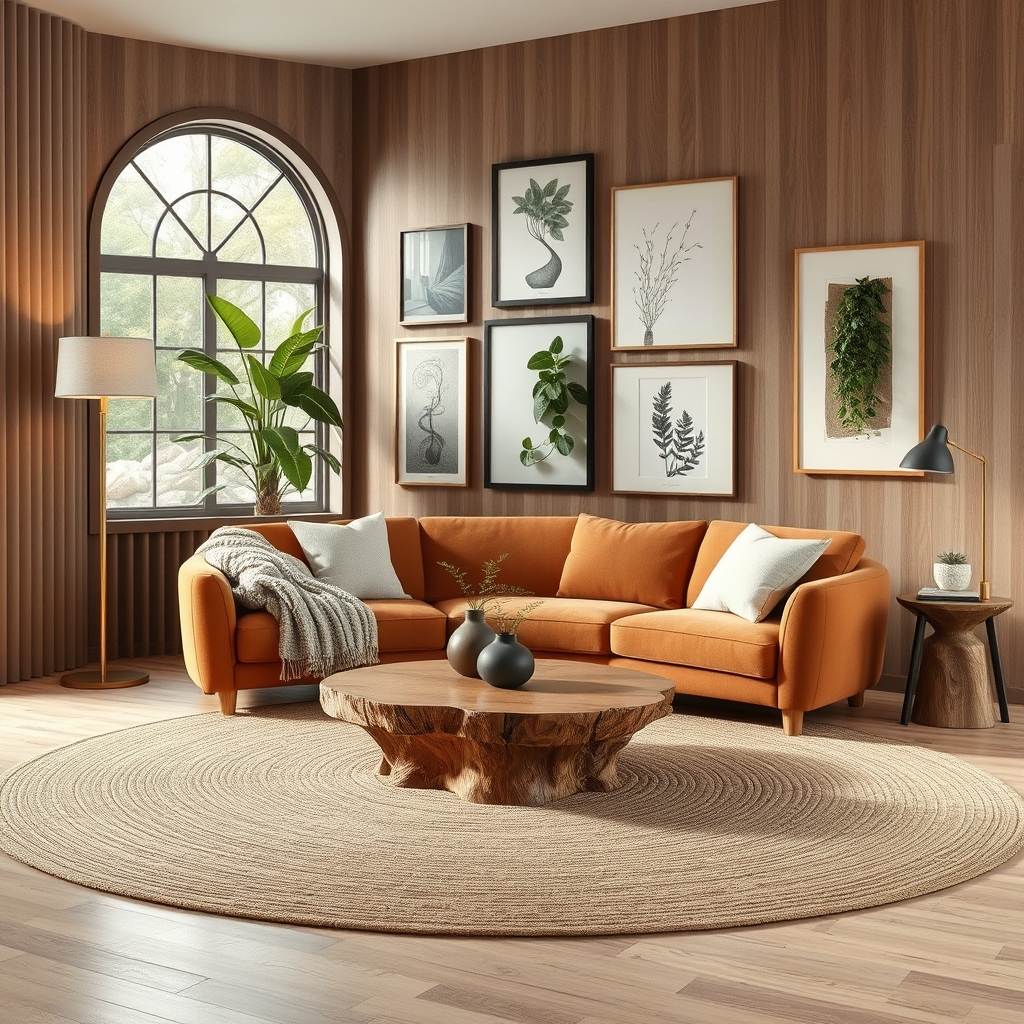
The rigid lines of mid-century modernism have given way to a softer, more organic approach to furniture design, and nowhere is this more evident than in the rising popularity of curved sofas. These pieces are not just a trend; they are a rebellion against the angular, a celebration of the natural contours that define our world. A curved sofa invites conversation, cradles the body, and creates a sense of flow within a room. It’s a statement piece that doesn’t shout—it whispers, drawing you in with its gentle, enveloping form.
Pairing a curved sofa with a round coffee table or a circular rug can amplify this effect, creating a living space that feels cohesive and harmonious. The key is to balance these soft lines with structured elements, like a sleek media console or a geometric light fixture, to keep the room from feeling too whimsical. The result is a space that feels both dynamic and serene, a perfect marriage of movement and stillness.
Textured Wall Coverings: Adding Depth and Dimension
Walls are no longer just a backdrop; they are an opportunity to infuse personality and depth into a room. Textured wall coverings—whether it’s the subtle grain of grasscloth, the three-dimensional allure of fluted panels, or the rustic charm of reclaimed wood—can transform a flat surface into a tactile experience. These materials add warmth, absorb sound, and create a sense of intimacy, making a room feel lived-in and loved.
For those who crave a touch of drama, consider a feature wall with bold, textured wallpaper. Think deep, earthy tones like terracotta, olive green, or warm ochre, paired with metallic accents for a touch of glamour. Alternatively, fluted wall panels in matte black or natural wood can add a modern edge while maintaining a sense of sophistication. The beauty of textured walls lies in their versatility—they can be as understated or as bold as you dare.
Biophilic Design: Bringing the Outdoors In
At the heart of many modern design trends is a deep-seated desire to reconnect with nature. Biophilic design is more than just adding a few plants to a room; it’s about creating an environment that nurtures our innate connection to the natural world. This can be achieved through the use of natural materials like stone, wood, and linen, as well as through the incorporation of organic shapes and patterns that mimic the outdoors.
Indoor plant styling is a cornerstone of biophilic design, but it’s not just about scattering a few succulents on a shelf. Consider creating a living wall with a variety of plants, or placing a large fiddle-leaf fig in a corner to draw the eye upward. The key is to choose plants that thrive in your space and complement the overall aesthetic of the room. For a more subtle approach, incorporate nature-inspired patterns in textiles, like leaf motifs on throw pillows or a botanical print on curtains.
Smart Lighting: Illuminating Spaces with Intention
Lighting is one of the most powerful tools in interior design, capable of transforming the mood and functionality of a space with the flick of a switch. Smart lighting control takes this a step further, allowing you to tailor the ambiance of your home to your needs and preferences. Imagine dimming the lights for a cozy movie night with a voice command, or setting a schedule that gradually brightens your bedroom as you wake up—these are the possibilities of smart lighting.
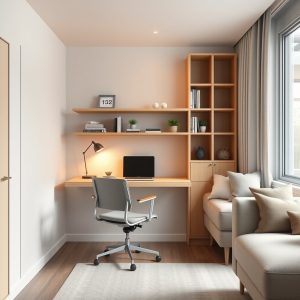
Layered lighting is essential for creating a dynamic and inviting space. Start with ambient lighting, like a statement chandelier or recessed ceiling lights, to provide overall illumination. Then, add task lighting, such as a desk lamp or under-cabinet lights in the kitchen, to enhance functionality. Finally, incorporate accent lighting, like wall sconces or LED strips, to highlight architectural features or artwork. The result is a space that feels warm, welcoming, and effortlessly stylish.
Hidden Storage: The Art of Concealing Clutter
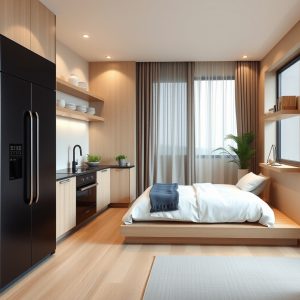
In a world where minimalism and maximalism coexist, the need for clever storage solutions has never been greater. Hidden kitchen storage, for example, can transform a cluttered space into a sleek, functional haven. Think pull-out pantry shelves, concealed appliance garages, and drawer dividers that keep utensils organized and out of sight. These solutions not only maximize space but also create a sense of order and tranquility.
Beyond the kitchen, consider multi-functional furniture that doubles as storage. A bench with built-in compartments, a coffee table with hidden drawers, or a bed frame with under-bed storage can help keep your home tidy without sacrificing style. The goal is to create a space that feels open and airy, where every item has its place and clutter is a thing of the past.
Vintage Aesthetic Accents: Timeless Charm in a Modern World
There’s something undeniably captivating about vintage aesthetic accents—they add character, history, and a sense of nostalgia to a space. Whether it’s a mid-century modern armchair, a vintage rug, or a collection of antique books, these pieces tell a story and create a sense of depth in a room. The key is to balance vintage elements with modern touches, ensuring that the space feels curated rather than cluttered.
For a subtle nod to the past, consider incorporating vintage-inspired lighting, like a brass pendant lamp or a wrought-iron chandelier. Alternatively, mix and match eras by pairing a sleek, contemporary sofa with a vintage coffee table or an antique mirror. The contrast between old and new creates a dynamic, visually interesting space that feels both timeless and fresh.
Designing a home is an alchemy of sorts—a delicate balance of elements that come together to create something greater than the sum of its parts. It’s about more than just following trends; it’s about crafting a space that reflects who you are and how you want to live. Whether you’re drawn to the soft curves of a modern sofa, the tactile allure of textured walls, or the timeless charm of vintage accents, the key is to create a home that feels authentic, inviting, and uniquely yours. In the end, the most beautiful spaces are those that tell a story—not just of design, but of the people who inhabit them.