The Art of Organic Modernism: Crafting a Home That Breathes with Nature and Functionality
In the ever-evolving world of interior design, the fusion of organic modernism with sustainable practices has emerged as a beacon for those seeking to create spaces that are not only aesthetically pleasing but also deeply connected to the natural world. This design philosophy transcends mere trends, offering a timeless approach that harmonizes clean lines, earthy color palettes, and biophilic elements to craft living spaces that feel both contemporary and grounded. Whether you’re redesigning your living room, kitchen, or study, embracing organic modernism can transform your home into a sanctuary of tranquility and purpose.
The Foundation: Earthy Color Palettes and Natural Materials
At the heart of organic modernism lies a commitment to earthy color palettes that evoke the serenity of nature. Think warm terracottas, soft olives, deep umbers, and muted ochres—shades that create a sense of calm while adding depth and richness to a space. These hues are often paired with natural materials like reclaimed wood, linen, jute, and stone, which bring texture and authenticity to the design. The result is a room that feels inviting yet refined, where every element tells a story of sustainability and craftsmanship.
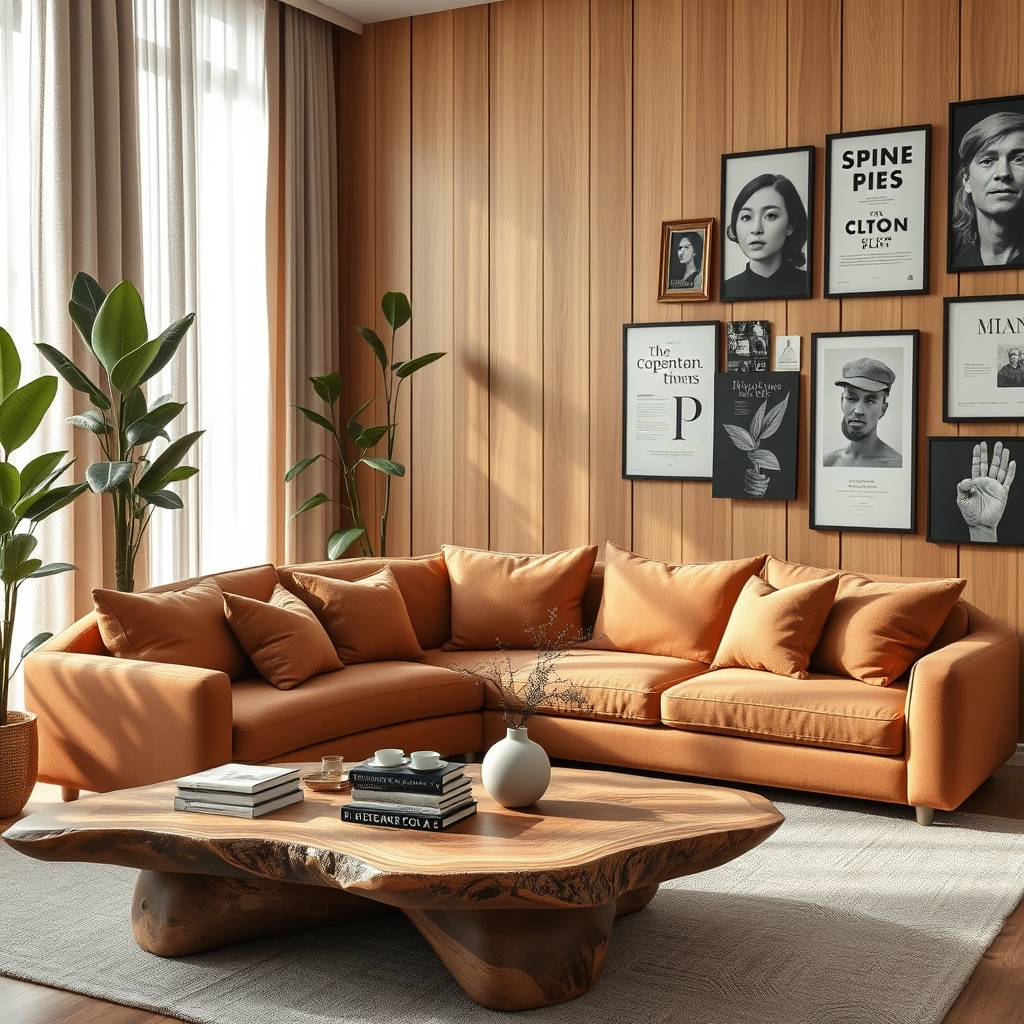
Incorporating these materials doesn’t mean sacrificing modernity. On the contrary, the juxtaposition of raw, natural elements with sleek, matte black fittings or fluted wall panels can create a striking contrast that defines the organic modern aesthetic. For instance, a living room featuring a curved sofa in a soft, earthy tone can be elevated with a backdrop of fluted wood panels, adding both visual interest and a tactile experience that engages the senses.
Biophilic Design: Bringing the Outdoors In
Biophilic interior design is more than just a trend—it’s a philosophy that recognizes the innate human need to connect with nature. By integrating natural elements into your home, you can enhance well-being, reduce stress, and create a space that feels alive. Indoor plant styling is one of the most accessible ways to embrace biophilia. From cascading pothos to sculptural fiddle-leaf figs, plants add life, color, and a sense of vitality to any room. They also improve air quality, making your home healthier as well as more beautiful.
But biophilic design goes beyond plants. Consider incorporating water features, such as a small indoor fountain or a tabletop Zen garden, to introduce the soothing sound of flowing water. Natural light is another critical component; large windows, skylights, or even strategically placed mirrors can amplify daylight, creating a brighter, more energizing environment. For those who love the idea of a cozy reading corner, positioning a plush armchair near a window with a view of greenery can turn a simple nook into a retreat for relaxation and reflection.
Multi-Functional Furniture: The Key to Smart Living
In today’s fast-paced world, homes must adapt to our ever-changing needs. Multi-functional furniture is a cornerstone of organic modernism, offering solutions that maximize space without compromising on style. A modular sofa with built-in storage, for example, can serve as both a seating area and a place to stash blankets or books. Similarly, a dining table that extends to accommodate guests or folds away when not in use can make even the smallest of spaces feel versatile and functional.
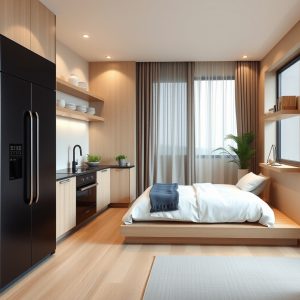
Hidden kitchen storage is another game-changer for modern living. Pull-out pantry shelves, under-counter drawers, and wall-mounted racks can keep clutter at bay while maintaining the clean, uncluttered look that defines organic modernism. In the bathroom, luxury wet rooms with built-in niches for toiletries and recessed shelving can create a spa-like atmosphere that feels both indulgent and practical.
Lighting: Setting the Mood with Smart Control
Lighting plays a pivotal role in shaping the ambiance of a space, and smart lighting control systems allow you to tailor the atmosphere to your mood or the time of day. Warm, dimmable lights can create a cozy, intimate setting in the evening, while brighter, cooler tones can energize a space during the day. Smart bulbs and fixtures can be programmed to adjust automatically, syncing with your daily routine to enhance both comfort and energy efficiency.
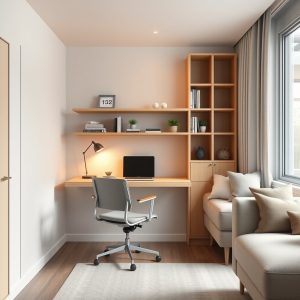
For a touch of drama, consider statement lighting fixtures that double as works of art. A sculptural pendant light in a matte black finish or a cluster of organic-shaped bulbs can serve as a focal point in a room, drawing the eye upward and adding a layer of visual interest. In a dark academy study, a vintage-inspired desk lamp with adjustable brightness can provide task lighting while contributing to the room’s moody, intellectual aesthetic.
Textured Wall Coverings and Statement Backsplashes
Walls are a blank canvas waiting to be transformed, and textured wall coverings offer a unique way to add depth and character to a space. Grasscloth, linen, or even 3D-printed panels can create a tactile experience that engages both sight and touch. These materials not only enhance the organic feel of a room but also provide acoustic benefits, making your home quieter and more comfortable.
In the kitchen, a statement backsplash can serve as a bold focal point. Whether you opt for hand-painted tiles in earthy tones, a mosaic of recycled glass, or a sleek slab of natural stone, a well-chosen backsplash can tie together the entire room. Pair it with matte black fittings for a modern edge, or choose brass or copper for a touch of vintage warmth. The key is to select materials that resonate with the overall design while adding a layer of personality and flair.
Curated Spaces: From Maximalist Gallery Walls to Cozy Nooks
Organic modernism isn’t about minimalism for the sake of it—it’s about curating spaces that reflect your personality and lifestyle. A maximalist gallery wall, for example, can be a celebration of art, travel, and memories. Mix framed prints, vintage posters, and family photos with sculptural objects like driftwood or ceramic pieces to create a display that feels dynamic and deeply personal. The earthy color palette will ensure that even the most eclectic collection feels cohesive and intentional.
For those who crave a more subdued approach, a cozy reading corner with a plush armchair, a soft throw, and a stack of beloved books can be a sanctuary within your home. Add a small side table with a stack of design magazines or a vase of fresh flowers to complete the look. The goal is to create a space that invites you to slow down, unwind, and reconnect with yourself.
As you embark on your journey to embrace organic modernism, remember that the most beautiful homes are those that evolve with you. They are spaces that not only reflect your aesthetic preferences but also support your well-being and lifestyle. By blending natural materials, sustainable practices, and thoughtful design, you can create a home that feels like a living, breathing extension of the world outside—a place where every detail is intentional, and every moment is an opportunity to connect with what truly matters.