Open Concept Kitchens: Where Functionality Meets Fluid Living in Modern Homes
In the ever-evolving landscape of modern interior design, few trends have reshaped the way we live as profoundly as the open concept kitchen. Once confined to the back of the house, kitchens have emerged as the heart of the home—a space where culinary creativity, social connection, and everyday living seamlessly intertwine. This shift reflects a broader cultural movement toward fluidity, transparency, and intentional living, where boundaries between spaces dissolve to foster a sense of togetherness and efficiency.
The Philosophy Behind Open Concept Kitchens
At its core, the open concept kitchen is more than just an architectural choice; it’s a lifestyle statement. The design philosophy prioritizes visibility, accessibility, and interaction, breaking down the walls—both literal and metaphorical—that once separated cooking from living. This approach aligns perfectly with the principles of minimalist living rooms and multi-functional spaces, where every element serves a purpose while contributing to an uncluttered, harmonious environment.
For families, the open kitchen becomes a natural gathering spot, where parents can prepare meals while keeping an eye on children playing in the adjacent living area. For entertainers, it transforms into a stage where hosts can engage with guests without feeling isolated behind a counter. The design also caters to the growing trend of sustainable interior design, as it often incorporates energy-efficient appliances, natural lighting, and materials that reduce environmental impact without sacrificing style.
Designing for Flow and Functionality
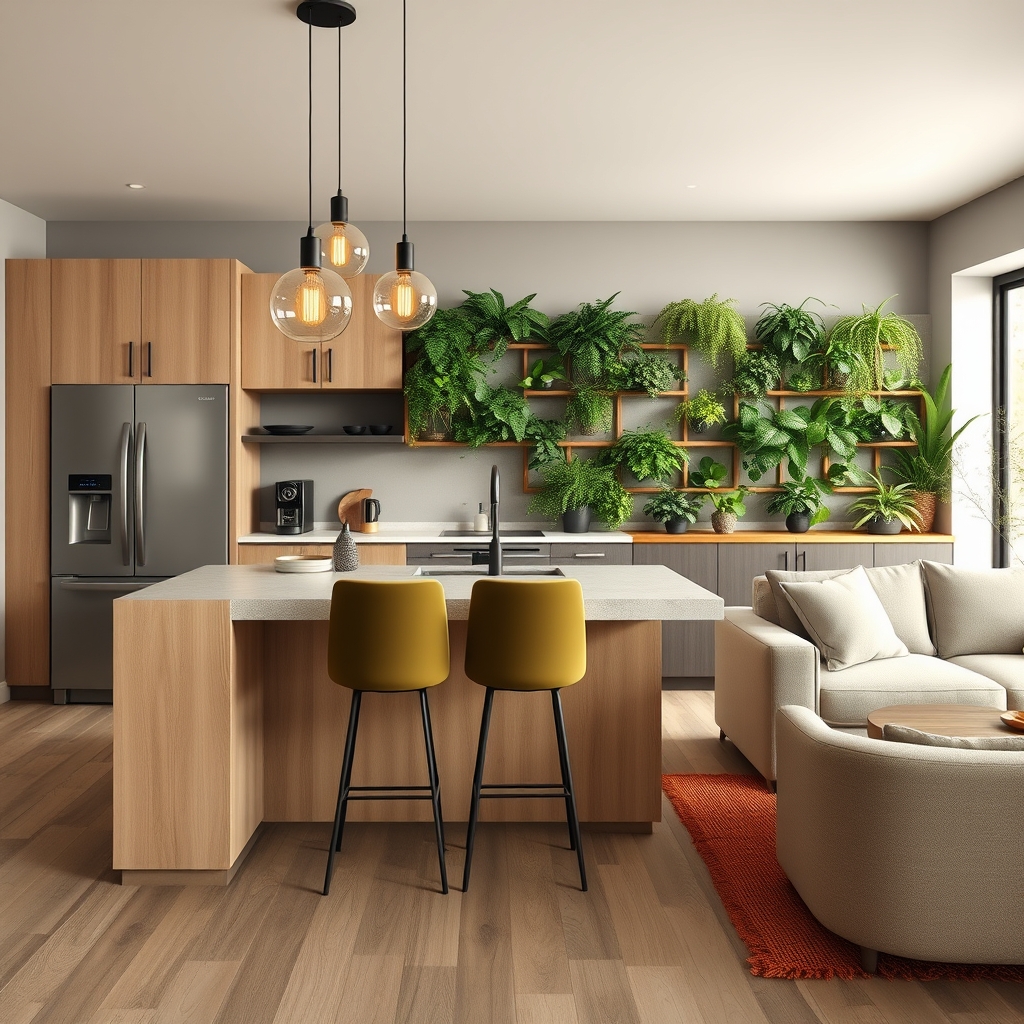
Creating an open concept kitchen that feels cohesive rather than chaotic requires careful planning. The key lies in balancing aesthetics with practicality, ensuring the space remains both beautiful and highly functional. Start by defining zones within the open layout—cooking, dining, and lounging areas should feel distinct yet connected. A large island or peninsula can serve as a natural divider, offering additional counter space, storage, and seating while maintaining an airy feel.
Material selection plays a crucial role in tying the space together. Opt for cohesive earthy color palettes that ground the design, such as warm wood tones, soft neutrals, or muted greens and blues. These hues not only create a calming atmosphere but also complement biophilic home decor elements like indoor plants or natural stone countertops. For a touch of modern elegance, incorporate matte black hardware or statement lighting fixtures to add contrast and visual interest without overwhelming the space.
Smart Technology for the Modern Kitchen
No discussion of open concept kitchens would be complete without addressing the role of smart kitchen technology. Today’s kitchens are smarter than ever, with appliances designed to streamline tasks and enhance convenience. Voice-activated faucets, touchless trash cans, and Wi-Fi-enabled ovens are just a few examples of how technology is transforming the culinary experience. These innovations not only save time but also align with sustainable practices by reducing water and energy waste.
For those who love to entertain, smart refrigerators with built-in screens can display recipes, play music, or even mirror your living room TV, ensuring you never miss a moment of the game while cooking. Integrated charging stations and hidden outlets keep countertops clutter-free, reinforcing the minimalist ethos of the space. When paired with hidden storage solutions, these technologies help maintain the clean lines and uncluttered look that define modern open kitchens.
Blending Styles for a Personal Touch
While open concept kitchens often lean toward contemporary or minimalist aesthetics, there’s ample room to infuse personal style. The Japandi style bedroom philosophy—with its emphasis on simplicity, natural materials, and functional beauty—can inspire a kitchen that feels serene and timeless. Think light wood cabinetry, sleek countertops, and subtle textures like linen or rattan for a look that’s both modern and warm.
For those drawn to vintage charm, the vintage furniture revival trend offers a way to incorporate character into the space. A reclaimed wood dining table, a retro-inspired range hood, or a collection of antique glassware displayed on floating wall shelves can add layers of history and personality. Meanwhile, Art Deco accents—such as geometric patterns or metallic finishes—can introduce a touch of glamour and sophistication, especially when paired with velvet accent chairs or a bold, curved island.
Creating a Space That Feels Like Home
The true magic of an open concept kitchen lies in its ability to adapt to the rhythms of daily life. It’s a space that evolves with you, whether you’re hosting a lively dinner party, enjoying a quiet morning coffee, or helping your kids with homework at the island. To make it feel truly inviting, consider adding elements that engage the senses—soft textiles like a plush rug or woven throw, the gentle hum of a indoor garden wall filtering the air, or the warm glow of pendant lights casting a cozy ambiance.
Ultimately, the open concept kitchen is a celebration of modern living, where form and function coexist in perfect harmony. It’s a reminder that our homes should not only reflect our aesthetic preferences but also support the way we live, work, and connect with one another. As we continue to redefine what it means to create a home, this design approach stands as a testament to the beauty of simplicity, the power of intentionality, and the joy of shared spaces.