The Renaissance of Vintage Furniture: How Timeless Pieces Elevate Modern Multi-Functional Spaces
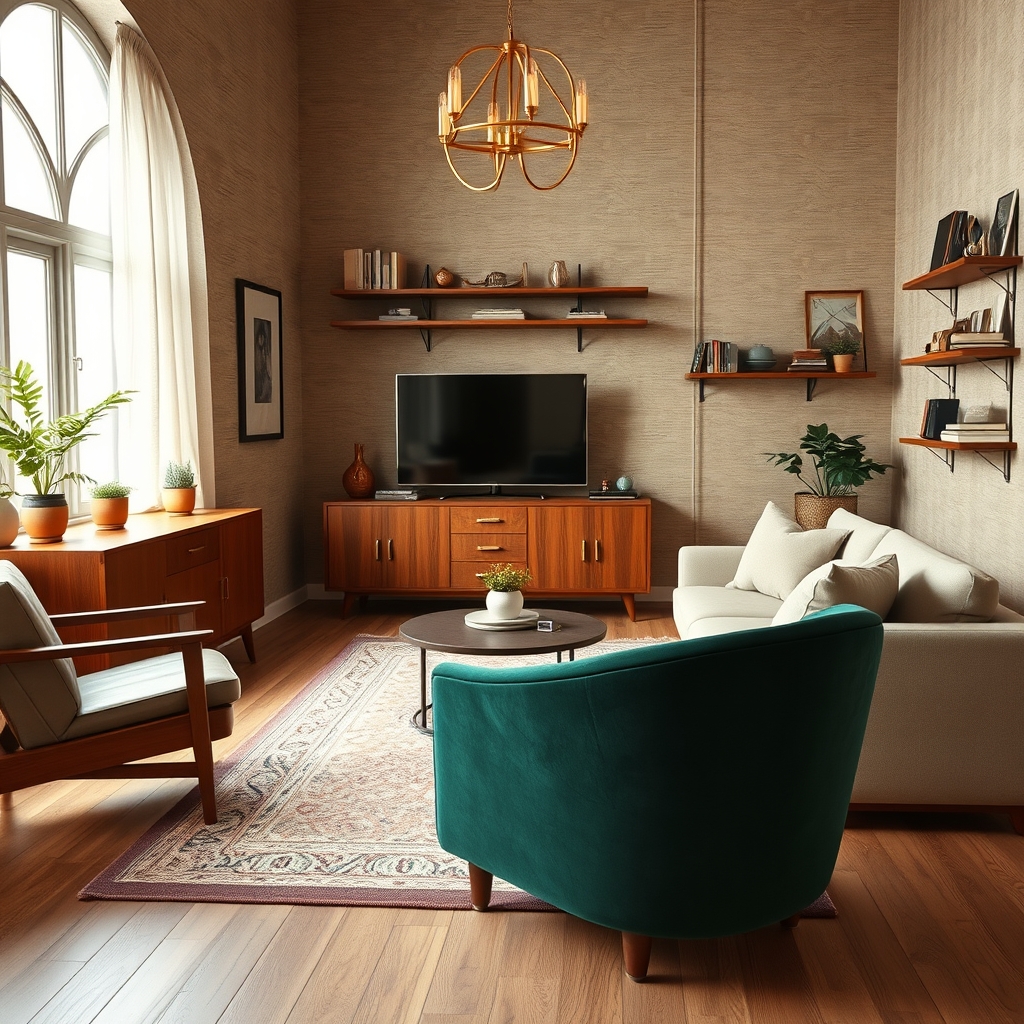
In an era where minimalism and functionality dominate interior design trends, there’s a quiet revolution happening—one that celebrates the past while seamlessly integrating it into contemporary living. The revival of vintage furniture is more than just a nod to nostalgia; it’s a thoughtful response to the growing demand for sustainable, character-rich, and multi-functional spaces. Whether it’s a mid-century modern credenza repurposed as a media console or a Victorian-era armchair reupholstered in a bold velvet fabric, vintage pieces bring warmth, history, and a sense of individuality to modern homes.
The Sustainability Factor: Why Vintage is the Ultimate Eco-Choice
Sustainable interior design has moved from a niche interest to a mainstream priority, and vintage furniture is at the forefront of this movement. The environmental impact of fast furniture—mass-produced, disposable pieces made from particleboard and synthetic materials—is staggering. According to the Environmental Protection Agency, over 12 million tons of furniture waste end up in landfills annually in the U.S. alone. By choosing vintage, homeowners not only reduce waste but also avoid the carbon footprint associated with manufacturing new items.
Vintage furniture is often crafted from solid wood, high-quality metals, and natural fabrics, materials that stand the test of time. A well-made 1950s teak sideboard, for example, can last decades longer than its modern, flat-pack counterpart. Additionally, restoring or upcycling vintage pieces—whether through refinishing, reupholstering, or repurposing—extends their lifespan and keeps them out of the waste stream. This approach aligns perfectly with the principles of circular design, where the goal is to create a closed-loop system that minimizes waste and maximizes resource efficiency.
Blending Old and New: The Art of Eclectic Harmony
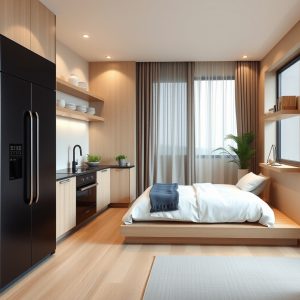
One of the biggest misconceptions about vintage furniture is that it can make a space feel dated or cluttered. However, when thoughtfully integrated into modern interiors, these pieces can create a layered, eclectic aesthetic that feels both timeless and fresh. The key lies in balance and intentionality. Pairing a sleek, curved sofa with a vintage leather armchair, for instance, can strike a perfect harmony between contemporary and classic. Similarly, juxtaposing a minimalist Japandi-style bedroom with a statement Art Deco mirror or a velvet accent chair adds depth and personality without overwhelming the space.
Color plays a crucial role in bridging the gap between old and new. Earthy color palettes—think warm terracottas, muted olives, and soft ochres—complement the patina of vintage wood and metal, while also grounding modern elements. For those who prefer a more neutral backdrop, matte black hardware and floating wall shelves can provide a sleek contrast to the organic textures of vintage pieces. The result is a space that feels curated, not chaotic, where each item tells a story without competing for attention.
Multi-Functional Magic: Vintage Pieces for Modern Living
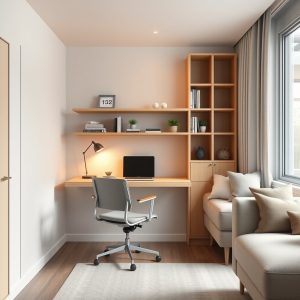
In today’s homes, where square footage is often at a premium, multi-functional spaces are a necessity. Vintage furniture, with its inherent craftsmanship and versatility, is uniquely suited to meet this demand. A vintage trunk, for example, can serve as both a coffee table and hidden storage solution, while a mid-century sideboard can double as a dining buffet and a home office storage unit. Even smaller pieces, like a vintage ladder repurposed as a blanket rack or a retro suitcase used as a side table, add functionality without sacrificing style.
Open-concept kitchens and living areas benefit particularly from the inclusion of vintage furniture. A large, solid-wood farmhouse table can anchor a dining space while also serving as a workspace or a gathering spot for family activities. Similarly, a vintage bar cart can be rolled into the living room for entertaining or tucked away in a corner as a decorative accent. These pieces not only maximize utility but also infuse spaces with a sense of history and charm that new furniture often lacks.
Statement Pieces: How Vintage Furniture Becomes the Focal Point
Every room needs a focal point, and vintage furniture is an excellent way to create one. A bold, velvet accent chair in a rich jewel tone can become the centerpiece of a living room, drawing the eye and sparking conversation. Similarly, a statement lighting fixture—like a 1970s brass chandelier or a vintage industrial pendant—can elevate a space from ordinary to extraordinary. These pieces don’t just fill a room; they define it, adding layers of texture, color, and personality.
For those who love the drama of Art Deco, incorporating vintage pieces like a geometric mirror, a lacquered side table, or a sunburst clock can instantly transform a space. Even in a minimalist setting, a single Art Deco accent can create a striking contrast, proving that vintage furniture doesn’t have to dominate a room to make an impact. The key is to choose pieces that resonate with your personal style and let them shine against a more subdued backdrop.
The Future of Vintage: Trends to Watch
As the demand for sustainable and unique interiors grows, so does the appreciation for vintage furniture. One emerging trend is the fusion of vintage and biophilic design, where natural materials like rattan, wicker, and reclaimed wood are paired with indoor garden walls and earthy color palettes. This approach creates spaces that feel both grounded and alive, where the past and present coexist in harmony.
Another trend is the rise of “vintage-inspired” new furniture, where modern brands draw from classic designs to create pieces that capture the essence of vintage without the wear and tear. While these items can be a great option for those who want the look without the commitment, there’s something irreplaceable about the authenticity of a true vintage find. The imperfections, the history, and the craftsmanship of a well-loved piece add a depth that mass-produced items simply can’t replicate.
Vintage furniture is more than just a trend; it’s a testament to the enduring power of good design. In a world where disposable culture often reigns, choosing vintage is a small but meaningful act of rebellion—one that values quality over quantity, history over homogeneity, and sustainability over convenience. Whether you’re furnishing a cozy reading nook, a multi-functional living room, or a statement-making bedroom, vintage pieces offer a way to create a home that is uniquely yours, one that tells your story as much as it reflects your style. The beauty of vintage lies not just in its aesthetic appeal, but in its ability to connect us to the past while grounding us in the present, reminding us that some things only get better with time.