
Tankless Water Heaters: The Future of Endless Hot Water and Energy Savings
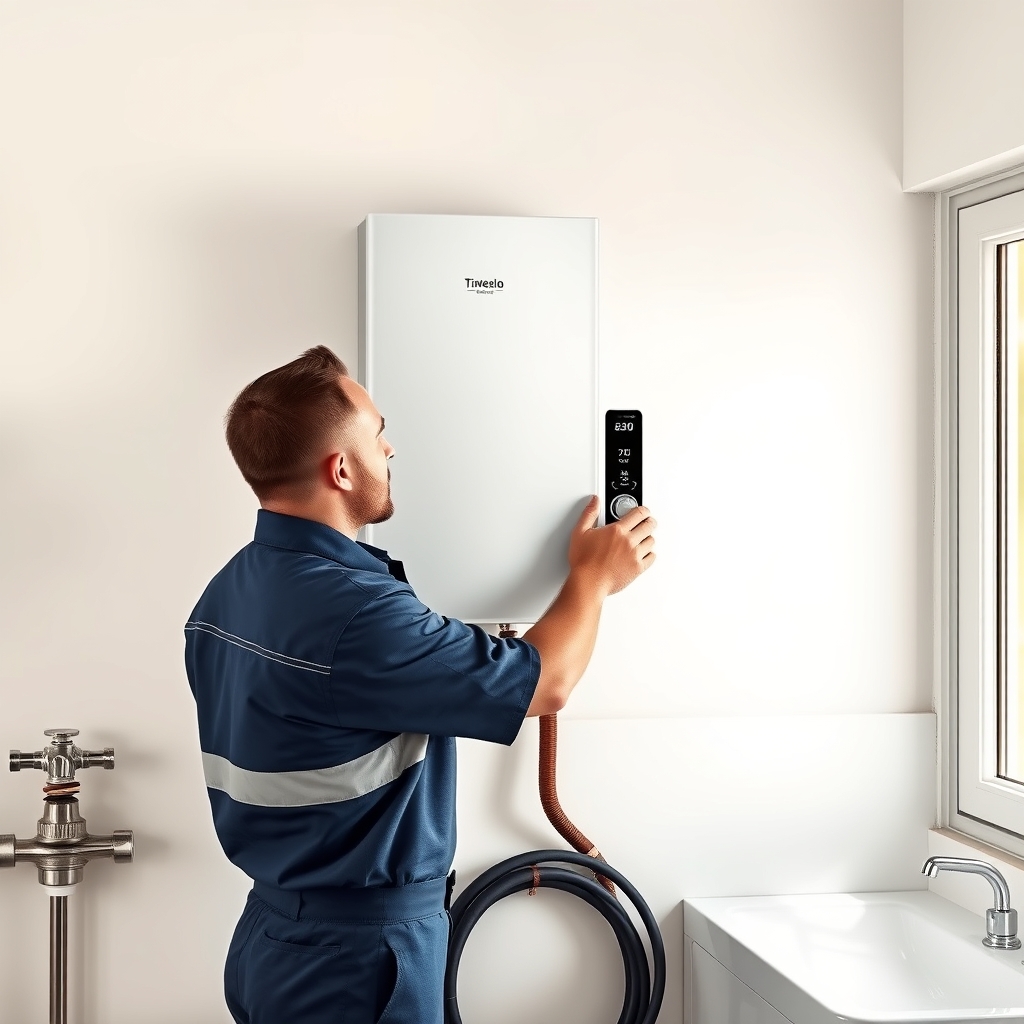
Imagine stepping into a shower that never runs out of hot water, no matter how long you linger under the steam. Picture a water heater that takes up less space, slashes your energy bills, and lasts nearly twice as long as traditional models. This isn’t a glimpse into a futuristic home—it’s the reality of upgrading to a tankless water heater. As homeowners increasingly prioritize efficiency, sustainability, and convenience, tankless water heaters have emerged as a game-changing solution for modern living.
The Science Behind Tankless Water Heaters
Unlike conventional water heaters that store and continuously heat a large tank of water, tankless systems—also known as on-demand water heaters—heat water only when you need it. When you turn on a hot water tap, cold water travels through a pipe into the unit, where either a gas burner or an electric element heats it instantly. This eliminates the standby energy losses associated with traditional tanks, where water is kept hot 24/7, even when you’re not using it.
The technology behind tankless water heaters is rooted in efficiency. Most models boast an energy factor (EF) of 0.82 or higher, meaning 82% or more of the energy consumed goes directly into heating water. In comparison, standard tank heaters typically have an EF of around 0.60. This efficiency translates into tangible savings on utility bills, often reducing water heating costs by 24% to 34% for households that use 41 gallons or less of hot water daily, according to the U.S. Department of Energy.
Key Benefits That Go Beyond the Basics
Endless Hot Water Supply
One of the most compelling advantages of tankless water heaters is their ability to provide a continuous flow of hot water. No more scheduling showers or worrying about running out of hot water during back-to-back laundry loads. Tankless systems deliver hot water on demand, making them ideal for large families or homes with high hot water usage. However, it’s important to note that the flow rate is limited by the unit’s capacity. For example, a single tankless heater may struggle to supply hot water to multiple fixtures simultaneously, such as a shower and a dishwasher. In such cases, installing multiple units or a larger model can resolve the issue.
Space-Saving Design
Traditional water heaters are bulky, often occupying a significant amount of space in basements, closets, or garages. Tankless water heaters, on the other hand, are compact and can be mounted on walls, freeing up valuable square footage. This makes them an excellent choice for smaller homes, apartments, or even tiny houses where space is at a premium. Some models are small enough to fit inside a cabinet or under a sink, offering unparalleled flexibility in installation.
Longer Lifespan and Reduced Maintenance
Tankless water heaters are built to last. While conventional tank heaters typically last 10 to 15 years, tankless models can endure for 20 years or more with proper maintenance. This longevity is partly due to their design, which eliminates the risk of tank corrosion and leaks—a common issue with traditional water heaters. Additionally, tankless systems require less frequent maintenance. Flushing the unit annually to remove mineral buildup is often the only upkeep needed, compared to the more extensive maintenance required for tank-based systems.
Environmental and Financial Savings
For eco-conscious homeowners, tankless water heaters offer a greener alternative. By reducing energy consumption, they lower greenhouse gas emissions, especially when paired with renewable energy sources like solar power. The financial savings are equally impressive. While the upfront cost of a tankless water heater is higher than that of a traditional model—ranging from $1,000 to $3,000 for the unit and installation—the long-term savings on energy bills can offset the initial investment within a few years. Many utility companies also offer rebates for installing energy-efficient appliances, further reducing the cost.
Is a Tankless Water Heater Right for Your Home?
Before making the switch, it’s essential to evaluate whether a tankless water heater aligns with your household’s needs. Start by assessing your hot water usage. If your home has high demand—such as multiple bathrooms, a large kitchen, or a hot tub—a single tankless unit may not suffice. In such cases, you might need to install multiple units or opt for a larger model with a higher flow rate.
Next, consider your home’s existing infrastructure. Tankless water heaters require a significant amount of power to heat water instantly. Electric models may necessitate upgrading your home’s electrical panel to accommodate the higher amperage, while gas models require proper ventilation and a gas line with adequate pressure. Consulting with a licensed plumber or HVAC professional can help you determine the feasibility of installation and identify any potential challenges.
Finally, think about your long-term plans. If you’re planning to stay in your home for several years, the energy savings and extended lifespan of a tankless water heater make it a worthwhile investment. However, if you’re likely to move in the near future, the upfront cost may not be justified unless you’re targeting energy-efficient upgrades to boost your home’s resale value.
Installation and What to Expect
Installing a tankless water heater is not a DIY project. It requires specialized knowledge of plumbing, electrical, and gas systems, making it a job best left to professionals. The installation process typically involves the following steps:
1. Choosing the Right Model
Selecting the appropriate tankless water heater depends on your home’s hot water demand, fuel type (gas or electric), and climate. A professional can perform a load calculation to determine the ideal size and capacity for your needs. For example, colder climates may require a unit with a higher temperature rise capability to ensure hot water is delivered at the desired temperature.
2. Preparing the Installation Site
The installation site must meet specific requirements. Gas models need proper ventilation to expel exhaust gases, while electric models require adequate electrical capacity. The unit should be installed in a location that allows for easy access to water lines, power sources, and ventilation systems. In some cases, this may involve relocating the water heater to a more suitable spot in your home.
3. Removing the Old Water Heater
If you’re replacing an existing water heater, the old unit will need to be safely disconnected and removed. This involves shutting off the water supply, draining the tank, and disconnecting the power or gas line. Proper disposal of the old unit is also necessary, as many areas have specific regulations for recycling or disposing of water heaters.
4. Installing the New Unit
The new tankless water heater is mounted on the wall, and the necessary connections are made. For gas models, this includes installing a new gas line or modifying the existing one, as well as setting up the ventilation system. Electric models require wiring the unit to the electrical panel. Once the connections are secure, the water lines are attached, and the system is tested for leaks and proper operation.
5. Testing and Calibration
After installation, the system is tested to ensure it’s functioning correctly. This includes checking for leaks, verifying the water temperature, and calibrating the unit to meet your hot water needs. The installer will also provide instructions on how to operate and maintain the new water heater, including how to flush the system to prevent mineral buildup.
Upgrading to a tankless water heater is more than just a home improvement project—it’s a step toward a more efficient, sustainable, and convenient lifestyle. The initial effort and investment pay off in the form of lower energy bills, endless hot water, and the peace of mind that comes with a durable, long-lasting system. As technology continues to advance, tankless water heaters are becoming an increasingly accessible and attractive option for homeowners looking to modernize their spaces without compromising on comfort or performance. Whether you’re building a new home or upgrading an existing one, the shift to tankless is a decision that delivers benefits for years to come, proving that sometimes, the best upgrades are the ones that work silently behind the scenes to make everyday life a little easier.