The Intersection of Nature and Modernity: How Biophilic Design and Smart Technology Create Harmonious Homes
In an era where urban living often disconnects us from the natural world, the concept of biophilic design has emerged as a powerful antidote. This approach to interior design seeks to integrate natural elements into our living spaces, fostering a sense of well-being and tranquility. When combined with the latest advancements in smart home technology, biophilic design transcends mere aesthetics, creating environments that are not only visually stunning but also intuitively responsive to our needs.
The Foundations of Biophilic Design
Biophilic design is rooted in the idea that humans possess an innate connection to nature, a bond that significantly impacts our mental and physical health. This design philosophy incorporates natural materials, patterns, and processes into the built environment. Think of the calming effect of a lush indoor garden wall or the warmth exuded by wooden furniture with earthy tones. These elements do more than just beautify a space; they evoke a sense of calm and grounding, which is essential in today’s fast-paced world.
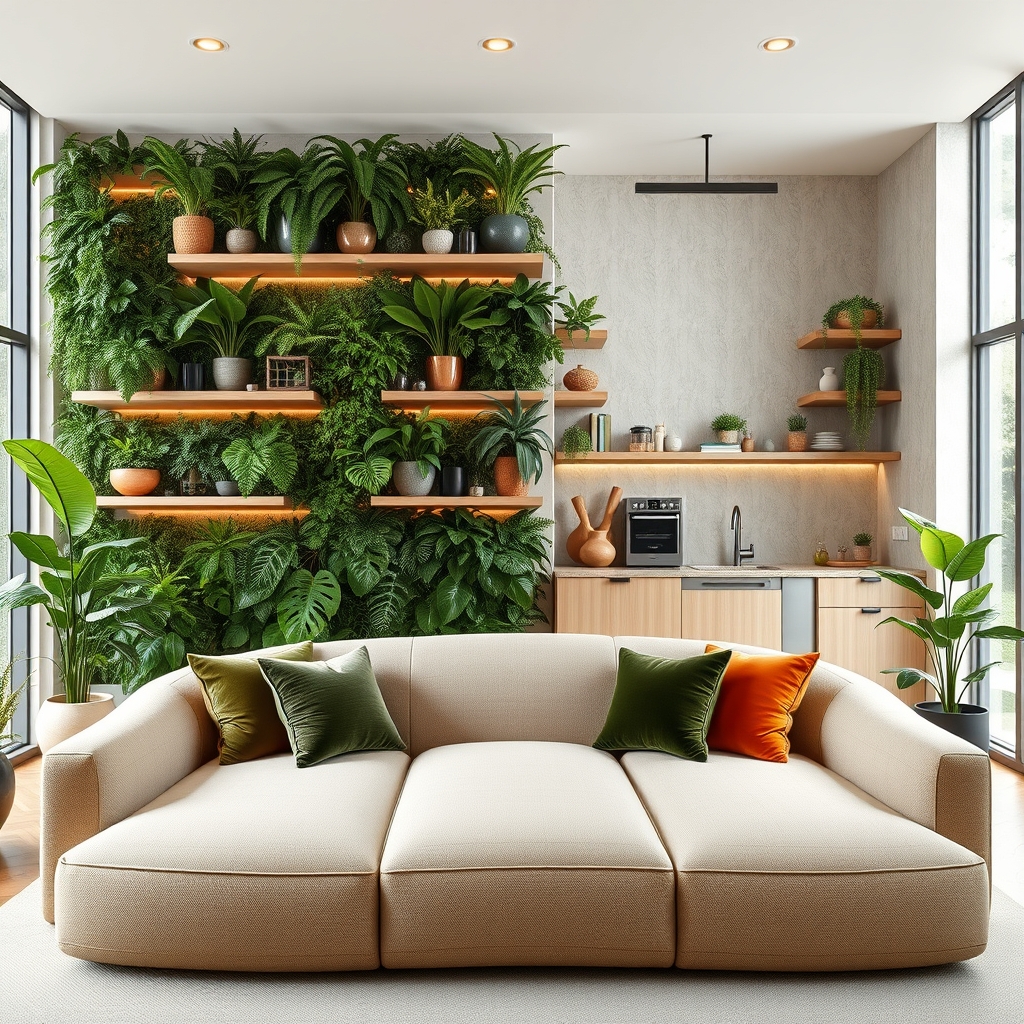
One of the most compelling aspects of biophilic design is its versatility. It can be seamlessly integrated into various styles, from minimalist living rooms to Japandi-style bedrooms. For instance, a living room adorned with floating wall shelves displaying air-purifying plants can create a serene atmosphere, while a bedroom featuring textured wallpapers that mimic natural landscapes can enhance relaxation. The key is to strike a balance between functionality and aesthetics, ensuring that each element serves a purpose while contributing to the overall harmony of the space.
The Role of Smart Technology in Biophilic Spaces
While biophilic design focuses on bringing nature indoors, smart technology enhances our interaction with these natural elements. Imagine a kitchen where smart lighting adjusts its intensity based on the time of day, mimicking the natural progression of sunlight. Or a home spa equipped with automated systems that regulate humidity and temperature, creating an environment reminiscent of a tropical oasis. These technologies not only elevate the user experience but also promote sustainability by optimizing energy usage.
In the realm of smart kitchen technology, innovations such as energy-efficient appliances and automated water systems align perfectly with the principles of sustainable interior design. For example, a smart refrigerator that monitors food freshness and suggests recipes based on available ingredients can reduce food waste, while a voice-activated faucet can conserve water. These features not only make daily tasks more convenient but also reinforce the connection between modern living and environmental responsibility.
Creating Multi-Functional Spaces with Biophilic and Smart Elements
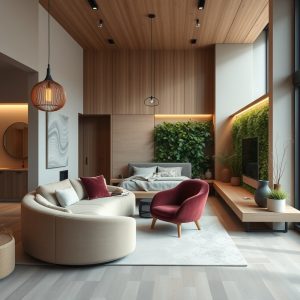
Modern living often demands spaces that serve multiple purposes, and biophilic design paired with smart technology can make this a reality. Consider a living room that doubles as a cozy reading nook, complete with a curved sofa and an indoor garden wall. The addition of smart lighting fixtures can transform the ambiance from a bright, energetic space during the day to a warm, intimate retreat in the evening. Similarly, a home office with biophilic elements like wooden desks and natural light can boost productivity, while smart storage solutions keep the space clutter-free and organized.
Floating wall shelves are another excellent example of how biophilic design and smart technology can coexist. These shelves not only provide functional storage but also serve as a canvas for displaying plants, books, or art. When paired with smart lighting, they can highlight specific elements, creating a dynamic and visually appealing focal point. This fusion of form and function is at the heart of modern interior design, where every element is thoughtfully curated to enhance the living experience.
The Aesthetic Appeal of Earthy Color Palettes and Natural Materials
Earthy color palettes play a pivotal role in biophilic design, as they evoke the warmth and tranquility of the natural world. Shades of terracotta, olive green, and warm beige can create a soothing backdrop for any room, while natural materials like wood, stone, and linen add texture and depth. These elements work together to craft spaces that feel inviting and grounded, making them ideal for both relaxation and socialization.
Incorporating natural materials into a space doesn’t mean sacrificing modernity. On the contrary, materials like matte black hardware and statement lighting fixtures can complement earthy tones, adding a touch of contemporary sophistication. For instance, a Japandi-style bedroom featuring a wooden bed frame, linen bedding, and matte black accents can achieve a perfect balance between minimalism and warmth. Similarly, a living room with a velvet accent chair and a curved sofa can exude soft luxury while maintaining a connection to nature through the use of organic textures and colors.
The Future of Harmonious Living
As we continue to navigate the complexities of modern life, the desire for spaces that nurture our well-being has never been more pronounced. Biophilic design, with its emphasis on natural elements, offers a pathway to creating environments that are not only aesthetically pleasing but also emotionally resonant. When paired with smart technology, these spaces become even more dynamic, adapting to our needs while promoting sustainability. The result is a home that feels like a sanctuary—a place where nature and modernity coexist in perfect harmony, enriching our lives in ways that are both subtle and profound.