The Art of Layered Lighting: How Statement Fixtures and Earthy Tones Create Ambiance in Modern Homes

Lighting is the unsung hero of interior design, capable of transforming a space from flat and lifeless to warm and inviting with just the flick of a switch. Yet, many homeowners treat it as an afterthought, relying on a single overhead fixture to do all the heavy lifting. The truth is, the most captivating spaces embrace layered lighting—a thoughtful combination of ambient, task, and accent lighting that adds depth, dimension, and personality to a room. When paired with earthy color palettes and statement fixtures, this approach doesn’t just illuminate; it elevates.
The Foundation: Ambient Lighting
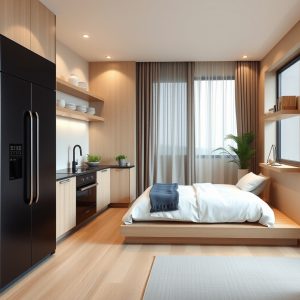
Ambient lighting serves as the base layer, providing the general illumination that allows you to move through a space safely and comfortably. In minimalist living rooms or Japandi-style bedrooms, this often comes from recessed lighting, flush-mount ceiling fixtures, or even natural light streaming through large windows. The key is to keep it soft and diffused, avoiding harsh glares that can disrupt the serene atmosphere. For those drawn to sustainable interior design, opting for LED bulbs with warm color temperatures (around 2700K) ensures energy efficiency without sacrificing coziness.
In open-concept kitchens, ambient lighting can be achieved through pendant lights hung over an island or a statement chandelier that ties the space together. The goal is to create a consistent glow that feels intentional, not overwhelming. When done right, ambient lighting sets the stage for the layers that follow.
The Drama: Statement Lighting Fixtures
If ambient lighting is the foundation, statement fixtures are the exclamation point. These are the pieces that demand attention—oversized pendants, sculptural floor lamps, or vintage-inspired chandeliers that double as works of art. In a room with an earthy color palette, a statement fixture in matte black, brass, or even a textured material like rattan can become the focal point, drawing the eye upward and adding a touch of sophistication.
Consider a biophilic home decor scheme where an organic, tree-like floor lamp mimics the shapes of an indoor garden wall, reinforcing the connection to nature. Or, in a space with Art Deco accents, a geometric pendant light can echo the bold lines and symmetry of the era. The beauty of statement lighting is its ability to reflect your personal style while anchoring the room’s design. It’s not just functional; it’s a conversation starter.
Choosing the Right Fixture for Your Space
Not all statement fixtures are created equal, and the wrong choice can throw off the balance of a room. In a minimalist living room, a sleek, curved pendant light might complement the clean lines of a floating wall shelf or a velvet accent chair. Meanwhile, a vintage-inspired chandelier could add warmth to a multi-functional space where modern and classic elements coexist. The scale of the fixture matters, too—an oversized piece can overwhelm a small room, while a delicate design might get lost in a large, open area.
When selecting a statement fixture, consider the room’s existing color palette. Earthy tones like terracotta, olive green, and warm beige pair beautifully with metallic finishes like brass or copper, creating a harmonious blend of modern and natural elements. For those who love the contrast of matte black hardware, a bold black fixture can ground a space and add a touch of industrial edge.
The Nuance: Task and Accent Lighting
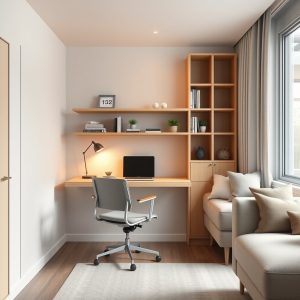
While ambient and statement lighting set the tone, task and accent lighting add the finishing touches that make a space feel lived-in and layered. Task lighting is practical—think under-cabinet lights in a smart kitchen, a swing-arm lamp beside a cozy reading nook, or a vanity light in a luxury home spa. These fixtures are designed to illuminate specific areas where precision is key, whether you’re chopping vegetables, flipping through a book, or applying skincare.
Accent lighting, on the other hand, is all about mood. It’s the subtle glow of a wall sconce highlighting a textured wallpaper, the soft illumination of LED strips behind a floating wall shelf, or the warm light spilling from a table lamp in a Japandi-style bedroom. This layer is where you can get creative, using lighting to emphasize architectural details, artwork, or even an indoor garden wall. The goal is to create pockets of light that guide the eye and add warmth without overpowering the space.
Integrating Smart Technology
In today’s modern homes, lighting isn’t just about aesthetics—it’s about functionality and sustainability. Smart kitchen technology has made its way into lighting design, with systems that allow you to control brightness, color temperature, and even schedules from your smartphone. Imagine adjusting the lighting in your open-concept kitchen to a cooler tone for meal prep and then warming it up for dinner with guests. Or, setting your bedroom lights to gradually brighten in the morning, mimicking a natural sunrise for a gentler wake-up.
For those committed to sustainable interior design, smart lighting can also reduce energy consumption by automatically turning off when a room is unoccupied or dimming to the perfect level for the time of day. It’s a small change that makes a big difference, both for the environment and your utility bill.
The Finishing Touch: Earthy Tones and Natural Materials
Layered lighting shines brightest when paired with a thoughtful color palette and material selection. Earthy tones—think warm browns, soft greens, and muted terracottas—create a backdrop that enhances the warmth of your lighting choices. These colors absorb and reflect light in a way that feels organic, making a space feel cozy and grounded. In a Japandi-style bedroom, for example, a neutral palette of beige and soft gray allows the lighting to take center stage, while textured materials like linen, wood, and stone add depth and tactile interest.
Natural materials also play a role in how light interacts with a space. A curved sofa in a soft, wool blend will catch the light differently than a sleek leather piece, creating subtle variations in texture and shadow. Similarly, a floating wall shelf made of reclaimed wood will add warmth to a room, while a glossy metal shelf might reflect light in a more modern, dynamic way. The key is to mix and match materials that complement your lighting scheme, creating a cohesive look that feels intentional.
Lighting is more than just a practical necessity—it’s an art form that shapes how we experience our homes. By layering ambient, task, and accent lighting, and pairing it with statement fixtures and earthy tones, you can create a space that feels dynamic, inviting, and uniquely yours. Whether you’re designing a minimalist living room, a Japandi-style bedroom, or an open-concept kitchen, the right lighting can turn a house into a home, one layer at a time. The beauty lies in the details, where every beam of light tells a story and every fixture adds a touch of magic.