Walk-In Shower Conversion: A Luxurious Upgrade for Accessibility and Style
Upgrading your bathroom with a walk-in shower conversion is more than just a trend—it’s a transformative investment in comfort, safety, and modern aesthetics. Whether you’re planning for aging in place, enhancing accessibility, or simply elevating your bathroom’s design, a walk-in shower offers a seamless blend of functionality and luxury. Unlike traditional tub-shower combos, these sleek, barrier-free designs eliminate the hassle of stepping over high edges, making them ideal for all ages and mobility levels. But where do you start, and what should you consider before taking the plunge?
The Benefits of a Walk-In Shower Conversion
A walk-in shower isn’t just about looks; it’s a practical upgrade that addresses real-life needs. For homeowners with limited mobility or those planning for the future, the absence of a cumbersome tub edge reduces the risk of slips and falls, a leading cause of household injuries. The open, spacious design also makes cleaning a breeze, as there are fewer nooks and crannies for grime to accumulate. Beyond safety and maintenance, walk-in showers create an illusion of space, making even compact bathrooms feel more expansive and airy.
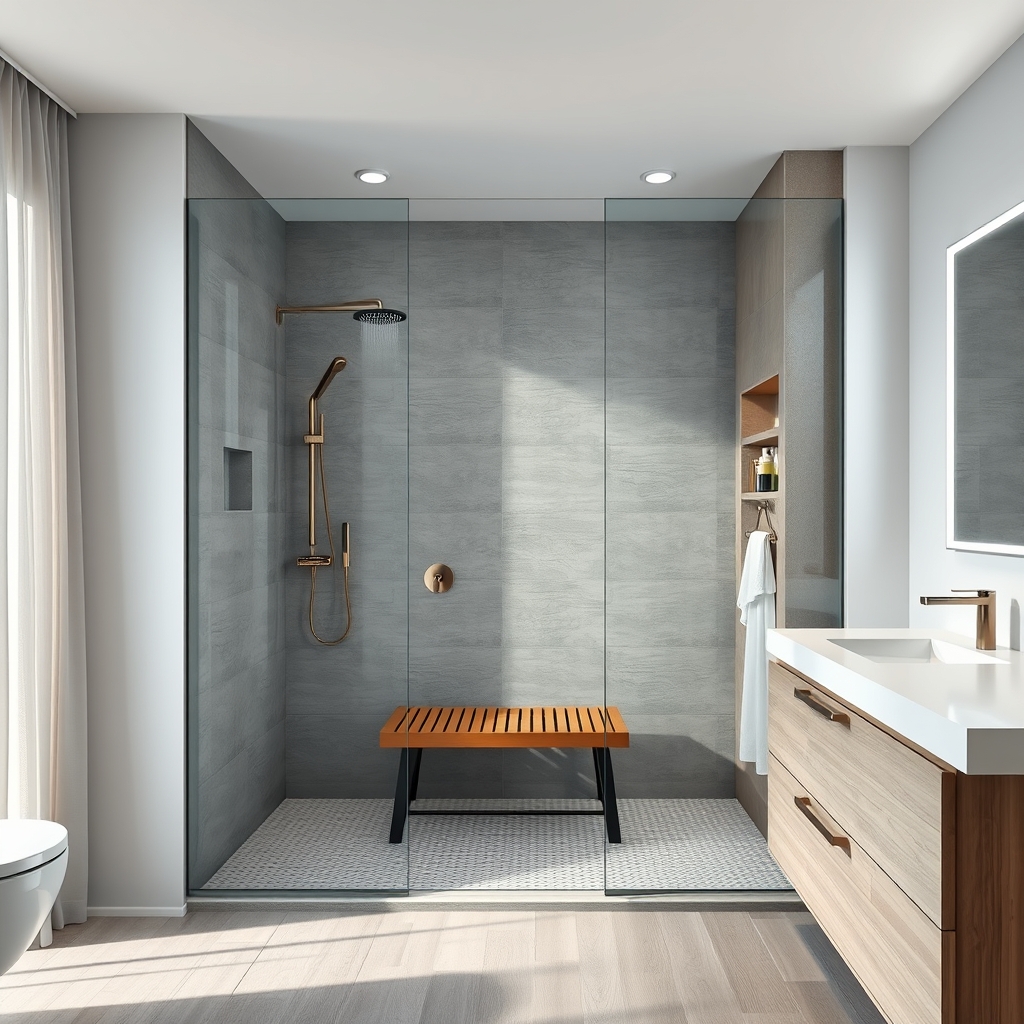
From a design perspective, the possibilities are endless. Modern walk-in showers can be customized with frameless glass enclosures for a minimalist look, or fitted with textured tiles to add depth and character. Rainfall showerheads, built-in benches, and niche shelving for toiletries can turn a basic shower into a spa-like retreat. And let’s not forget the resale value—homes with accessible features like walk-in showers are increasingly in demand, appealing to a broad range of buyers.
Key Considerations Before Starting Your Project
Before diving into a walk-in shower conversion, it’s essential to assess your space and needs. Start by evaluating the layout of your bathroom. Is there enough room to accommodate a walk-in shower without compromising other fixtures? If space is limited, consider a corner or neo-angle design to maximize square footage. Plumbing is another critical factor—relocating drains or water lines can add complexity and cost to the project, so working with an existing layout is often the most budget-friendly approach.
Material selection plays a significant role in both durability and aesthetics. Porcelain or ceramic tiles are popular for their water resistance and versatility, while natural stone like marble or travertine adds a touch of luxury (though it may require more maintenance). For a sleek, contemporary look, large-format tiles or solid surface panels can minimize grout lines, making cleaning easier. Don’t overlook the importance of non-slip flooring, especially if accessibility is a priority. Textured tiles or slip-resistant coatings can provide peace of mind without sacrificing style.
Budgeting and Hiring the Right Professionals
Walk-in shower conversions vary widely in cost, depending on factors like size, materials, and labor. A basic conversion might start around $1,500, but high-end custom designs with premium finishes can exceed $10,000. To avoid surprises, get detailed quotes from multiple contractors, and ask for references or portfolios of their previous work. A reputable professional will not only ensure proper installation but also help you navigate permits and building codes, which can vary by location.
If you’re handy, some aspects of the project—like demolition or painting—might be DIY-friendly, but plumbing and waterproofing are best left to the experts. Poor installation can lead to leaks, mold, or structural damage, so it’s worth investing in skilled labor to get the job done right. Additionally, consider the long-term savings: a well-built walk-in shower can reduce water usage with efficient fixtures and lower maintenance costs over time.
Design Ideas to Elevate Your Walk-In Shower
Gone are the days when walk-in showers were purely utilitarian. Today’s designs blend form and function, creating a focal point in your bathroom. For a timeless look, opt for neutral tones like soft grays or warm beiges, paired with brushed nickel or matte black fixtures. If you love drama, bold patterns or mosaic tiles can add visual interest, while LED lighting or backlit mirrors can create a soft, ambient glow. Heated floors are another luxurious touch, providing warmth underfoot during colder months.
For those who love a spa-like experience, consider incorporating a steam shower or aromatherapy features. Built-in seating, whether a bench or a fold-down chair, adds convenience and comfort, while glass enclosures keep the space feeling open. If privacy is a concern, frosted or patterned glass can strike a balance between seclusion and style. Don’t forget the finishing touches—high-quality showerheads, sleek faucets, and organized storage can make all the difference in your daily routine.
Transforming your bathroom with a walk-in shower is more than just a home improvement project; it’s an opportunity to create a space that reflects your lifestyle and meets your needs for years to come. Whether you’re drawn to the sleek, modern aesthetic or the practical benefits of accessibility, this upgrade offers a blend of comfort and sophistication that’s hard to match. With careful planning and the right design choices, your new walk-in shower can become the centerpiece of a bathroom that’s as functional as it is beautiful, proving that small changes can have a big impact on your daily life.