The Elegance of Multi-Functional Spaces: How Curved Sofa Designs and Hidden Storage Define Modern Living
In today’s fast-paced world, where urban living often means compromising on space, the concept of multi-functional interiors has evolved from a trend into a necessity. Homeowners and designers alike are embracing the challenge of creating environments that are not only aesthetically pleasing but also highly practical. At the heart of this movement lies the seamless integration of form and function, where every piece of furniture and design element serves a purpose beyond its immediate appearance. Among the most transformative innovations in this space are curved sofa designs and hidden storage solutions, which together redefine what it means to live large in compact settings.
The Philosophy Behind Multi-Functional Spaces
Multi-functional spaces are rooted in the idea that a home should adapt to the needs of its inhabitants, rather than the other way around. This philosophy is deeply influenced by the principles of minimalist living and sustainable interior design, where excess is eschewed in favor of intentionality. The goal is to create rooms that can effortlessly transition from a workspace to a social hub, a dining area to a relaxation zone, or a guest room to a home gym. This adaptability is not just about saving space—it’s about enhancing the quality of life by reducing clutter, simplifying routines, and fostering a sense of harmony within the home.
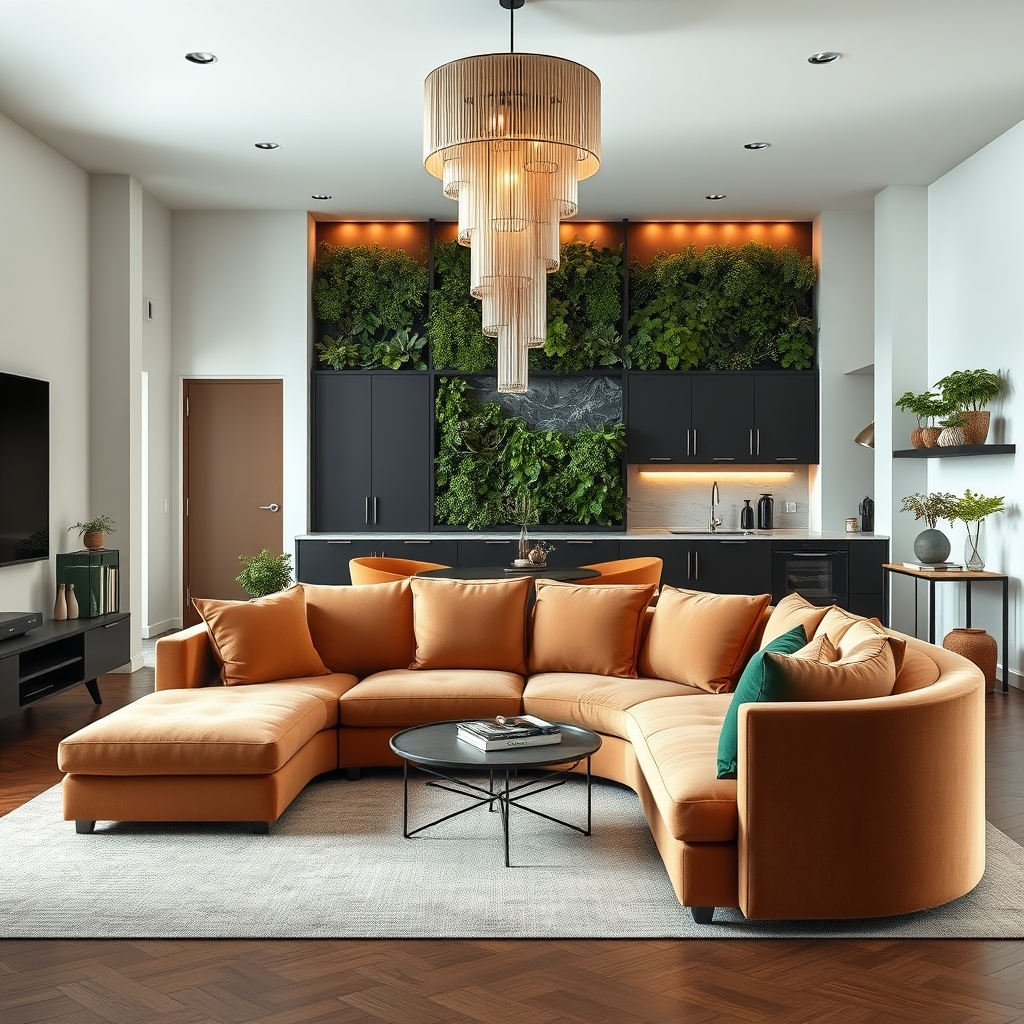
One of the most compelling ways to achieve this flexibility is through thoughtful furniture choices. Curved sofa designs, for instance, are more than just a nod to contemporary aesthetics; they are a functional response to the need for fluidity in modern living. Unlike traditional sofas with sharp angles, curved designs soften the visual lines of a room, creating a more inviting and dynamic atmosphere. Their organic shapes encourage movement and interaction, making them ideal for open-concept layouts where spaces flow into one another. Additionally, curved sofas can be paired with modular components, allowing homeowners to reconfigure their seating arrangements based on the occasion—whether it’s a cozy movie night or a lively gathering with friends.
The Role of Curved Sofas in Modern Interiors
Curved sofas have surged in popularity, and it’s easy to see why. Their design is inherently inclusive, drawing people together in a way that linear furniture often fails to do. In a living room, a curved sofa can act as a focal point, anchoring the space while also defining its boundaries in an open-plan setting. This is particularly valuable in smaller homes or apartments, where the lack of walls can make it challenging to create distinct zones. By introducing a curved sofa, you can subtly delineate a living area from a dining space or a home office, all without the need for physical dividers.
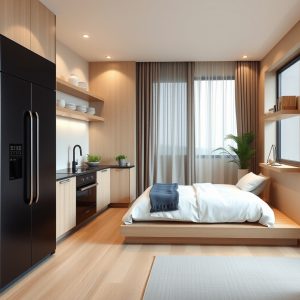
Beyond their spatial benefits, curved sofas also bring a sense of luxury and comfort to a room. Their sweeping lines evoke a sense of movement and elegance, making them a natural fit for interiors that blend modern and vintage influences. For example, pairing a curved sofa with velvet accent chairs or Art Deco accents can create a rich, layered look that feels both timeless and contemporary. The versatility of curved designs also means they can adapt to various styles—whether you’re aiming for a Japandi-inspired bedroom’s serene simplicity or a living room bursting with biophilic home decor and earthy color palettes.
Hidden Storage: The Unsung Hero of Multi-Functional Design
While curved sofas address the need for flexibility and style, hidden storage solutions tackle the practical challenges of living in compact spaces. Clutter is the enemy of tranquility, and in a multi-functional home, every square inch counts. Hidden storage allows homeowners to maintain a clean, uncluttered aesthetic while ensuring that essentials are always within reach. From built-in cabinets and under-stair drawers to ottomans with concealed compartments and floating wall shelves with integrated storage, the options are as diverse as they are ingenious.
One of the most effective ways to incorporate hidden storage is by reimagining existing architectural elements. For instance, a staircase can double as a bookshelf or a series of pull-out drawers, while a bed frame can lift to reveal ample storage underneath. In kitchens, open-concept designs can be enhanced with pull-out pantries or island units that house appliances, utensils, and even recycling bins. These solutions not only maximize space but also contribute to the overall aesthetic of the home. Matte black hardware, for example, can add a touch of understated sophistication to storage units, while textured wallpapers or earthy tones can create a warm, cohesive backdrop.
Designing for the Future: Sustainability and Smart Technology
The rise of multi-functional spaces is also closely tied to the growing emphasis on sustainable interior design. As homeowners become more conscious of their environmental impact, there is a shift toward furniture and materials that are durable, repurposable, and eco-friendly. Curved sofas made from sustainably sourced fabrics or reclaimed wood, for example, align with this ethos while still delivering on style. Similarly, hidden storage solutions reduce the need for additional furniture, minimizing waste and promoting a more mindful approach to consumption.
Smart kitchen technology and other innovations are also playing a pivotal role in the evolution of multi-functional spaces. Imagine a kitchen island that doubles as a dining table and a charging station for devices, or a living room sofa with built-in USB ports and wireless charging capabilities. These features not only enhance convenience but also future-proof the home, ensuring it can adapt to the changing needs of its inhabitants. When combined with biophilic design elements like indoor garden walls or statement lighting fixtures that mimic natural light, these spaces become havens of comfort and efficiency.
Creating a Cohesive Aesthetic
While functionality is paramount in multi-functional spaces, aesthetics should never be an afterthought. The key to a successful design lies in striking a balance between practicality and visual appeal. Earthy color palettes, for instance, can create a calming atmosphere that complements the organic shapes of curved sofas, while textured wallpapers add depth and warmth to the space. Statement lighting fixtures, such as oversized pendant lights or sculptural floor lamps, can serve as both functional and decorative elements, drawing the eye upward and making a room feel more expansive.
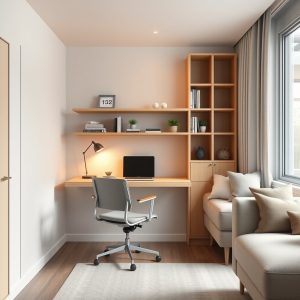
For those who love the charm of vintage furniture revival, incorporating timeless pieces into a multi-functional space can add character and personality. A mid-century modern sideboard, for example, can serve as a media console, a bar, or a display cabinet, depending on the needs of the moment. Similarly, a cozy reading nook with a vintage armchair and floating wall shelves can double as a quiet workspace or a meditation corner. The beauty of these spaces lies in their ability to evolve with you, offering endless possibilities for customization and reinvention.
The art of designing multi-functional spaces is ultimately about embracing the idea that a home should be as dynamic as the lives of those who inhabit it. By thoughtfully integrating curved sofa designs, hidden storage solutions, and sustainable materials, you can create a living environment that is not only beautiful but also deeply practical. Whether you’re working with a compact apartment or a sprawling open-concept home, the principles of flexibility, intentionality, and harmony will guide you toward a space that feels both expansive and intimately yours. As the boundaries between work, leisure, and living continue to blur, these adaptable interiors offer a glimpse into the future of home design—one where every element serves a purpose, and every corner tells a story.