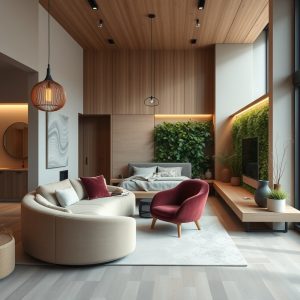
The Revival of Vintage Furniture in Multi-Functional Spaces: A Timeless Approach to Modern Living
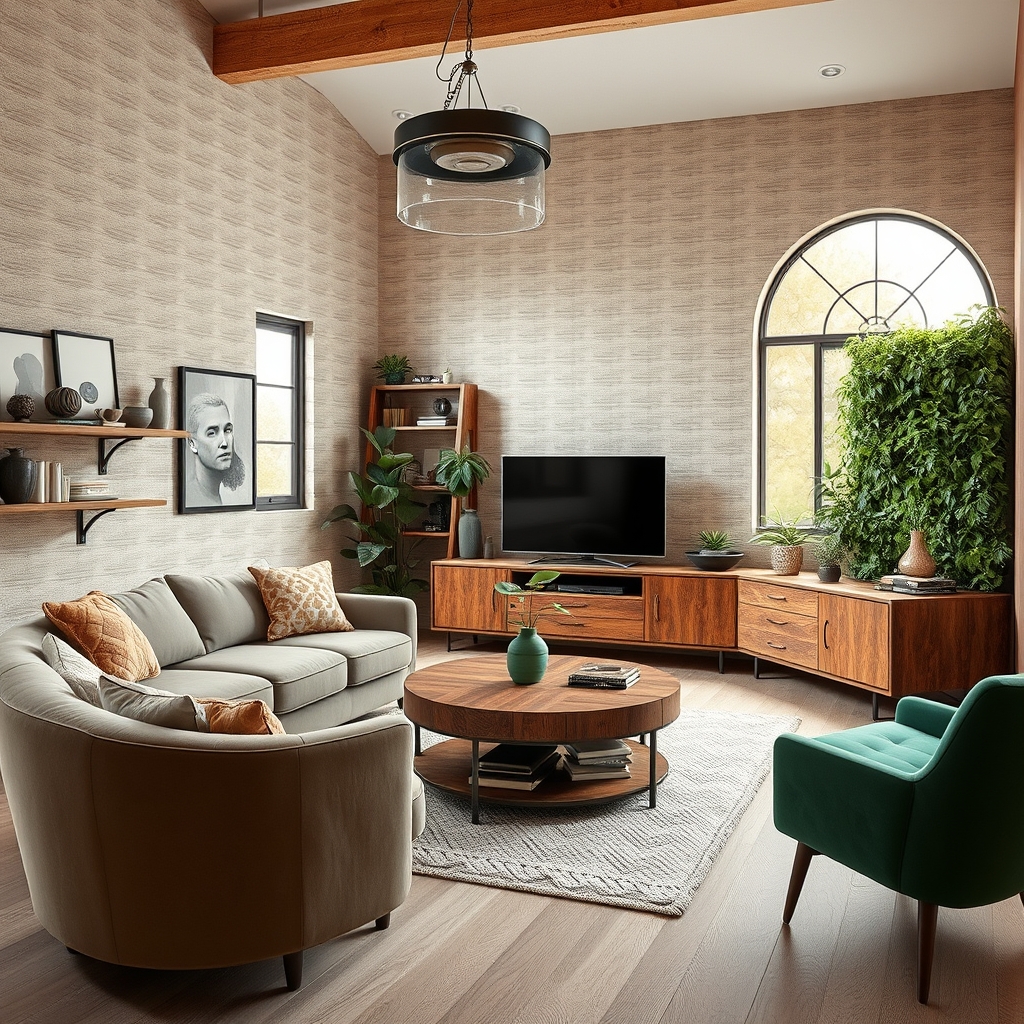
In an era where minimalism and functionality dominate interior design trends, the resurgence of vintage furniture offers a refreshing contrast. These timeless pieces bring character, history, and a sense of warmth to modern multi-functional spaces, creating environments that are not only stylish but also deeply personal. The revival of vintage furniture is more than just a nod to the past—it’s a celebration of craftsmanship, sustainability, and the art of blending old with new.
The Appeal of Vintage Furniture in Contemporary Spaces
Vintage furniture carries a story. Whether it’s a mid-century modern armchair, a rustic farmhouse table, or an ornate Art Deco sideboard, each piece has a unique history that adds depth to a room. In today’s fast-paced world, where mass-produced furniture often lacks soul, vintage pieces provide an antidote to the sterile, cookie-cutter interiors that dominate modern design. They infuse spaces with personality, making them feel lived-in and inviting.
Beyond aesthetics, vintage furniture is also a sustainable choice. By repurposing and restoring existing pieces, homeowners reduce their environmental footprint, aligning with the growing demand for eco-friendly interior design. This approach not only minimizes waste but also supports a circular economy, where quality craftsmanship is valued over disposable trends.
Blending Vintage with Modern: The Art of Balance
One of the biggest challenges in incorporating vintage furniture into modern spaces is achieving a harmonious balance. Too much vintage can make a room feel like a time capsule, while too little may leave it lacking in character. The key lies in thoughtful curation and strategic placement. For instance, pairing a sleek, curved sofa with a reclaimed wooden coffee table can create a striking contrast between old and new. Similarly, juxtaposing a velvet accent chair with minimalist floating wall shelves can add warmth and texture without overwhelming the space.
Another effective strategy is to use vintage pieces as focal points. A statement lighting fixture, such as a retro chandelier or an industrial pendant light, can draw the eye and anchor the room’s design. Similarly, a vintage rug or an Art Deco-inspired mirror can serve as a foundation for the rest of the decor, tying together modern and classic elements seamlessly.
Multi-Functional Spaces: Where Vintage Shines
Multi-functional spaces are a hallmark of modern living, and vintage furniture is uniquely suited to these environments. Its versatility allows it to adapt to various needs, whether it’s a dining table that doubles as a workspace or a vintage trunk used for both storage and seating. For example, a mid-century sideboard can serve as a media console in a living room while providing hidden storage for clutter. In a Japandi-style bedroom, a vintage dresser can add warmth and functionality, complementing the clean lines and earthy color palettes of the space.
Vintage furniture also excels in open-concept kitchens, where it can soften the sleek, modern lines of cabinetry and appliances. A farmhouse table or a set of mismatched chairs can create a cozy, communal atmosphere, making the kitchen feel like the heart of the home. Even in luxury home spas, vintage elements like a clawfoot bathtub or an antique vanity can evoke a sense of timeless elegance, transforming a functional space into a sanctuary.
Restoration and Customization: Breathing New Life into Old Pieces
Restoring vintage furniture is an art form in itself. Whether it’s refinishing a wooden dresser, reupholstering a velvet accent chair, or repairing a wrought-iron bed frame, the process requires patience, skill, and a deep appreciation for the piece’s original craftsmanship. For those who prefer a more hands-off approach, many artisans and designers specialize in restoring vintage furniture, ensuring that each piece retains its charm while meeting modern standards of durability and comfort.
Customization is another way to make vintage furniture feel contemporary. For instance, updating the hardware on a vintage cabinet with matte black pulls can give it a fresh, modern look. Similarly, reupholstering a mid-century chair in a bold, textured fabric can transform it into a statement piece that complements a biophilic home decor scheme. These small changes allow homeowners to preserve the integrity of the original piece while tailoring it to their personal style.
Sustainable and Stylish: The Future of Vintage Furniture
As sustainability continues to shape interior design trends, the demand for vintage furniture is only expected to grow. Unlike fast furniture, which is often made from low-quality materials and designed to be replaced, vintage pieces are built to last. They represent a commitment to quality, durability, and timeless design—values that resonate with today’s conscious consumers.
Moreover, vintage furniture aligns with the principles of biophilic design, which emphasizes the connection between humans and nature. Many vintage pieces are made from natural materials like wood, rattan, and linen, which not only age beautifully but also contribute to a healthier indoor environment. By incorporating these materials into modern spaces, homeowners can create interiors that are both stylish and sustainable.
The revival of vintage furniture is more than just a trend—it’s a movement toward mindful living. By embracing the past, we can create spaces that are not only functional and beautiful but also rich in history and meaning. Whether it’s a statement lighting fixture in a minimalist living room or a restored dresser in a Japandi-style bedroom, vintage pieces have the power to transform a house into a home, one timeless treasure at a time.