Smart Home Integration on a Budget: Transforming Your Living Space with Affordable Tech Upgrades
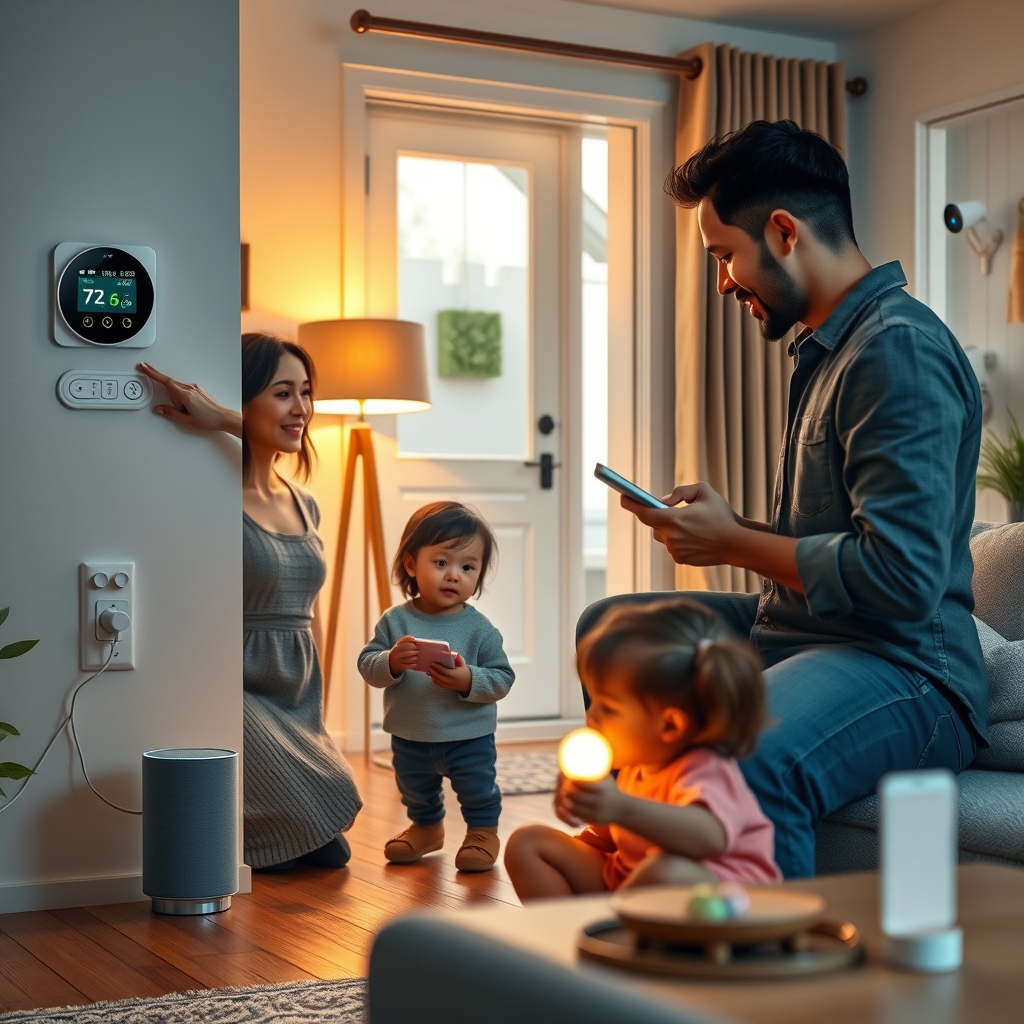
In an era where technology seamlessly blends with daily life, transforming your home into a smart living space no longer requires a hefty investment. With strategic planning and a focus on cost-effective solutions, you can enhance convenience, security, and energy efficiency without breaking the bank. The key lies in prioritizing upgrades that offer the most value while aligning with your lifestyle and long-term goals.
Why Smart Home Integration Matters
Smart home technology is often perceived as a luxury reserved for high-end renovations, but its benefits extend far beyond mere convenience. Energy-efficient devices, such as smart thermostats and LED lighting systems, can significantly reduce utility bills over time. Automated security features, like smart locks and cameras, provide peace of mind without the need for expensive monitoring services. Additionally, voice-controlled assistants and automated routines simplify daily tasks, making your home more functional and adaptable to your needs.
Start with the Essentials: Budget-Friendly Smart Devices
Not all smart home upgrades require a complete overhaul. Begin with affordable, high-impact devices that integrate easily into your existing setup. A smart plug, for example, can turn any appliance into a remotely controllable device, allowing you to schedule usage and monitor energy consumption. Smart bulbs, which often cost less than $20 each, offer customizable lighting scenes and can be controlled via smartphone or voice commands. For under $100, a smart thermostat like the Google Nest or Amazon Ecobee can optimize heating and cooling, learning your preferences to reduce energy waste.
Maximize Efficiency with Energy-Saving Upgrades
One of the most compelling reasons to embrace smart home technology is its potential to lower energy costs. Smart power strips prevent phantom energy drain by cutting power to devices in standby mode. Motion-sensor lights ensure illumination only when needed, reducing electricity usage in hallways, closets, and outdoor spaces. For those looking to take energy efficiency further, smart window sensors can alert you to drafts, while automated blinds adjust to natural light, reducing reliance on artificial heating and cooling.
Seamless Integration: Creating a Unified Smart Ecosystem
While individual smart devices offer immediate benefits, their true potential is unlocked when they work together. A central hub, such as Amazon Alexa, Google Home, or Apple HomeKit, allows you to control multiple devices through a single interface. For example, a “good morning” routine could simultaneously adjust the thermostat, turn on the coffee maker, and open the blinds—all with a single voice command. Many budget-friendly hubs are available, and some even come bundled with starter kits that include essential devices like smart plugs and bulbs.
Security on a Budget: Affordable Smart Solutions
Home security doesn’t have to come with a premium price tag. A basic smart doorbell with a camera, such as the Ring Video Doorbell, provides real-time alerts and two-way communication for under $100. Indoor and outdoor security cameras with cloud storage options start at similarly affordable prices, offering flexibility without long-term contracts. Smart locks, which allow keyless entry and remote access, can be installed without replacing your entire door hardware, making them a cost-effective upgrade for renters and homeowners alike.
Future-Proofing Your Home: Scalable Upgrades
When planning smart home integrations, consider scalability to avoid costly replacements down the line. Opt for devices that support open standards like Zigbee or Z-Wave, which ensure compatibility with a wide range of products. Wireless systems are ideal for renters or those who plan to move, as they require minimal installation and can be easily relocated. Additionally, look for devices with firmware updates to ensure longevity and security against evolving cyber threats.
DIY vs. Professional Installation: Making the Right Choice
Many smart home devices are designed for easy DIY installation, saving you the cost of professional labor. Plug-and-play devices like smart speakers, plugs, and bulbs require no technical expertise, while slightly more complex installations, such as smart thermostats or doorbells, often come with step-by-step guides. However, for hardwired systems like smart switches or whole-home automation, hiring a professional may be worth the investment to ensure safety and optimal performance. Weigh the complexity of the installation against your comfort level with electrical work before deciding.
Embracing smart home technology doesn’t have to be an all-or-nothing endeavor. By starting small and focusing on upgrades that align with your priorities—whether it’s energy savings, security, or convenience—you can gradually transform your living space into a modern, efficient, and responsive environment. The beauty of smart home integration lies in its adaptability; as your needs evolve, so too can your home, one affordable upgrade at a time. With a little planning and creativity, you’ll find that even the simplest additions can make a world of difference in how you experience and interact with your space.