Breathing New Life into Your Home: A Guide to Eco-Friendly Retrofits That Save Money and the Planet
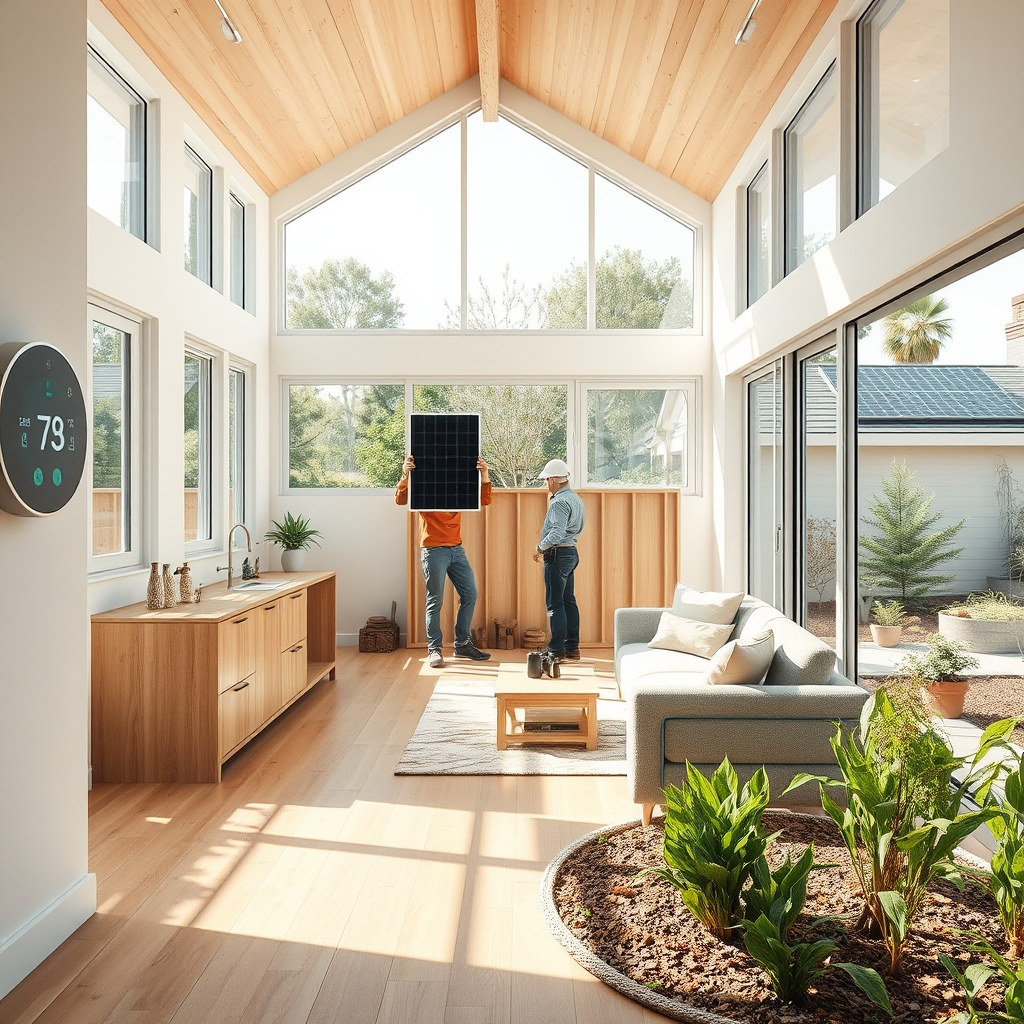
Retrofitting your home with eco-friendly upgrades is no longer just a trend—it’s a smart, long-term investment that benefits both your wallet and the environment. Whether you’re looking to reduce energy bills, increase comfort, or shrink your carbon footprint, sustainable retrofits offer a practical way to modernize your living space without breaking the bank. The best part? Many of these upgrades pay for themselves over time through energy savings, making them a win-win for homeowners.
The Power of Energy-Efficient Windows
One of the most impactful yet often overlooked retrofits is replacing old, drafty windows with energy-efficient models. Traditional single-pane windows are notorious for poor insulation, leading to heat loss in winter and unwanted heat gain in summer. Modern double- or triple-pane windows, filled with inert gases like argon or krypton, provide superior thermal performance. They not only keep your home at a more consistent temperature but also reduce the strain on your heating and cooling systems, lowering energy consumption by up to 25%.
When selecting windows, look for the ENERGY STAR label, which indicates compliance with strict efficiency standards. Additionally, consider frames made from sustainable materials like fiberglass or recycled aluminum. While the upfront cost may seem steep, the long-term savings on utility bills and potential tax credits or rebates make this upgrade a financially sound choice.
Smart Home Integration for Efficiency and Convenience
Integrating smart home technology is another effective way to enhance your home’s efficiency while adding a layer of modern convenience. Smart thermostats, like those from Nest or Ecobee, learn your habits and adjust temperatures automatically to optimize energy use. They can be controlled remotely via smartphone, ensuring you’re never wasting energy heating or cooling an empty house. Studies show that smart thermostats can save homeowners up to 10-12% on heating and 15% on cooling costs annually.
Beyond thermostats, smart lighting systems, such as Philips Hue or Lutron, allow you to control lights remotely and set schedules to reduce unnecessary energy consumption. Motion sensors and dimmers further enhance efficiency by ensuring lights are only on when needed. Pairing these systems with energy-efficient LED bulbs maximizes savings while creating a more responsive and adaptable living environment.
Sustainable Material Upgrades: Beauty Meets Responsibility
Choosing sustainable materials for your retrofit not only reduces your environmental impact but also adds unique character and durability to your home. Bamboo flooring, for example, is a rapidly renewable resource that offers the warmth and elegance of hardwood without the lengthy regrowth period of traditional timber. Similarly, reclaimed wood from old barns, factories, or shipping pallets can be repurposed for flooring, accent walls, or furniture, giving your home a rustic yet refined aesthetic.
For countertops and surfaces, consider materials like recycled glass, quartz, or even paper composite. These options are not only eco-friendly but also highly durable and resistant to stains and scratches. When painting, opt for low-VOC (volatile organic compound) or zero-VOC paints to improve indoor air quality and reduce harmful emissions. These small changes can make a big difference in creating a healthier, more sustainable home.
Structural Changes for Long-Term Benefits
Sometimes, the most transformative retrofits require a bit more effort but deliver substantial long-term benefits. Removing non-load-bearing walls to create an open-concept floor plan, for instance, can make your home feel more spacious and improve natural light flow. This not only enhances the aesthetic appeal of your space but also reduces the need for artificial lighting, further cutting energy costs.
Another structural upgrade to consider is an attic conversion or finished basement transformation. These projects can add valuable square footage to your home without the expense and environmental impact of a full addition. By insulating and sealing these spaces properly, you can create a comfortable, energy-efficient area for a home office, guest suite, or entertainment room. Adding skylights or solar tubes can also bring in natural light, reducing the need for electric lighting during the day.
Outdoor Living: Extending Your Sustainable Lifestyle
Eco-friendly retrofits aren’t limited to the interior of your home. Expanding your outdoor living space with sustainable practices can enhance your home’s curb appeal while reducing your environmental footprint. Consider installing permeable paving for driveways and walkways to allow rainwater to seep into the ground, reducing runoff and replenishing groundwater supplies. Native plants and drought-resistant landscaping can minimize water usage while providing a low-maintenance, vibrant outdoor space.
For those looking to take it a step further, adding a green roof or living wall can improve insulation, reduce stormwater runoff, and even provide fresh produce if planted with edible greens. Outdoor kitchens equipped with energy-efficient appliances and solar-powered lighting can create a functional and eco-conscious entertaining area. These upgrades not only make your home more enjoyable but also contribute to a healthier planet.
Financing and Incentives: Making Retrofits Affordable
The initial cost of eco-friendly retrofits can be a barrier for some homeowners, but there are numerous financing options and incentives available to make these projects more accessible. Government programs, such as the U.S. Department of Energy’s Weatherization Assistance Program, offer grants and low-interest loans for energy-efficient upgrades. Many utility companies also provide rebates for installing energy-efficient appliances, windows, or insulation.
Tax credits, like the federal Residential Renewable Energy Tax Credit, can offset a portion of the cost for solar panels, geothermal heat pumps, and other renewable energy systems. Additionally, some municipalities offer property tax exemptions or reductions for homes with green certifications, such as LEED or ENERGY STAR. Exploring these options can significantly reduce the financial burden of retrofitting, making it easier to invest in a more sustainable home.
Transforming your home into an eco-friendly sanctuary doesn’t have to be an overwhelming or expensive endeavor. By focusing on strategic upgrades—like energy-efficient windows, smart home technology, and sustainable materials—you can create a space that is both beautiful and kind to the planet. Each small change contributes to a larger impact, reducing your carbon footprint while enhancing your quality of life. As more homeowners embrace these retrofits, the collective effort moves us closer to a future where sustainable living is not just a choice, but a way of life.