
Transform Your Home with a Budget-Friendly Kitchen Renovation: Smart Tips and Sustainable Upgrades
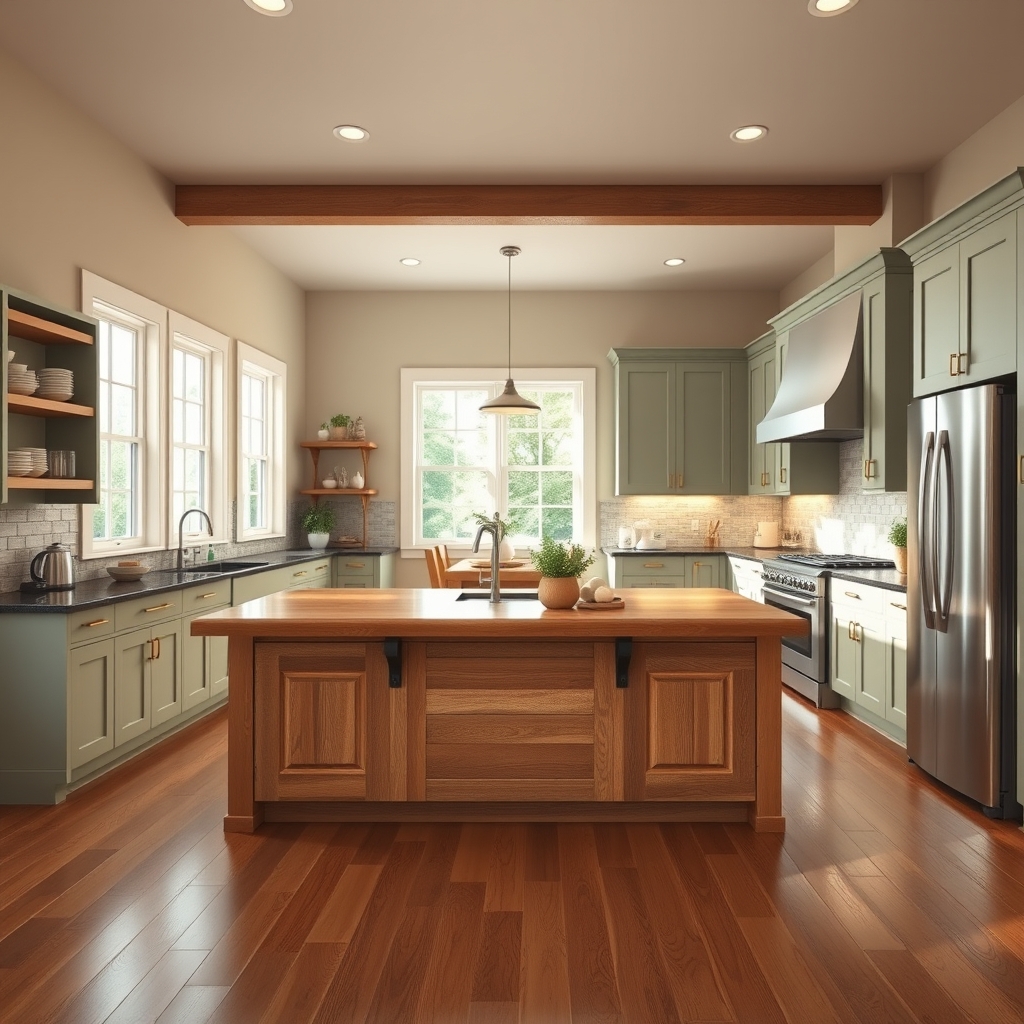
Renovating your kitchen doesn’t have to drain your savings or harm the planet. With thoughtful planning and strategic choices, you can create a stunning, functional space that aligns with your values and budget. The key lies in prioritizing upgrades that offer the most impact without the hefty price tag, while also considering eco-friendly alternatives that reduce your carbon footprint. Whether you’re dreaming of an open-concept layout or simply want to refresh your cabinetry, these tips will help you achieve a kitchen that feels brand new without the financial strain.
The Power of Planning: Where to Start
Before swinging a hammer or picking out paint swatches, take time to assess your kitchen’s current layout and functionality. Identify pain points—like cramped countertops, outdated appliances, or inefficient storage—and focus on solutions that address these issues first. A well-thought-out plan ensures you allocate your budget where it matters most, avoiding costly mistakes or unnecessary upgrades. Consider sketching a rough layout or using free online design tools to visualize changes before committing to them.
One of the most cost-effective ways to transform your kitchen is by reconfiguring its flow. Removing non-load-bearing walls to create an open-concept floor plan can make the space feel larger and more inviting, even if you don’t expand the square footage. If structural changes aren’t feasible, smaller tweaks like relocating the sink or adding a kitchen island can improve functionality without a major overhaul. The goal is to create a space that feels intuitive and efficient, where cooking, dining, and socializing seamlessly blend together.
Sustainable Materials: Beauty Meets Responsibility
Choosing sustainable material upgrades is a win-win for your wallet and the environment. Opt for reclaimed wood for cabinetry or countertops, which adds character and reduces the demand for new lumber. Bamboo is another excellent option—it’s durable, renewable, and grows quickly, making it a far more eco-friendly choice than traditional hardwood. For flooring, consider cork or recycled tile, both of which are comfortable underfoot and come in a variety of stylish designs.
Countertops are another area where sustainable choices shine. Materials like recycled glass, quartz, or even paper composite offer durability and a unique aesthetic without the environmental toll of granite or marble. If you’re on a tight budget, look for remnants or overstock slabs at local stone yards—these can often be purchased at a fraction of the cost. Pair these materials with low-VOC (volatile organic compound) paints and adhesives to improve indoor air quality and reduce your home’s overall toxicity.
Energy Efficiency: Small Changes, Big Savings
Upgrading to energy-efficient window replacements is one of the smartest investments you can make during a kitchen renovation. Old, drafty windows can account for up to 30% of your home’s energy loss, driving up heating and cooling costs. Modern double- or triple-pane windows with low-emissivity (Low-E) coatings help regulate indoor temperatures, keeping your kitchen comfortable year-round while slashing utility bills. If new windows aren’t in the budget, consider adding thermal curtains or window films as a temporary solution.
Appliances are another area where energy efficiency pays off. Look for ENERGY STAR-rated models, which use significantly less water and electricity than their conventional counterparts. While the upfront cost may be higher, the long-term savings on utility bills make them a worthwhile investment. If you’re not ready to replace all your appliances, start with the biggest energy hogs—like refrigerators and dishwashers—and upgrade others over time. Don’t forget to recycle your old appliances responsibly to keep them out of landfills.
Smart Storage: Maximizing Every Inch
Clutter can make even the most beautiful kitchen feel chaotic. Custom storage additions are a game-changer, helping you maximize every inch of space while keeping essentials within easy reach. Start by assessing your current storage—are there dead zones, like the corners of cabinets or the space above the fridge, that could be better utilized? Pull-out shelves, lazy Susans, and vertical dividers can transform awkward spaces into functional storage solutions.
Open shelving is another budget-friendly trend that adds both storage and style. Swapping upper cabinets for floating shelves creates an airy, modern look while making it easier to access everyday items. If you prefer closed storage, consider glass-front cabinets to display dishware or decorative pieces. For small kitchens, multifunctional furniture—like a kitchen island with built-in storage or a rolling cart—can provide extra prep space and organization without taking up permanent real estate.
Lighting: Setting the Mood and Saving Energy
Lighting can make or break a kitchen’s ambiance. Layering different types of lighting—ambient, task, and accent—creates a warm, inviting atmosphere while ensuring functionality. Start with energy-efficient LED bulbs, which last longer and use less electricity than traditional incandescent bulbs. Under-cabinet lighting is a practical addition, illuminating countertops for meal prep while adding a soft glow to the space. Pendant lights over an island or dining area can serve as a focal point, tying the room’s design together.
If you’re feeling adventurous, consider smart home integration for your kitchen lighting. Smart bulbs or switches allow you to control brightness and color temperature via an app or voice assistant, making it easy to adjust the mood for cooking, dining, or entertaining. Some systems even let you set schedules or automate lighting based on natural daylight, further reducing energy consumption. While these upgrades may seem like a luxury, they often pay for themselves in energy savings over time.
Curb Appeal Starts Indoors
A kitchen renovation isn’t just about what’s inside—it’s also an opportunity to enhance your home’s curb appeal. If your kitchen is visible from the front of the house, consider how updates like new siding, a fresh coat of paint, or modern exterior lighting can complement your interior changes. Even small details, like updating your front door or adding window boxes, can create a cohesive look that boosts your home’s overall value.
For those with older homes, blending modern upgrades with historic charm can be a delicate balance. Historic home restoration techniques—like preserving original trim, refinishing hardwood floors, or using period-appropriate fixtures—can maintain your home’s character while incorporating contemporary conveniences. If your kitchen features original hardwood floors, for example, hardwood flooring refinishing can restore their beauty without the cost of replacement. These thoughtful touches ensure your renovation feels timeless rather than trendy.
Renovating your kitchen on a budget doesn’t mean sacrificing style or sustainability. By focusing on high-impact, low-cost upgrades and prioritizing eco-friendly materials, you can create a space that’s as functional as it is beautiful. Whether you’re opening up the floor plan, adding smart storage, or incorporating energy-efficient appliances, every small change contributes to a kitchen that reflects your lifestyle and values. The best part? You don’t have to wait for a complete overhaul to start enjoying the benefits—sometimes, the most transformative renovations begin with a single, well-planned step.