The Rise of Smart Kitchen Technology: Blending Innovation with Sustainable Interior Design
The modern kitchen is no longer just a place for cooking; it has evolved into the heart of the home, where technology, sustainability, and design converge. As we seek more efficient and eco-conscious ways to live, smart kitchen technology has emerged as a game-changer, seamlessly integrating with sustainable interior design principles to create spaces that are both functional and forward-thinking.
The Intersection of Smart Technology and Sustainability
Smart kitchen technology is revolutionizing the way we interact with our culinary spaces. From energy-efficient appliances to AI-powered assistants, these innovations are designed to reduce waste, conserve resources, and enhance convenience. For instance, smart refrigerators can now track food expiration dates, suggest recipes based on available ingredients, and even order groceries automatically, minimizing food waste—a critical aspect of sustainable living.
Similarly, induction cooktops and smart ovens optimize energy use by adjusting heat levels precisely, ensuring that no energy is wasted. These appliances not only reduce utility bills but also align with the growing demand for eco-friendly homes. When paired with sustainable materials like reclaimed wood cabinetry or recycled glass countertops, the result is a kitchen that embodies both cutting-edge technology and environmental responsibility.
Designing a Smart Kitchen with Earthy Color Palettes
While technology plays a pivotal role, the aesthetic appeal of a smart kitchen should not be overlooked. Earthy color palettes—think warm terracottas, soft olives, and muted beiges—create a calming backdrop that complements the sleek, modern lines of smart appliances. These tones evoke a sense of connection to nature, reinforcing the biophilic design principles that are increasingly popular in sustainable interiors.
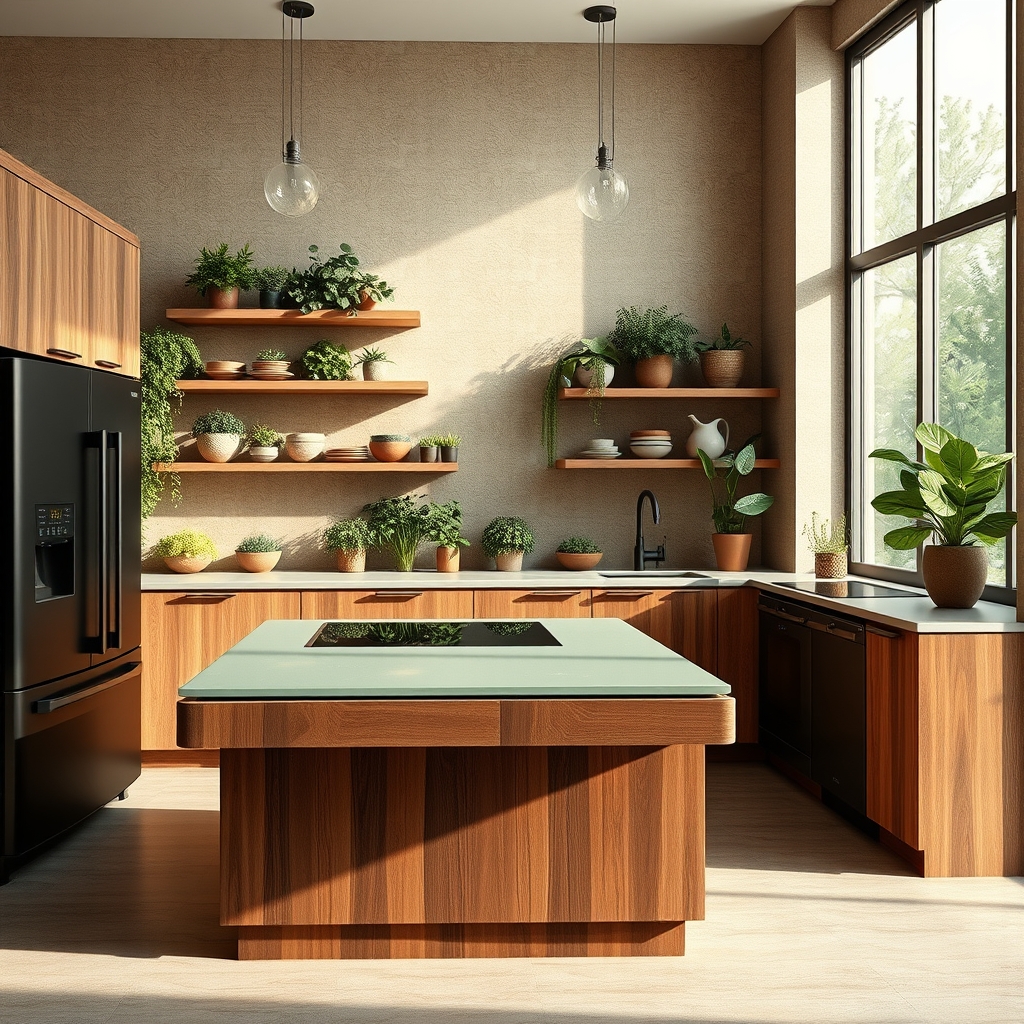
To enhance the natural vibe, consider incorporating textured wallpapers or matte black hardware, which add depth and contrast without overwhelming the space. Floating wall shelves can display organic decor, such as potted herbs or handcrafted ceramics, further blending technology with tactile, earthy elements. The key is to strike a balance between high-tech functionality and the warmth of natural materials, ensuring the kitchen feels inviting rather than sterile.
Multi-Functional Spaces for the Modern Lifestyle
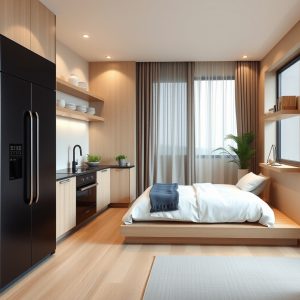
In today’s homes, kitchens often double as dining areas, workspaces, or even entertainment hubs. Smart technology facilitates this versatility by offering solutions that adapt to various needs. For example, motorized kitchen islands can be adjusted in height to serve as a prep station, dining table, or bar, while built-in charging stations and wireless speakers cater to both work and leisure.
Hidden storage solutions, such as pull-out pantries or under-counter drawers, keep clutter at bay, maintaining the minimalist aesthetic that defines modern smart kitchens. These multi-functional features not only maximize space but also reduce the need for additional furniture, aligning with the principles of sustainable design by minimizing resource consumption.
Biophilic Design: Bringing Nature into the Smart Kitchen
Biophilic design—an approach that integrates natural elements into interior spaces—is a perfect complement to smart kitchen technology. Indoor garden walls, for instance, can be equipped with automated irrigation systems, allowing homeowners to grow fresh herbs and vegetables year-round. These living walls not only purify the air but also add a vibrant, organic touch to the kitchen’s design.
Large windows or skylights can flood the space with natural light, reducing the need for artificial lighting during the day. When paired with smart lighting systems that adjust color temperature based on the time of day, the kitchen becomes a dynamic space that supports both energy efficiency and well-being. The result is a harmonious blend of technology and nature, where innovation enhances rather than detracts from the human experience.
The Future of Smart Kitchens: A Sustainable Vision
As smart kitchen technology continues to advance, its integration with sustainable design will only deepen. Future innovations may include AI-driven systems that optimize water usage, composting appliances that turn food waste into nutrient-rich soil, or even solar-powered countertops that generate energy while you cook. These developments promise to make kitchens not just smarter, but also more sustainable and self-sufficient.
The beauty of a smart kitchen lies in its ability to adapt to the needs of its users while respecting the planet. By thoughtfully combining technology with earthy materials, multi-functional layouts, and biophilic elements, homeowners can create a space that is as efficient as it is elegant. It’s a testament to how innovation and sustainability can coexist, transforming the kitchen into a hub of modern living that is both practical and inspiring. As we look ahead, the smart kitchen stands as a symbol of how design and technology can work together to shape a more sustainable future, one meal at a time.