Sustainable Interior Design: How Earthy Color Palettes and Biophilic Decor Create Timeless Spaces
In a world where fast-paced living often dominates, the desire for a home that feels like a sanctuary has never been stronger. Sustainable interior design offers a pathway to creating spaces that are not only visually stunning but also kind to the planet and nurturing to the soul. By blending earthy color palettes with biophilic decor, homeowners can craft interiors that feel grounded, harmonious, and endlessly inspiring.
The Philosophy Behind Sustainable Interior Design
Sustainable interior design is more than just a trend—it’s a mindset. It prioritizes materials, practices, and aesthetics that reduce environmental impact while enhancing the well-being of those who inhabit the space. This approach often involves using reclaimed, recycled, or rapidly renewable materials, as well as energy-efficient technologies. But sustainability isn’t just about the physical elements; it’s also about creating a connection to nature, fostering mindfulness, and designing for longevity rather than fleeting trends.
At its core, sustainable design seeks to minimize waste, lower carbon footprints, and promote healthier living environments. This philosophy aligns seamlessly with biophilic design, which emphasizes the human need to connect with nature. Together, these principles form the foundation of interiors that are as functional as they are beautiful.
Earthy Color Palettes: The Foundation of Warmth and Serenity
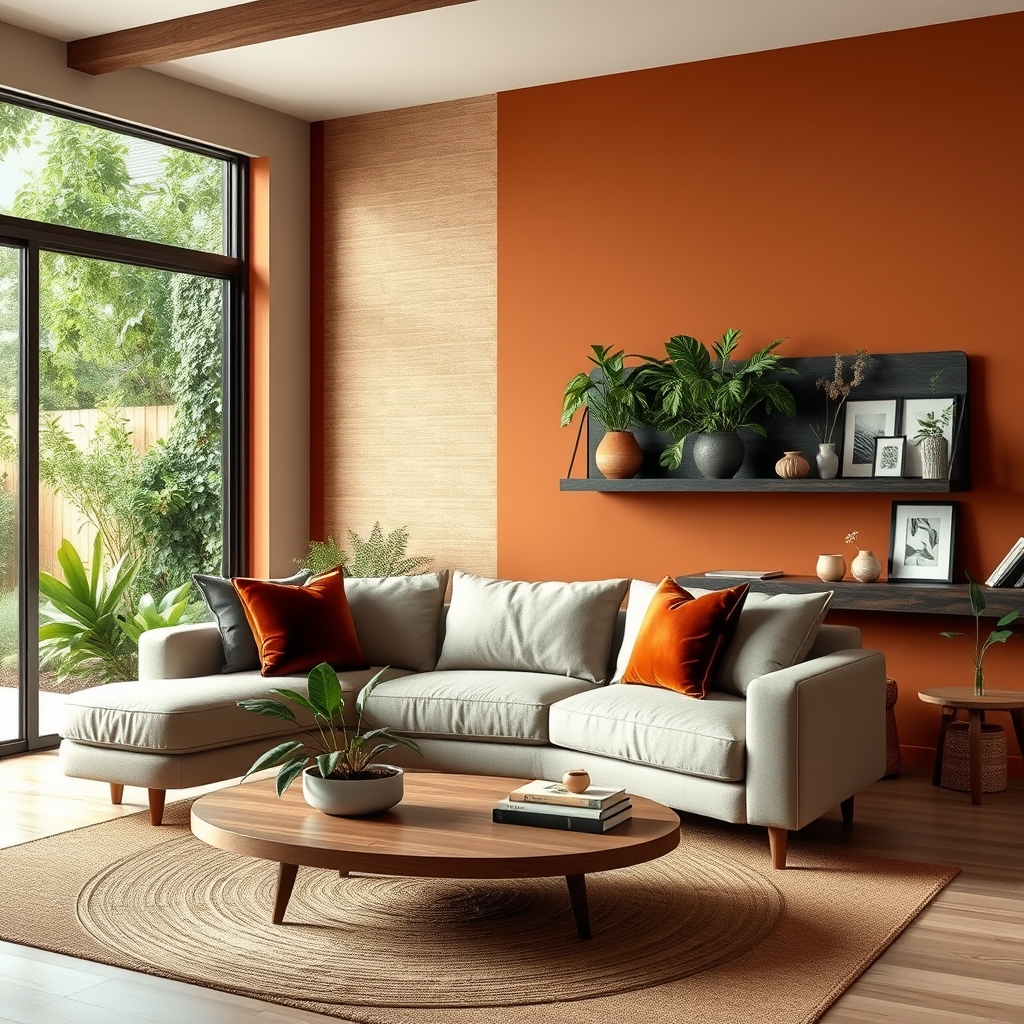
Color sets the tone for any space, and earthy palettes are the cornerstone of sustainable interiors. Think warm terracottas, soft ochres, deep forest greens, and muted clay tones—hues that evoke the natural world. These colors don’t just look beautiful; they also create a sense of calm and grounding, making them ideal for living rooms, bedrooms, and even kitchens.
One of the key benefits of earthy color palettes is their versatility. They pair effortlessly with natural materials like wood, stone, and linen, allowing for a cohesive and organic aesthetic. For example, a living room painted in a soft sage green can be elevated with wooden furniture, woven textiles, and a few carefully placed plants. The result is a space that feels both timeless and inviting, with a color scheme that never goes out of style.
To deepen the connection to nature, consider layering different shades within the same palette. A bedroom might feature walls in a warm taupe, bedding in a muted olive, and accents in a rich umber. This approach adds depth and dimension while maintaining a sense of harmony. Earthy colors also work beautifully with natural light, shifting subtly throughout the day to create a dynamic and ever-changing atmosphere.
Incorporating Textures for Tactile Appeal
While color lays the groundwork, texture brings sustainable interiors to life. Textured wallpapers, for instance, can add visual interest without overwhelming a space. Opt for designs that mimic natural elements, such as grasscloth, linen, or even subtle stone patterns. These materials not only enhance the aesthetic but also contribute to the tactile experience of a room, making it feel more engaging and lived-in.
Furniture and decor play a crucial role in adding texture as well. A velvet accent chair in a deep rust tone can introduce softness and luxury, while a jute rug grounds the space with its natural fibers. Even small details, like matte black hardware on cabinets or floating wall shelves made from reclaimed wood, can elevate the overall design. The key is to mix and match textures in a way that feels intentional and balanced, ensuring that each element contributes to the room’s warmth and character.
Biophilic Decor: Bringing the Outdoors In
Biophilic design is a natural extension of sustainable interior design, focusing on the integration of natural elements into indoor spaces. This approach recognizes the innate human desire to connect with nature and leverages it to create environments that promote well-being, creativity, and relaxation. From indoor garden walls to large windows that frame outdoor views, biophilic decor transforms homes into havens of tranquility.
One of the simplest ways to incorporate biophilic design is through plants. An indoor garden wall, for example, can serve as a living piece of art, purifying the air and adding a vibrant splash of green to any room. For those with limited space, even a few well-placed potted plants can make a difference. Choose low-maintenance varieties like snake plants, pothos, or ferns to keep the look fresh and effortless.
Natural materials are another cornerstone of biophilic decor. Wood, stone, bamboo, and cork are all excellent choices for furniture, flooring, and decor. These materials not only add visual warmth but also create a sensory experience that synthetic alternatives simply can’t match. For instance, a dining table made from reclaimed wood tells a story, adding character and history to the space. Similarly, stone countertops in a kitchen or bathroom bring a touch of organic elegance that feels both timeless and modern.
Lighting and Layout: Enhancing the Biophilic Experience
Lighting plays a pivotal role in biophilic design, as it can mimic the natural rhythms of daylight. Opt for fixtures that provide warm, diffused light, such as pendant lights with woven shades or floor lamps with adjustable brightness. Smart lighting systems can even be programmed to change color temperature throughout the day, aligning with the body’s natural circadian rhythms.
The layout of a space can also enhance its biophilic qualities. Open concept kitchens and living areas, for example, allow for better airflow and natural light, creating a sense of spaciousness and connection. Large windows or glass doors can frame views of the outdoors, blurring the line between inside and outside. Even in smaller spaces, strategic placement of mirrors can reflect natural light and greenery, making the room feel larger and more open.
Creating Multi-Functional Spaces with Sustainable Principles
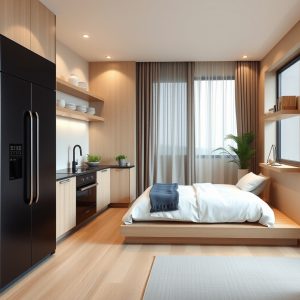
Modern living often demands versatility, and sustainable design is perfectly suited to the challenge of multi-functional spaces. Whether it’s a home office that doubles as a guest room or a living area with hidden storage solutions, the key is to design with flexibility in mind. This not only maximizes the use of space but also reduces the need for excess furniture and materials, aligning with sustainable principles.
Floating wall shelves are a great example of multi-functional design. They provide storage without taking up floor space, and they can be styled with plants, books, or decor to enhance the room’s aesthetic. Similarly, modular furniture, such as sectional sofas with built-in storage, can adapt to different needs, whether it’s hosting guests or creating a cozy reading nook.
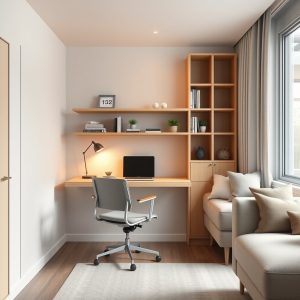
When designing multi-functional spaces, it’s important to keep the earthy color palette and biophilic elements consistent. This ensures that the room feels cohesive, no matter how it’s being used. For instance, a home office might feature a desk made from reclaimed wood, a chair upholstered in natural linen, and a small indoor garden on the windowsill. These elements work together to create a space that is both productive and serene.
Sustainable interior design is not just about making eco-friendly choices—it’s about crafting spaces that nourish the soul and stand the test of time. By embracing earthy color palettes and biophilic decor, homeowners can create interiors that are as kind to the planet as they are to the people who live in them. The result is a home that feels like a true sanctuary, where every element is thoughtfully chosen to inspire, comfort, and connect. Whether it’s the warmth of natural wood, the softness of a velvet accent chair, or the tranquility of an indoor garden wall, these details come together to form a space that is uniquely and beautifully yours.