The Subtle Art of Layered Living: How Textured Walls, Fluted Panels, and Earthy Tones Create Depth in Modern Spaces
In the ever-evolving world of interior design, the quest for depth and dimension has led homeowners and designers alike to explore the power of layered living. Gone are the days of flat, one-dimensional spaces; today’s interiors thrive on tactile richness, organic forms, and a harmonious blend of materials that invite both the eye and the hand to engage. At the heart of this movement lies a thoughtful interplay of textured wall coverings, fluted panels, and earthy color palettes—elements that transform ordinary rooms into immersive sanctuaries of warmth and sophistication.
The Rise of Textured Wall Coverings: Beyond the Flat Surface
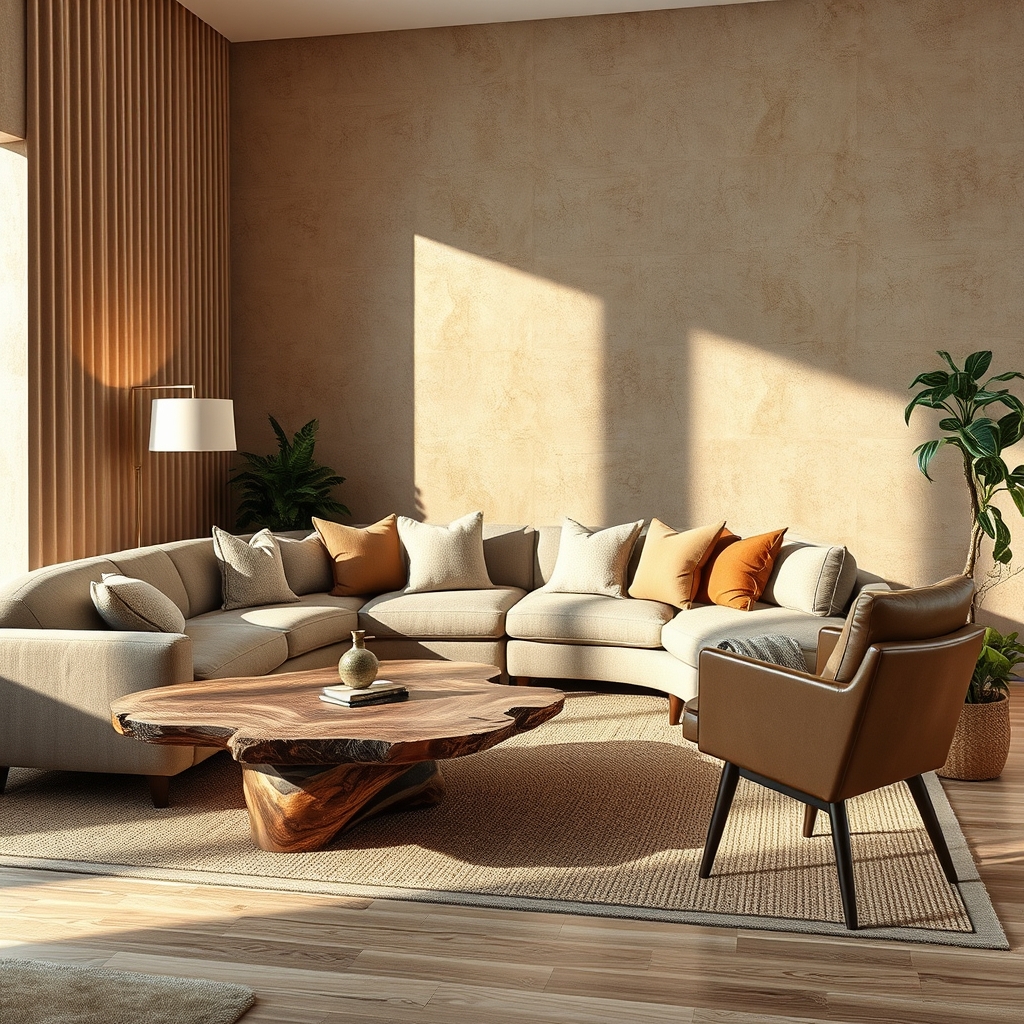
Textured walls have emerged as a cornerstone of modern interior design, offering a dynamic alternative to the sterile smoothness of traditional drywall. From grasscloth weaves to linen-inspired finishes, these coverings introduce an element of tactility that elevates a space from ordinary to extraordinary. The beauty of textured walls lies in their ability to catch and refract light, creating subtle shifts in tone and shadow that add depth without overwhelming the senses.
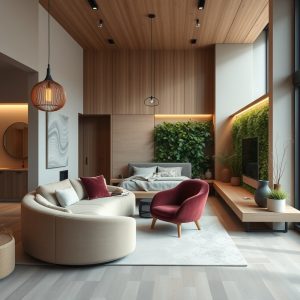
For those drawn to the Japandi aesthetic, textured walls provide the perfect backdrop for minimalist furnishings, allowing the simplicity of clean lines to shine while infusing the room with an understated warmth. Meanwhile, in spaces where biophilic design takes center stage, natural textures like jute or sisal can evoke the raw beauty of the outdoors, fostering a connection to nature that feels both grounding and invigorating. The key is to choose materials that resonate with the overall mood of the room—whether it’s the rustic charm of reclaimed wood paneling or the refined elegance of a hand-troweled plaster finish.
Fluted Panels: The Curves That Define Modern Elegance
Fluted wall panels have surged in popularity, and it’s easy to see why. These vertical grooves, inspired by classical architecture, bring a sense of rhythm and movement to walls, breaking up expanses of flat surface with their gentle undulations. The effect is both architectural and artful, lending a room a sense of structure while softening its edges with organic curves.
In living rooms, fluted panels can serve as a striking backdrop for a curved sofa, creating a dialogue between the furniture and the walls that feels intentional and cohesive. When paired with matte black fittings or brushed brass accents, the panels take on a luxurious edge, adding a touch of drama without sacrificing subtlety. For those who favor a more understated approach, fluted panels in neutral tones like warm taupe or soft gray can enhance a room’s depth while maintaining a serene, uncluttered atmosphere. The versatility of this trend makes it a favorite among designers seeking to balance modernity with timeless appeal.
Earthy Color Palettes: The Foundation of Layered Living
No discussion of depth in interior design would be complete without addressing the role of color. Earthy tones—think terracotta, olive green, deep umber, and muted ochre—form the backbone of layered living, providing a rich, cohesive foundation upon which textures and materials can build. These hues draw inspiration from the natural world, evoking the warmth of sun-baked clay, the tranquility of a forest canopy, or the quiet elegance of weathered stone.
When used thoughtfully, earthy color palettes create a sense of continuity throughout a home, tying together disparate elements like vintage aesthetic accents and multi-functional furniture. In a Japandi-inspired living room, for example, a palette of warm whites, soft browns, and muted greens can enhance the minimalist ethos while adding layers of visual interest. For those who lean toward biophilic design, deeper earth tones can anchor a space, allowing indoor plants and natural wood finishes to take center stage without competing for attention. The result is a room that feels both lived-in and intentional, where every hue tells a story of connection to the earth.
Bringing It All Together: The Art of Thoughtful Layering
Layered living is not about clutter or excess; it’s about curating a space with intention, where each element serves a purpose—whether functional, aesthetic, or emotional. Start with a neutral base, such as a textured wall covering in a soft, earthy tone, and build from there. Introduce fluted panels to add architectural interest, then layer in furnishings that echo the room’s organic forms, like a curved sofa or a live-edge coffee table. Incorporate vintage accents, such as a mid-century modern lamp or a weathered leather armchair, to infuse the space with character and history.
Lighting plays a crucial role in highlighting the depth of a layered space. Smart lighting control systems allow you to adjust the ambiance to suit the time of day or the mood you wish to create. Warm, dimmable lights can enhance the coziness of a reading nook, while brighter, cooler tones might be reserved for areas where functionality is key, such as a hidden kitchen storage space. The interplay of light and shadow will further accentuate the textures and curves in the room, making the space feel alive and dynamic.
As you explore the possibilities of layered living, remember that the most compelling spaces are those that reflect the people who inhabit them. Whether you’re drawn to the serene simplicity of Japandi design, the bold statements of maximalist gallery walls, or the organic beauty of biophilic interiors, the key is to create a home that feels authentically yours. By embracing textured walls, fluted panels, and earthy tones, you’re not just decorating a room—you’re crafting an experience, one that invites you to slow down, breathe deeply, and savor the beauty of the everyday.