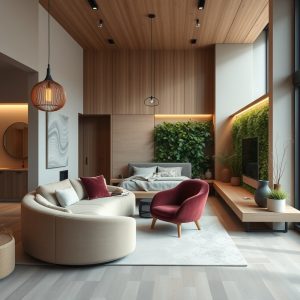
Garage Conversion Studio: Turning Underutilized Space into a Creative Haven
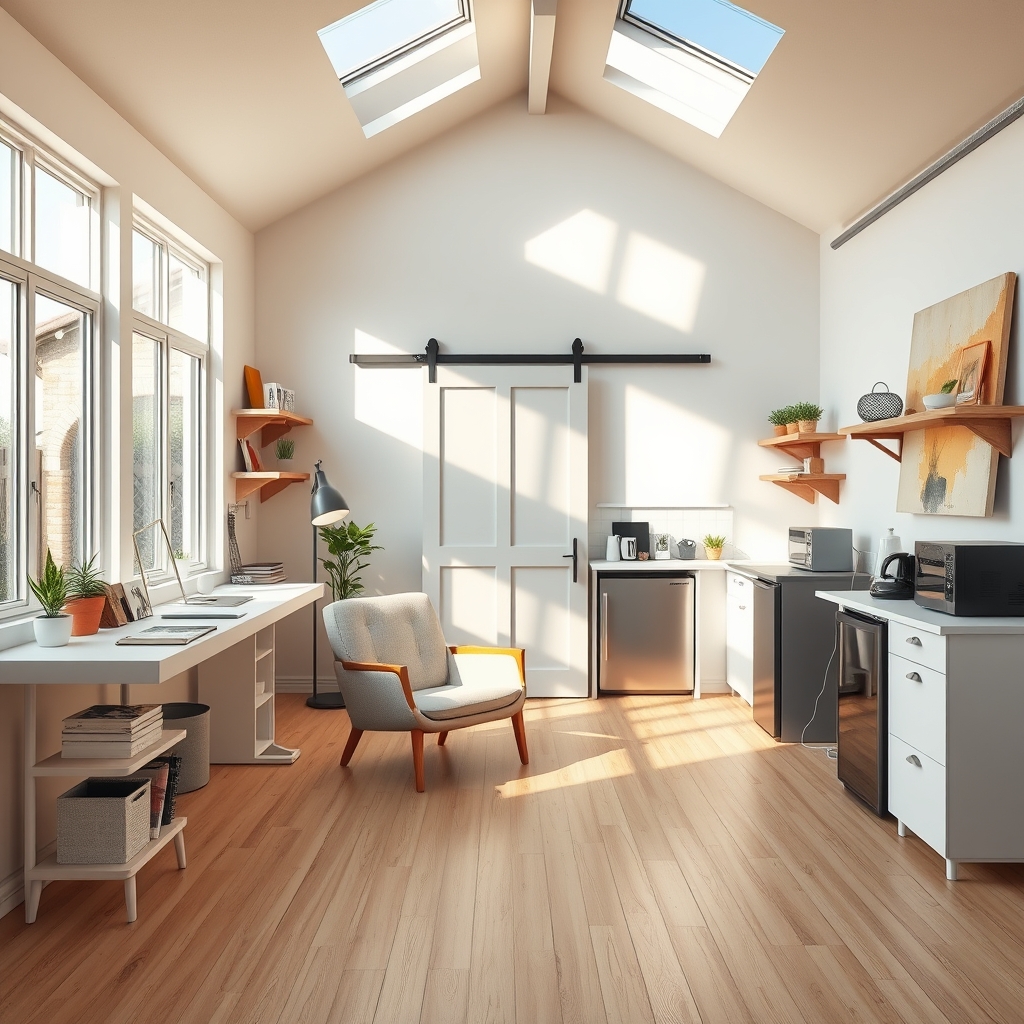
For many homeowners, the garage serves as little more than a storage unit for seasonal decorations, old sports equipment, or the occasional project that never quite gets finished. Yet, with a bit of vision and planning, this underutilized space can be transformed into a functional and inspiring studio—whether for art, music, home office work, or even a cozy guest retreat. A garage conversion studio is one of the most cost-effective ways to add square footage to your home without the expense of a full addition, and it can significantly boost your property’s value and livability.
The Appeal of a Garage Conversion Studio
Unlike traditional home additions, converting a garage requires minimal structural changes, especially if the space is already enclosed and weatherproofed. This makes it a budget-friendly alternative to building from scratch. The average cost of a garage conversion ranges from $10,000 to $30,000, depending on the level of finish, insulation, and utilities required—far less than the $50,000 to $100,000 often quoted for new construction. Additionally, because garages are typically detached or semi-detached from the main living areas, they offer a quiet, secluded environment ideal for focus and creativity.
Beyond the financial benefits, a garage studio can also enhance your daily life. Imagine stepping into a dedicated space where you can paint, write, compose, or craft without the distractions of household chores or family activities. For remote workers, it provides a clear boundary between professional and personal life, improving productivity and work-life balance. And for those who frequently host guests, a converted garage can serve as a private, comfortable retreat with all the amenities of a small apartment.
Key Considerations Before You Begin
Before diving into the renovation, it’s essential to assess a few critical factors to ensure your garage conversion studio meets your needs and complies with local regulations. First, check your city’s zoning laws and building codes. Some municipalities restrict how garages can be used, particularly if they’re being converted into living spaces. You may need permits for electrical, plumbing, or structural modifications, so it’s wise to consult with a contractor or architect early in the process.
Next, evaluate the condition of the existing structure. Garages are often built with minimal insulation, poor ventilation, and concrete floors, which can make them uncomfortable year-round. Addressing these issues upfront will save you time and money in the long run. For example, adding insulation to walls and ceilings will regulate temperature, while proper ventilation—such as windows, vents, or an HVAC system—will prevent moisture buildup and improve air quality. If the concrete floor is cracked or uneven, consider covering it with a subfloor and durable flooring like luxury vinyl plank, engineered wood, or polished concrete.
Designing for Function and Comfort
The beauty of a garage conversion studio lies in its versatility, but that also means you’ll need to tailor the design to your specific needs. Start by defining the primary purpose of the space. Will it be an art studio with ample natural light and storage for supplies? A music studio with soundproofing and acoustic treatments? Or a home office with ergonomic furniture and built-in shelving? Once you’ve identified the function, you can prioritize features accordingly.
Lighting is one of the most critical elements in any studio. Garages often lack sufficient natural light, so consider adding skylights, large windows, or glass doors to brighten the space. For artificial lighting, opt for a mix of ambient, task, and accent lighting to create a layered effect. LED strip lights under shelves or along baseboards can add a modern touch while improving visibility for detailed work. If your studio will be used for creative pursuits, adjustable lighting with color temperature controls can help set the mood and reduce eye strain.
Maximizing Space with Smart Storage Solutions
Garages are typically compact, so efficient storage is key to keeping the space organized and clutter-free. Built-in cabinets, wall-mounted shelves, and pegboards are excellent options for maximizing vertical space. For artists or crafters, consider installing a large workbench with drawers or a rolling cart that can be tucked away when not in use. If your studio will double as a guest retreat, a Murphy bed or sofa bed can provide sleeping accommodations without sacrificing floor space during the day.
Don’t overlook the potential of multi-functional furniture. A desk that folds down from the wall, a storage ottoman that doubles as seating, or a bookshelf that serves as a room divider can all help you make the most of a small footprint. Additionally, using light colors for walls and furniture can create the illusion of a larger space, while mirrors can reflect light and add depth.
Eco-Friendly Upgrades for a Sustainable Studio
Converting a garage into a studio presents an excellent opportunity to incorporate sustainable materials and energy-efficient features. Start with insulation—opt for eco-friendly options like recycled denim, sheep’s wool, or cellulose, which are just as effective as traditional fiberglass but have a lower environmental impact. For flooring, consider reclaimed wood, bamboo, or cork, all of which are renewable and durable. If you’re adding windows or doors, choose double- or triple-pane glass with low-emissivity (Low-E) coatings to improve thermal performance and reduce energy costs.
Heating and cooling are often the biggest energy drains in a garage studio, so explore efficient solutions like a mini-split heat pump, which provides both heating and cooling without the need for ductwork. Solar panels are another great addition, especially if your garage has a south-facing roof. Even a small solar array can offset the energy consumption of your studio, making it a net-zero or near-net-zero space. For lighting, stick with LED bulbs, which use up to 80% less energy than incandescent bulbs and last significantly longer.
Bringing Your Vision to Life
Once you’ve finalized the design and gathered the necessary permits, it’s time to bring your garage conversion studio to life. If you’re handy, you may be able to tackle some of the work yourself, such as painting, installing flooring, or assembling furniture. However, for tasks like electrical wiring, plumbing, or structural modifications, it’s best to hire a licensed professional to ensure safety and compliance with building codes.
As you begin the renovation, keep an eye on the details that will make the space truly yours. Personal touches like artwork, plants, or a cozy rug can transform a generic studio into a warm and inviting retreat. If your budget allows, consider adding a small kitchenette or bathroom to make the space fully self-sufficient. Even a compact wet bar with a mini-fridge, microwave, and sink can add convenience and functionality.
A garage conversion studio is more than just a home improvement project—it’s an investment in your creativity, productivity, and well-being. By thoughtfully designing a space that reflects your needs and values, you can turn an overlooked part of your home into a sanctuary that inspires and rejuvenates. Whether you’re an artist, a remote worker, or simply someone in need of extra space, the possibilities are as limitless as your imagination, and the rewards will be felt for years to come.