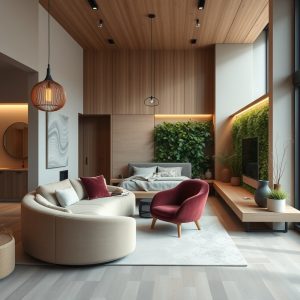
The Intersection of Warmth and Wisdom: Designing a Dark Academia Study with Japandi Simplicity and Biophilic Touches
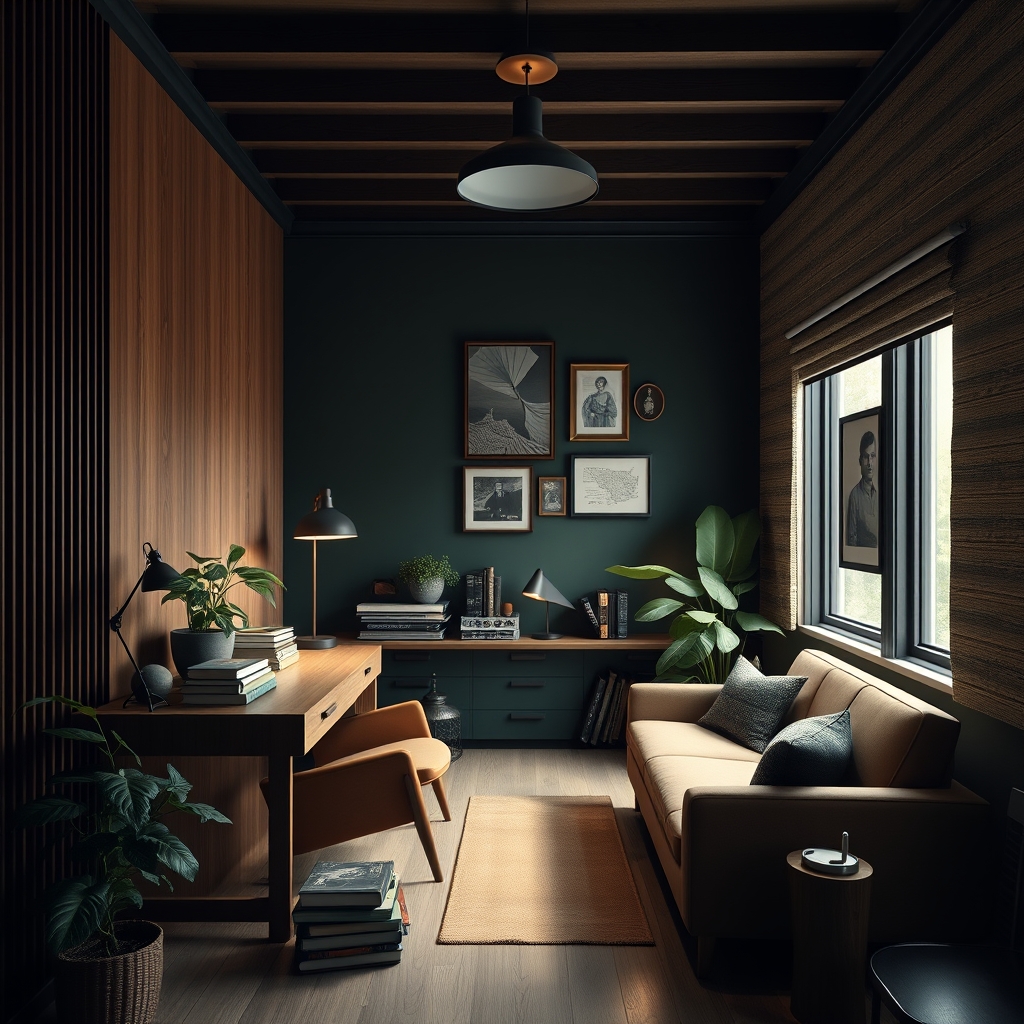
In the ever-evolving landscape of interior design, the fusion of contrasting aesthetics often yields the most compelling results. One such harmonious blend is the union of Dark Academia—a style steeped in intellectual charm, rich textures, and moody hues—with the serene minimalism of Japandi design and the organic warmth of biophilic elements. This unexpected pairing creates a space that is both a sanctuary for the mind and a feast for the senses, where every detail invites contemplation and comfort.
The Essence of Dark Academia
Dark Academia is more than just a design trend; it’s a lifestyle aesthetic that celebrates the pursuit of knowledge, the beauty of vintage literature, and the allure of scholarly environments. Think dimly lit libraries, leather-bound books, and antique furniture that tells a story. The color palette is dominated by deep, earthy tones like charcoal, forest green, burnt umber, and oxblood, evoking a sense of timeless elegance. However, the challenge lies in preventing these rich hues from overwhelming a space, which is where Japandi simplicity and biophilic design step in to soften and balance the aesthetic.
Japandi Simplicity: The Art of Less
Japandi design, a fusion of Japanese and Scandinavian influences, is rooted in minimalism, functionality, and a deep respect for natural materials. Its principles—clean lines, uncluttered spaces, and a neutral color palette—serve as the perfect counterbalance to the intensity of Dark Academia. By incorporating Japandi elements into a Dark Academia study, you create a space that feels both intellectually stimulating and calming. Opt for furniture with sleek, understated silhouettes, such as a low-profile wooden desk or a streamlined bookshelf with hidden storage. The key is to choose pieces that are as functional as they are beautiful, ensuring the space remains practical for daily use.
Earthy Color Palettes: Bridging the Gap
The color palette is where Dark Academia and Japandi design find common ground. While Dark Academia leans into deep, moody tones, Japandi embraces softer, earthy hues like warm beige, soft taupe, and muted terracotta. By blending these palettes, you create a space that feels grounded and inviting. For instance, pair a dark green velvet armchair with a light oak desk or balance a charcoal-colored bookshelf with linen curtains in a soft, natural tone. The interplay of light and dark not only adds visual interest but also ensures the space feels balanced and harmonious.
Biophilic Design: Bringing the Outdoors In
Biophilic design, which seeks to connect occupants with nature, is the final piece of the puzzle. In a Dark Academia study, biophilic elements can soften the intensity of the space while enhancing its intellectual ambiance. Incorporate indoor plants like snake plants, fiddle-leaf figs, or pothos to add a touch of greenery and improve air quality. Natural materials such as wood, stone, and rattan can be used for furniture, decor, and even wall coverings to create a tactile, organic feel. Large windows or strategically placed mirrors can maximize natural light, making the space feel more open and airy despite its dark color palette.
Textured Wall Coverings and Fluted Panels
Texture plays a crucial role in bringing depth and warmth to a Dark Academia study. Consider incorporating textured wall coverings like grasscloth, linen, or even subtle geometric patterns to add visual interest without overwhelming the space. Fluted wall panels, a popular trend in modern interior design, can also be used to create a sense of rhythm and movement. These panels, often made from wood or MDF, add a touch of sophistication while maintaining the minimalist aesthetic of Japandi design. For a more dramatic effect, opt for panels in a dark stain or paint them in a deep, moody hue to complement the overall color palette.
Multi-Functional Furniture: The Key to Practicality
A well-designed study should be as functional as it is beautiful. Multi-functional furniture is essential in a space where every square inch counts. Consider a desk with built-in storage, such as drawers or shelves, to keep clutter at bay. A curved sofa or a pair of armchairs can create a cozy reading nook, while a modular bookshelf can be customized to fit the space’s unique dimensions. Hidden storage solutions, like ottomans with built-in compartments or wall-mounted cabinets, can help maintain the minimalist aesthetic while providing ample space for books, stationery, and other essentials.
Smart Lighting Control: Setting the Mood
Lighting is a critical component of any Dark Academia study, as it sets the tone for the space. Smart lighting control allows you to adjust the ambiance with ease, whether you’re reading, writing, or simply relaxing. Opt for warm, dimmable lights to create a cozy, inviting atmosphere. Layered lighting, such as a combination of overhead fixtures, task lighting, and accent lights, can add depth and dimension to the space. Consider installing smart bulbs that can be controlled via an app or voice assistant, allowing you to adjust the color temperature and brightness to suit your mood.
Vintage Aesthetic Accents: Adding Character
No Dark Academia study is complete without a touch of vintage charm. Vintage aesthetic accents, such as antique globes, old maps, or vintage typewriters, can add a sense of history and personality to the space. Thrift stores, flea markets, and online marketplaces are great places to find unique pieces that tell a story. When incorporating vintage decor, focus on quality over quantity. A single statement piece, like a vintage leather armchair or an antique wooden desk, can elevate the space without overwhelming it. Pair these pieces with modern, minimalist furniture to create a balanced, eclectic look.
Indoor Plant Styling: A Breath of Fresh Air
Indoor plants are more than just decor; they’re a vital component of biophilic design. In a Dark Academia study, plants can soften the space’s intensity while adding a touch of life and color. Opt for low-maintenance plants like snake plants, ZZ plants, or pothos, which thrive in indoor environments. For a more dramatic effect, consider larger plants like a fiddle-leaf fig or a monstera, which can serve as a focal point in the room. Group plants of varying heights and textures to create a dynamic, layered look. Don’t forget to incorporate planters that complement the space’s aesthetic—think ceramic pots in earthy tones or woven baskets for a touch of warmth.
Designing a Dark Academia study with Japandi simplicity and biophilic touches is about striking the perfect balance between warmth and wisdom. It’s a space where intellectual pursuits are celebrated, but not at the expense of comfort and tranquility. By blending rich, moody hues with natural materials, clean lines, and thoughtful decor, you create a sanctuary that nourishes both the mind and the soul. Whether you’re curling up with a classic novel or penning your next masterpiece, this harmonious fusion of styles ensures your study is a place where creativity and calm coexist effortlessly.