The Future of Living: How Multi-Functional Furniture and Smart Lighting Are Shaping Sustainable Homes
In an era where urban living spaces are shrinking and environmental consciousness is rising, the way we design our homes is undergoing a quiet revolution. The modern home is no longer just a place of rest—it’s a dynamic, adaptable sanctuary that balances aesthetics, functionality, and sustainability. At the heart of this transformation lies the fusion of multi-functional furniture and smart lighting control, two trends that are redefining how we interact with our living spaces while minimizing our ecological footprint.
The Rise of Multi-Functional Furniture: Form Meets Function
The days of static, single-purpose furniture are fading. Today’s homeowners crave pieces that do more with less, seamlessly adapting to their evolving needs. Multi-functional furniture is the answer—a design philosophy that prioritizes versatility without compromising on style. Think of a sleek, low-profile sofa that transforms into a guest bed with a simple pull, or a coffee table that rises to dining height with the touch of a button. These innovations are not just about saving space; they’re about enhancing the way we live.
One of the most exciting developments in this space is the integration of hidden storage solutions. Ottomans with built-in compartments, beds with under-frame drawers, and wall-mounted desks that fold away when not in use are just a few examples of how designers are maximizing utility. In Japandi-inspired living rooms, where simplicity and functionality reign, these pieces blend effortlessly into the aesthetic, offering a clutter-free environment that feels both serene and intentional.
But the true magic of multi-functional furniture lies in its ability to evolve with us. A modular bookshelf that doubles as a room divider can adapt to changing layouts, while a bench with built-in shoe storage serves as both seating and organization. These pieces are not just furniture—they’re problem-solvers, designed to make everyday life smoother and more efficient.
Smart Lighting: The Invisible Hand of Modern Design
Lighting has always been a cornerstone of interior design, but the advent of smart lighting control has elevated it to an art form. No longer confined to static fixtures, modern lighting systems are dynamic, responsive, and deeply personal. With the tap of a smartphone or the sound of a voice command, homeowners can adjust brightness, color temperature, and even the direction of light to suit any mood or activity.
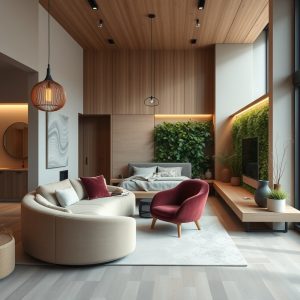
One of the most compelling aspects of smart lighting is its ability to enhance well-being. Biophilic interior design, which seeks to connect occupants with nature, is beautifully complemented by lighting that mimics the natural progression of daylight. Warm, golden hues in the morning can gently wake you, while cooler, brighter tones during the day boost productivity. In the evening, dimmable lights with soft, earthy color palettes create a cozy atmosphere, perfect for unwinding in a reading nook or entertaining guests.
Smart lighting also plays a crucial role in sustainability. Energy-efficient LED bulbs, motion sensors, and automated schedules ensure that lights are only on when needed, reducing waste and lowering electricity bills. Some systems even integrate with solar panels or smart grids, allowing homeowners to monitor and optimize their energy consumption in real time. It’s a small change with a big impact—one that aligns perfectly with the growing demand for sustainable home decor.
Curved Sofas and Organic Shapes: Softening the Modern Home
While functionality is key, modern design hasn’t abandoned beauty. The rise of curved sofas and organic shapes in furniture is a testament to the desire for warmth and fluidity in our living spaces. Unlike the sharp lines of mid-century modern design, these pieces invite relaxation and conversation, creating a sense of flow that makes rooms feel more open and inviting.
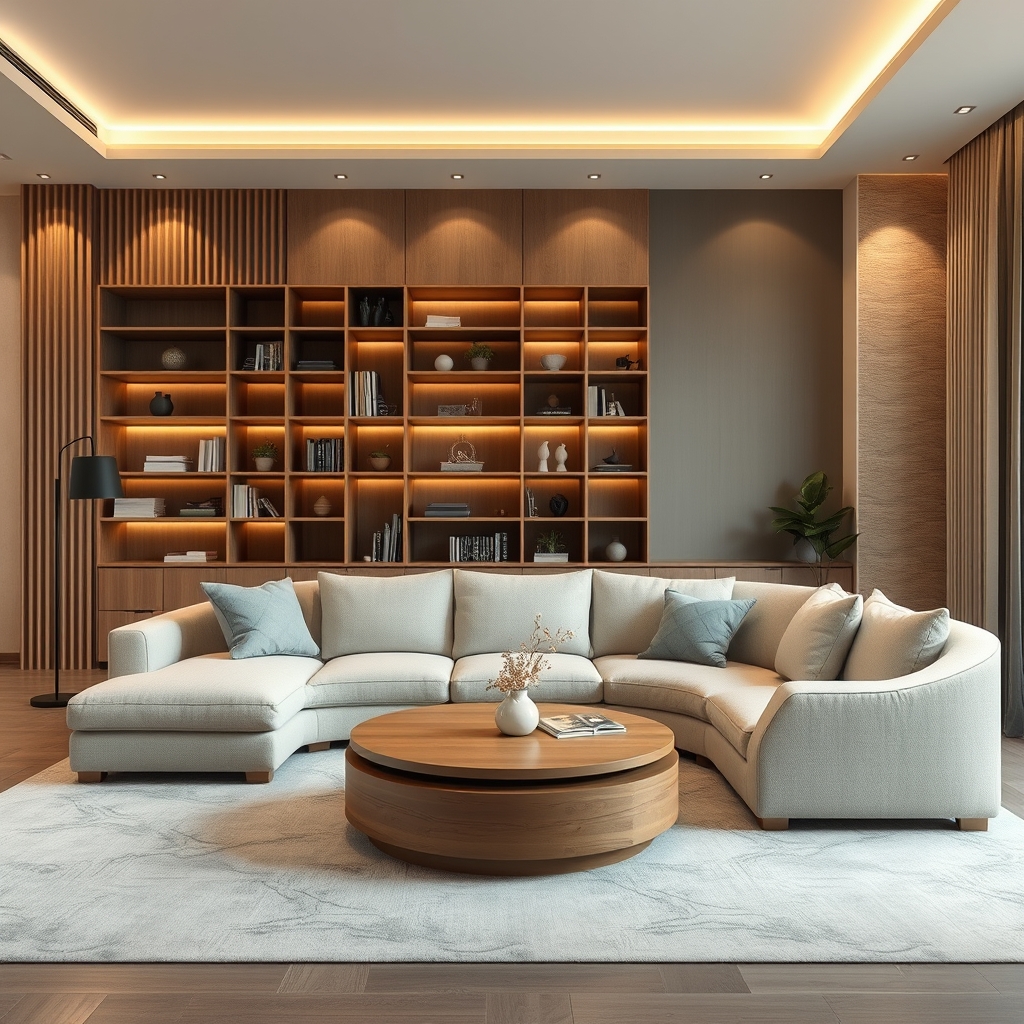
In a Japandi living room, a curved sofa paired with a round coffee table can soften the minimalist aesthetic, adding a touch of elegance without clutter. The same principle applies to fluted wall panels and textured wall coverings, which introduce depth and tactile interest to otherwise sleek spaces. These elements work together to create a home that feels both modern and timeless—a place where form and function coexist harmoniously.
Bringing It All Together: A Home That Adapts and Inspires
The future of home design is not about choosing between aesthetics and functionality—it’s about finding the sweet spot where the two intersect. Multi-functional furniture and smart lighting are just the beginning. As technology advances and our understanding of sustainable living deepens, we can expect even more innovations that make our homes smarter, greener, and more beautiful.
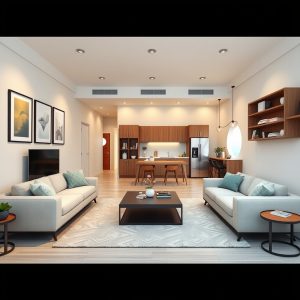
Imagine a living room where your sofa doubles as a guest bed, your lighting adjusts to your circadian rhythm, and every piece of furniture serves a purpose beyond its primary function. This is the promise of modern design—a home that adapts to your life, rather than the other way around. It’s not just about creating a space that looks good; it’s about crafting an environment that feels good, too. A place where every detail, from the earthy color palette on the walls to the hidden storage in your coffee table, works together to create a sanctuary that is as functional as it is inspiring.
As we move forward, the homes we design will reflect not just our tastes, but our values. Sustainability, adaptability, and well-being will continue to shape the way we live, and the spaces we create will be all the better for it. The future of living isn’t just about keeping up with trends—it’s about designing homes that grow with us, nurture us, and inspire us to live better, every day.