
Energy Efficient Window Replacement: Slash Bills and Boost Comfort with Smart Upgrades
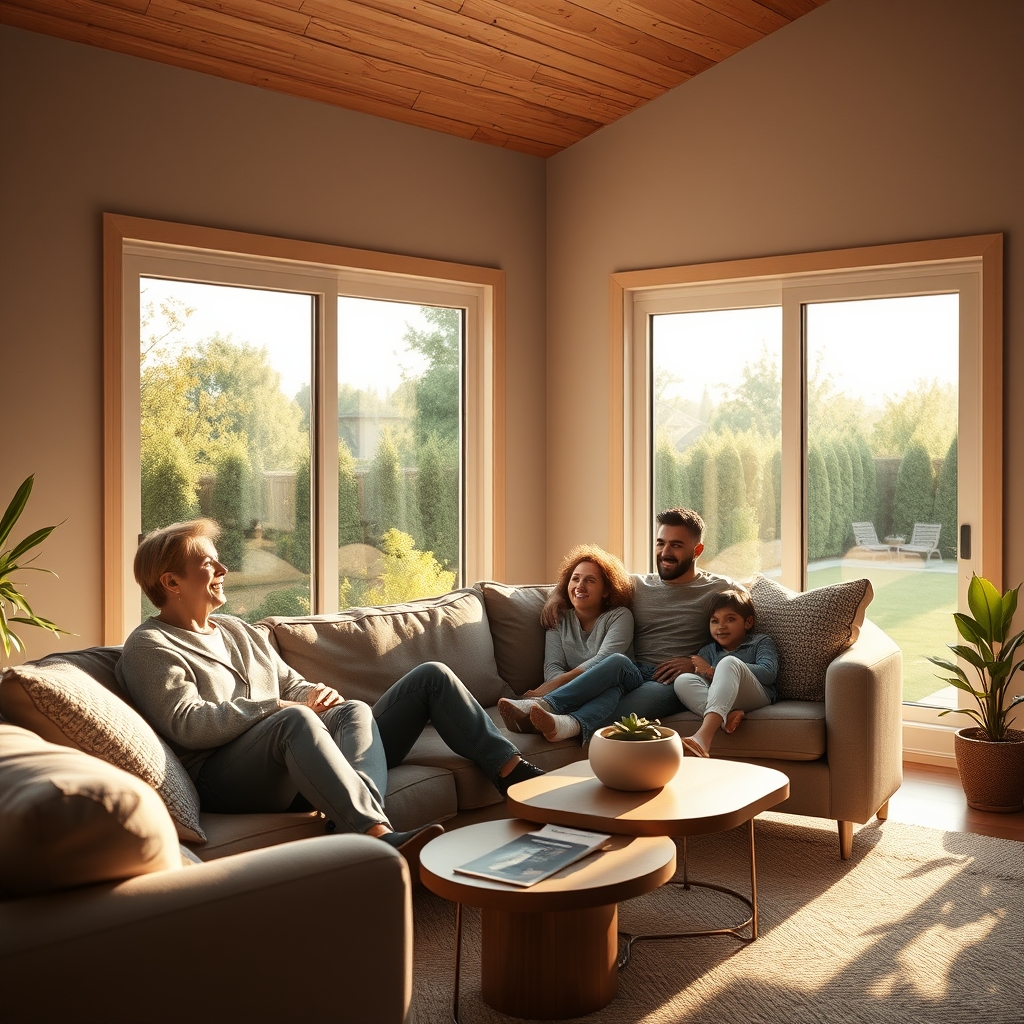
Replacing your home’s windows might not be the most glamorous upgrade, but it’s one of the smartest investments you can make. Old, drafty windows are silent energy thieves, forcing your heating and cooling systems to work overtime while driving up utility bills. The good news? Modern energy-efficient windows don’t just pay for themselves over time—they enhance comfort, reduce noise, and even increase your home’s resale value. If you’ve been putting off this upgrade, now is the perfect time to explore how a simple window replacement can transform your living space.
The Hidden Costs of Inefficient Windows
Most homeowners don’t realize how much energy is lost through outdated windows. According to the U.S. Department of Energy, heat gain and loss through windows account for 25%–30% of residential heating and cooling energy use. Single-pane windows, common in older homes, offer little insulation, while even double-pane windows installed decades ago may have degraded seals or outdated glazing. The result? Drafts in winter, overheated rooms in summer, and a thermostat that never seems to keep up.
Beyond energy waste, inefficient windows create uncomfortable hot and cold spots near glass surfaces, making rooms feel less inviting. Condensation buildup can also lead to mold growth, damaging window frames and compromising indoor air quality. If you’ve noticed fogging between panes, difficulty opening or closing windows, or a spike in energy bills, it’s a clear sign that your windows are past their prime.
How Energy-Efficient Windows Work
Today’s energy-efficient windows are engineered with advanced technologies designed to minimize heat transfer. The key features to look for include:
Low-Emissivity (Low-E) Coatings
Low-E coatings are microscopically thin, virtually invisible layers of metallic oxide applied to the glass. They reflect infrared light (heat) while allowing visible light to pass through. In winter, Low-E coatings keep warmth inside by reflecting it back into the room. In summer, they block heat from entering, reducing the load on your air conditioning. This single feature can improve a window’s insulating performance by up to 50%.
Double or Triple Glazing
Multiple layers of glass separated by gas-filled spaces (usually argon or krypton) create a barrier that slows heat transfer. Double-pane windows are the standard for most climates, while triple-pane windows offer superior insulation for extreme temperatures. The gas between the panes is denser than air, further enhancing thermal performance.
Warm Edge Spacers
Traditional aluminum spacers conduct heat, creating a thermal bridge at the window’s edge. Warm edge spacers, made from materials like silicone foam or thermoplastic, reduce heat loss and prevent condensation. This small detail can make a noticeable difference in a window’s overall efficiency.
Frame Materials Matter
The frame material plays a crucial role in a window’s performance. Vinyl frames are affordable, low-maintenance, and offer excellent insulation. Fiberglass frames are durable and expand/contract minimally with temperature changes, ensuring a tight seal. Wood frames provide classic aesthetics and natural insulation but require more upkeep. For a balance of durability and efficiency, consider composite frames, which combine wood fibers with polymers for a strong, weather-resistant option.
Choosing the Right Windows for Your Climate
Not all energy-efficient windows are created equal. The best choice depends on your local climate and specific needs. The National Fenestration Rating Council (NFRC) label provides standardized performance metrics to help you compare options:
U-Factor
The U-factor measures how well a window prevents heat from escaping. Lower numbers indicate better insulation. In cold climates, aim for a U-factor of 0.30 or below. In warmer regions, a slightly higher U-factor may be acceptable if paired with a low solar heat gain coefficient (SHGC).
Solar Heat Gain Coefficient (SHGC)
SHGC measures how much solar radiation enters through the window. In hot climates, a low SHGC (0.25 or below) helps block unwanted heat. In colder regions, a higher SHGC can harness passive solar heat, reducing reliance on your furnace.
Visible Transmittance (VT)
VT indicates how much natural light the window allows in. A higher VT means more daylight, which can reduce the need for artificial lighting. However, balance this with SHGC to avoid overheating in sunny climates.
Air Leakage (AL)
AL measures how much air passes through gaps in the window assembly. Lower numbers mean fewer drafts. Look for windows with an AL rating of 0.30 or below for optimal performance.
Maximizing Your Investment
Replacing windows is a significant upfront cost, but the long-term savings and comfort improvements make it worthwhile. To get the most out of your investment:
Prioritize High-Traffic Areas
Start with rooms where you spend the most time, such as the living room, kitchen, or master bedroom. South-facing windows receive the most sunlight, so upgrading these first can yield the biggest energy savings.
Explore Incentives and Rebates
Many utility companies, state governments, and federal programs offer rebates or tax credits for energy-efficient window replacements. The Database of State Incentives for Renewables & Efficiency (DSIRE) is a great resource to find local incentives. These programs can offset 10%–30% of the project cost, making the upgrade more affordable.
Don’t Overlook Installation
Even the best windows won’t perform well if installed improperly. Poor installation can lead to air leaks, water intrusion, and reduced efficiency. Hire a reputable contractor with experience in energy-efficient installations. Look for certifications like the American Window and Door Institute (AWDI) or the Window and Door Manufacturers Association (WDMA) to ensure quality workmanship.
Consider Additional Upgrades
Pairing window replacement with other energy-efficient upgrades can amplify your savings. Adding insulation to walls and attics, sealing air leaks, or upgrading to a smart thermostat can further reduce energy waste. If you’re planning a larger renovation, such as an open-concept floor plan or bathroom remodel, coordinate these projects to minimize disruption and maximize efficiency.
Energy-efficient windows are more than just a functional upgrade—they’re a gateway to a more comfortable, sustainable home. By reducing energy waste, you’re not only cutting costs but also shrinking your carbon footprint. The initial investment may seem daunting, but the payoff in comfort, savings, and environmental impact makes it a decision you won’t regret. As you watch your utility bills drop and your home’s value rise, you’ll realize that sometimes the most impactful upgrades are the ones you can’t see—but can certainly feel.