The Modern Home as a Sanctuary: How Biophilic Decor and Multi-Functional Spaces Cultivate Well-Being
In an era where the boundaries between work, leisure, and personal space blur more than ever, the modern home has evolved into something far greater than just a place of refuge. It has become a sanctuary—a space that nurtures well-being, fosters creativity, and reconnects us with the natural world. The fusion of biophilic design principles with the ingenuity of multi-functional spaces offers a blueprint for creating interiors that are not only aesthetically pleasing but also deeply restorative. This approach transcends trends, inviting a sense of harmony and balance that resonates with the rhythms of daily life.
The Philosophy of Biophilic Design
Biophilic design is more than just a buzzword; it is a philosophy rooted in the innate human connection to nature. The term “biophilia,” coined by biologist Edward O. Wilson, describes the instinctive bond between humans and other living systems. In interior design, this translates to incorporating natural elements, materials, and patterns into living spaces to evoke the tranquility and vitality of the outdoors. Think of the dappled light filtering through leaves, the soothing sound of water, or the organic textures of wood and stone—these are the building blocks of biophilic decor.
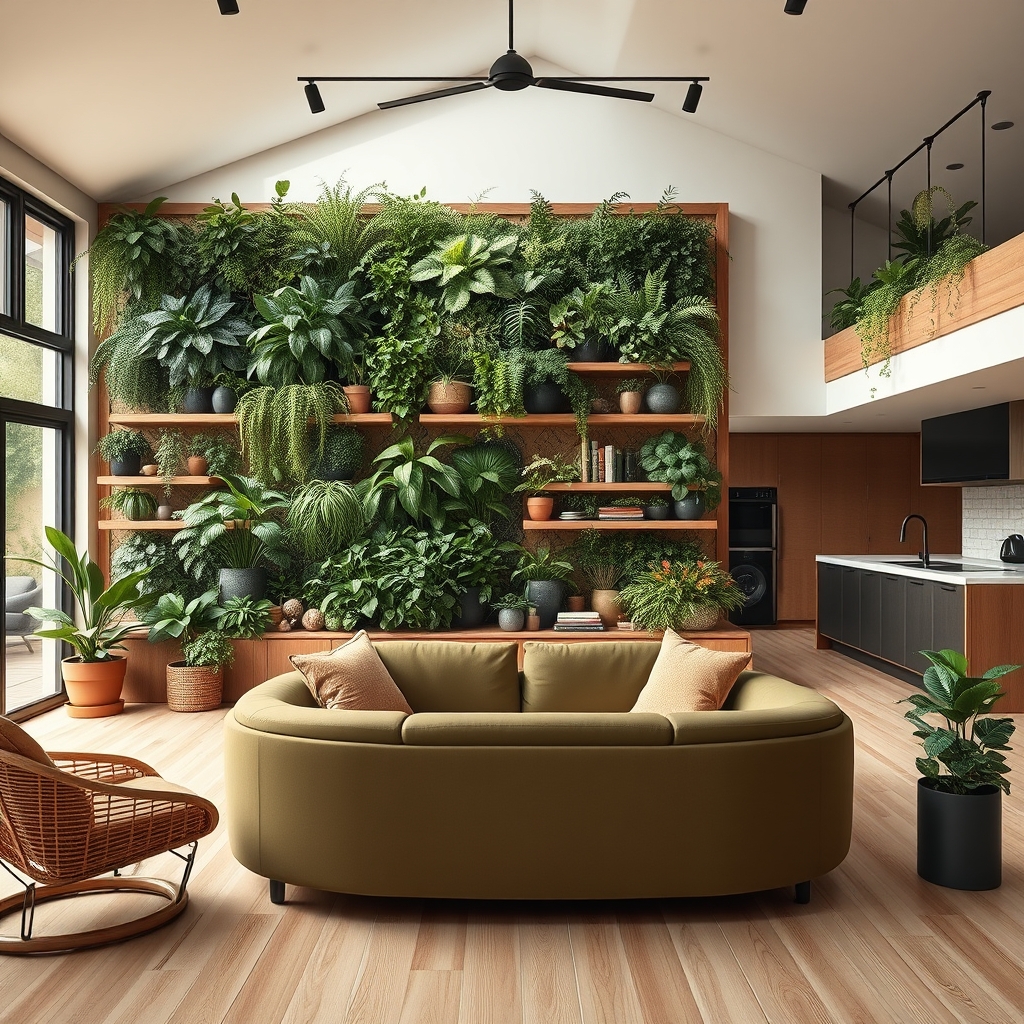
One of the most striking ways to embrace biophilic design is through the integration of indoor garden walls. These living installations do more than just add a splash of greenery; they purify the air, reduce stress, and create a dynamic focal point that evolves with the seasons. Pairing these with earthy color palettes—think warm terracottas, soft moss greens, and muted ochres—enhances the connection to nature, making spaces feel grounded and inviting. The result is an environment that feels alive, breathing with the same energy as the natural world outside.
Bringing Nature Indoors with Thoughtful Details
Biophilic design isn’t limited to grand gestures like indoor gardens. It can be woven into the fabric of a home through subtle, intentional details. Textured wallpapers that mimic the grain of wood or the undulating patterns of sand dunes can add depth and warmth to a room. Natural materials like rattan, jute, and linen introduce tactile elements that engage the senses, while large windows or skylights invite natural light to dance across surfaces, shifting with the time of day.
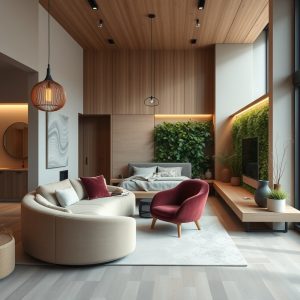
Even the choice of furniture can reinforce this connection. Curved sofa designs, inspired by the organic shapes found in nature, soften the angular lines of modern architecture, creating a sense of flow and movement. Velvet accent chairs in deep, earthy tones—such as olive green or burnt sienna—add a layer of luxury while echoing the richness of the natural world. These elements work together to create a space that feels cohesive, calming, and inherently human.
The Art of Multi-Functional Spaces
As urban living spaces shrink and the demands of modern life grow, the need for versatility in home design has never been more pressing. Multi-functional spaces are the answer—a clever way to maximize utility without sacrificing style. The key lies in thoughtful planning and innovative solutions that allow a single area to serve multiple purposes seamlessly. Whether it’s a home office that doubles as a guest room or a kitchen island that transforms into a dining table, these spaces adapt to the ever-changing needs of their inhabitants.
Hidden storage solutions play a pivotal role in this approach. Floating wall shelves, for instance, offer a minimalist way to display decor while keeping clutter at bay. They can be customized to fit any space, from a cozy reading nook to a bustling open-concept kitchen, providing both functionality and aesthetic appeal. Similarly, built-in cabinetry and under-stair storage ensure that every inch of a room is utilized efficiently, maintaining a clean, uncluttered look that is essential to modern living.
Designing for Flexibility and Flow
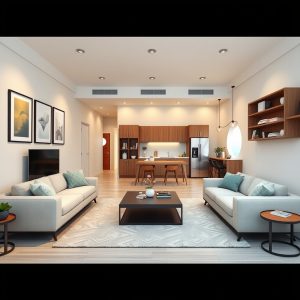
The beauty of multi-functional spaces lies in their ability to evolve. A living room, for example, can be designed to accommodate everything from morning yoga sessions to evening movie nights. Modular furniture, such as sectional sofas with movable components, allows for easy reconfiguration, while statement lighting fixtures—like a sculptural pendant or an adjustable floor lamp—can define different zones within a room. The goal is to create a space that feels open and adaptable, where form and function coexist in perfect harmony.
Open-concept kitchens are another prime example of this philosophy in action. By removing barriers between the kitchen, dining, and living areas, these spaces encourage interaction and fluidity. They become the heart of the home, where cooking, entertaining, and relaxing all happen in one cohesive environment. Smart kitchen technology, such as touchless faucets and energy-efficient appliances, further enhances the functionality of these spaces, making them as practical as they are beautiful.
The Intersection of Well-Being and Design
At its core, the fusion of biophilic design and multi-functional spaces is about more than just aesthetics—it’s about cultivating a home that supports well-being. Studies have shown that environments rich in natural elements can lower stress levels, improve cognitive function, and even boost mood. Similarly, spaces that are thoughtfully designed to adapt to our needs reduce frustration and create a sense of order, which is essential for mental clarity and peace of mind.
Consider the luxury home spa, a growing trend that embodies this intersection of design and well-being. These personal retreats are designed to be havens of relaxation, with features like heated floors, rainfall showers, and soothing color palettes that evoke a sense of calm. By incorporating natural materials like stone and wood, and adding elements like indoor water features or aromatic plants, these spaces become a sanctuary within a sanctuary—a place to unwind and recharge.
The modern home is no longer just a place to live; it is a living, breathing entity that nurtures the soul. By embracing biophilic design and multi-functional spaces, we create environments that are not only beautiful but also deeply attuned to our physical and emotional needs. These principles remind us that the spaces we inhabit should be as dynamic and adaptable as we are, offering a refuge from the chaos of the outside world while celebrating the beauty of the natural one. In this way, the home becomes more than just a structure—it becomes a partner in our journey toward well-being, a canvas for living well, and a testament to the power of thoughtful design.