Indoor Garden Walls: Bringing Nature Indoors for a Healthier, Happier Home
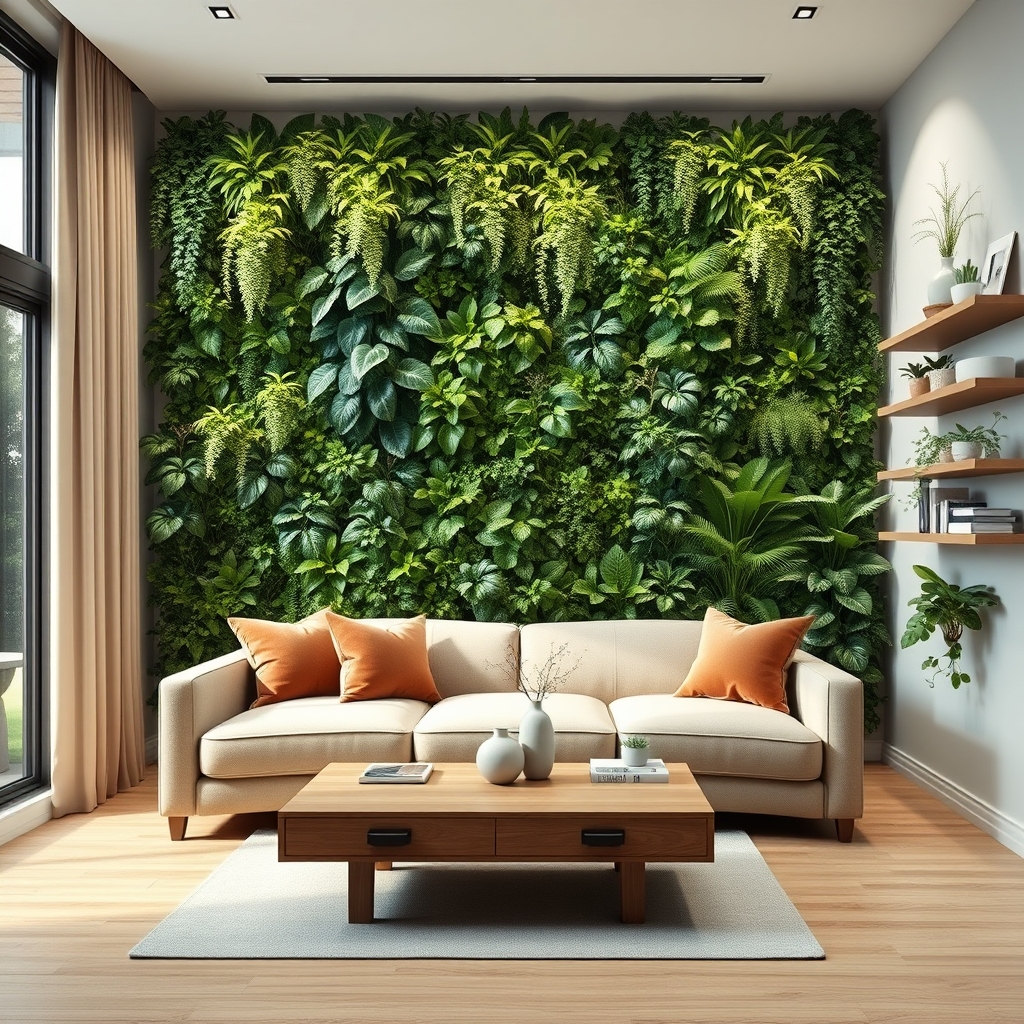
In a world where urban living often disconnects us from nature, the concept of bringing the outdoors inside has never been more appealing. Indoor garden walls, also known as living walls or vertical gardens, are a transformative design element that merges biophilic decor with modern aesthetics. These lush, verdant installations do more than just beautify a space—they improve air quality, boost mental well-being, and create a serene atmosphere that feels both invigorating and calming.
The Rise of Biophilic Design in Modern Homes
Biophilic design, the practice of incorporating natural elements into interior spaces, has gained significant traction in recent years. Research shows that exposure to greenery can reduce stress, enhance creativity, and even improve productivity. Indoor garden walls take this principle to the next level by maximizing vertical space, making them ideal for apartments, offices, and homes where floor space is limited. Whether you opt for a full-wall installation or a smaller, modular system, these living artworks introduce a dynamic, ever-evolving element to your decor.
Choosing the Right Plants for Your Indoor Garden Wall
Not all plants thrive in vertical environments, so selecting the right species is crucial for a thriving indoor garden. Low-maintenance options like pothos, ferns, spider plants, and peace lilies are excellent choices for beginners, as they adapt well to indoor conditions and require minimal upkeep. For those seeking a more dramatic effect, tropical varieties such as philodendrons, monstera, and bromeliads can create a lush, jungle-like ambiance. If you’re working with limited natural light, consider air plants or succulents, which are resilient and can thrive under artificial lighting.
Lighting and Irrigation: The Backbone of a Healthy Living Wall
A successful indoor garden wall relies on two key factors: proper lighting and efficient irrigation. Most living walls require a combination of natural and artificial light to sustain plant health. LED grow lights are a popular solution, as they provide the full spectrum of light needed for photosynthesis without consuming excessive energy. When it comes to watering, automated drip irrigation systems or self-watering planters can simplify maintenance, ensuring your plants receive consistent hydration without the risk of overwatering.
Designing Your Indoor Garden Wall: Aesthetic and Functional Considerations
Indoor garden walls can be customized to suit any style, from minimalist and modern to rustic and eclectic. For a sleek, contemporary look, opt for a monochromatic palette with uniform plant varieties, such as a wall of trailing pothos or neatly arranged succulents. If you prefer a more organic, free-form design, mix and match different textures and shades of green to create depth and visual interest. Some homeowners even incorporate herbs or edible plants into their living walls, blending functionality with beauty.
Integrating Indoor Garden Walls into Different Spaces
The versatility of indoor garden walls makes them suitable for nearly any room in the house. In living rooms, they serve as a striking focal point, adding warmth and life to the space. Bedrooms benefit from the calming presence of greenery, promoting relaxation and better sleep. Kitchens can be transformed with herb gardens, providing fresh ingredients at your fingertips while enhancing the room’s aesthetic. Even bathrooms, with their often humid environments, can support lush ferns and moisture-loving plants, turning an ordinary space into a spa-like retreat.
Sustainable and Low-Maintenance Solutions
For those concerned about the environmental impact of their design choices, indoor garden walls offer a sustainable alternative to traditional decor. Many systems are designed with eco-friendly materials, such as recycled plastic or reclaimed wood, and can be paired with water-saving irrigation methods. Additionally, the plants themselves contribute to a healthier indoor environment by filtering toxins from the air, reducing the need for artificial air purifiers. With advancements in hydroponic and aeroponic technology, maintaining a living wall has never been easier, making it accessible even for those with busy lifestyles.
DIY vs. Professional Installation: What’s Right for You?
Creating an indoor garden wall can be a rewarding DIY project, especially for smaller installations. Modular kits, which include pre-planted panels or pockets, are widely available and can be assembled with minimal tools. However, larger or more complex designs may require professional expertise to ensure proper installation, lighting, and irrigation. If you’re unsure where to start, consulting with a specialist can help you avoid common pitfalls and achieve a polished, long-lasting result.
As our lives become increasingly fast-paced and technology-driven, the desire to reconnect with nature grows stronger. Indoor garden walls offer a simple yet profound way to infuse your home with the restorative power of plants. Whether you’re drawn to their aesthetic appeal, health benefits, or sustainable qualities, these living installations have the potential to transform any space into a vibrant, life-affirming sanctuary. The beauty of an indoor garden wall lies not just in its visual impact, but in the way it nurtures both the environment and the soul, reminding us of the delicate balance between human habitation and the natural world.