
Net Zero Energy Remodeling: How to Transform Your Home into a Sustainable Powerhouse
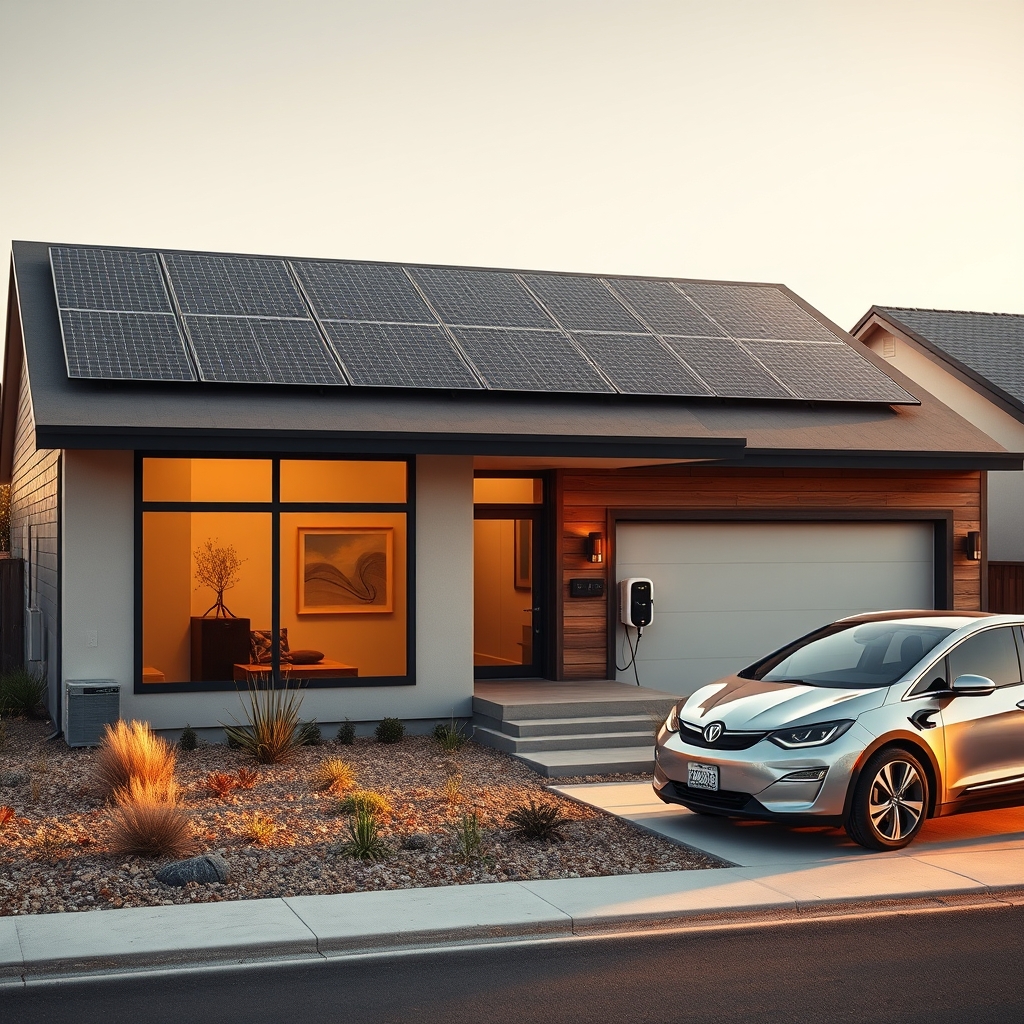
In an era where climate change and rising energy costs dominate headlines, homeowners are increasingly seeking ways to reduce their carbon footprint while cutting utility bills. Net zero energy remodeling offers a compelling solution—transforming your home into a self-sustaining powerhouse that produces as much energy as it consumes. This approach not only future-proofs your property but also enhances comfort, value, and environmental stewardship. The good news? Achieving net zero is more accessible than you might think, even on a budget.
Understanding Net Zero Energy Homes
A net zero energy home generates enough renewable energy to offset its annual consumption. This balance is achieved through a combination of energy-efficient upgrades, smart design, and on-site renewable energy systems like solar panels. The goal isn’t just to reduce energy use but to eliminate reliance on fossil fuels entirely. While the concept may sound futuristic, it’s grounded in practical, scalable strategies that can be tailored to any home, regardless of age or size.
Key Principles of Net Zero Remodeling
The foundation of net zero remodeling rests on three pillars: efficiency, electrification, and renewable energy. First, you minimize energy demand by upgrading insulation, sealing air leaks, and installing high-performance windows and appliances. Next, you transition away from gas-powered systems to electric alternatives, such as heat pumps for heating and cooling. Finally, you generate clean energy on-site, typically through solar panels, to cover the remaining energy needs. This holistic approach ensures that every watt of energy is used wisely and sustainably.
Step 1: Boosting Energy Efficiency
The first step in any net zero remodel is reducing energy waste. Start with a home energy audit to identify inefficiencies like drafty windows, poor insulation, or outdated HVAC systems. Addressing these issues can slash energy consumption by up to 30%, making it easier to achieve net zero. Focus on the building envelope—walls, roofs, and foundations—by adding insulation, sealing gaps with weatherstripping, and upgrading to energy-efficient windows. These upgrades not only reduce energy loss but also improve indoor comfort by eliminating cold drafts and hot spots.
High-Performance Windows and Doors
Replacing old, single-pane windows with double- or triple-pane models can dramatically improve thermal performance. Look for windows with low-emissivity (low-E) coatings and argon or krypton gas fills to minimize heat transfer. Similarly, insulated exterior doors prevent energy loss and enhance security. While these upgrades require an upfront investment, they pay off in long-term energy savings and increased home value.
Smart Insulation Choices
Insulation is the unsung hero of energy efficiency. Opt for sustainable materials like cellulose (made from recycled paper), sheep’s wool, or rigid foam boards with high R-values. Pay special attention to often-overlooked areas like attics, basements, and crawl spaces, which can account for significant energy loss. Proper insulation not only reduces heating and cooling costs but also extends the lifespan of your HVAC system by reducing its workload.
Step 2: Electrifying Your Home
Transitioning from fossil fuels to electricity is a critical step in net zero remodeling. Gas-powered appliances, furnaces, and water heaters are major contributors to household carbon emissions. Replacing them with electric alternatives powered by renewable energy eliminates this footprint. Heat pumps, for example, are highly efficient systems that provide both heating and cooling by transferring heat rather than generating it. They can be up to three times more efficient than traditional furnaces, making them a cornerstone of net zero homes.
Heat Pump Water Heaters
Traditional water heaters are energy hogs, but heat pump water heaters use electricity to move heat from the air or ground to warm water, reducing energy use by up to 60%. They work best in warmer climates or well-insulated spaces, but advancements in technology are making them viable even in colder regions. Pairing a heat pump water heater with a solar PV system can further reduce your reliance on grid electricity.
Induction Cooktops
Induction cooktops are a game-changer for eco-conscious homeowners. Unlike gas stoves, which release harmful pollutants into the air, induction cooktops use electromagnetic energy to heat pots and pans directly, making them faster, safer, and more energy-efficient. They also provide precise temperature control, reducing the risk of overcooking or burning food. While the initial cost may be higher than traditional stoves, the long-term energy savings and health benefits make them a worthwhile investment.
Step 3: Generating Renewable Energy
Once your home is energy-efficient and electrified, the final step is generating your own clean energy. Solar panels are the most common solution, but other options like wind turbines or geothermal systems may be viable depending on your location. Solar PV systems have become increasingly affordable, with federal and state incentives often covering a significant portion of the cost. A typical residential system can generate enough electricity to power your home and even feed excess energy back into the grid, earning you credits through net metering programs.
Sizing Your Solar System
To determine the right size for your solar PV system, start by analyzing your energy usage over the past year. Most homes require a system between 5 and 10 kilowatts (kW) to achieve net zero, but this varies based on climate, home size, and energy habits. Work with a reputable solar installer to design a system that meets your needs and maximizes your roof’s potential. If your roof isn’t suitable for solar, consider ground-mounted systems or community solar programs as alternatives.
Battery Storage Solutions
Pairing your solar PV system with a battery storage solution allows you to store excess energy for use during peak demand hours or power outages. Batteries like the Tesla Powerwall or LG Chem RESU can store enough energy to power your home for several hours, reducing your reliance on the grid. While batteries add to the upfront cost, they provide energy independence and resilience, making them a valuable addition to any net zero home.
Embarking on a net zero energy remodel is more than just a home improvement project—it’s a commitment to a sustainable future. By focusing on efficiency, electrification, and renewable energy, you can transform your home into a model of modern living that benefits both your wallet and the planet. The journey may require careful planning and investment, but the rewards—lower energy bills, increased comfort, and a reduced carbon footprint—are well worth the effort. As technology advances and incentives grow, net zero homes are no longer a luxury but a practical, achievable goal for homeowners ready to embrace the future of sustainable living.