The Timeless Charm of Vintage Revival: How Art Deco Accents and Open Concept Kitchens Define Modern Elegance
The allure of vintage aesthetics has never truly faded—it simply evolves, adapting to contemporary tastes while retaining its inherent charm. In today’s interior design landscape, the revival of vintage furniture and decor is not just a nod to the past but a deliberate choice to infuse spaces with character, warmth, and a sense of history. When paired with modern elements like open concept kitchens and Art Deco accents, this fusion creates a dynamic interplay between old and new, resulting in interiors that are both timeless and refreshingly current.
The Resurgence of Art Deco: A Bold Statement in Modern Homes
Art Deco, with its geometric patterns, luxurious materials, and bold symmetry, is experiencing a renaissance in modern interior design. Once synonymous with the roaring twenties, this style is now being reimagined in ways that complement contemporary living. Think sleek metallic finishes, mirrored surfaces, and intricate inlays—elements that add a touch of glamour without overwhelming a space. In minimalist living rooms, a single Art Deco-inspired side table or a statement lighting fixture can serve as a focal point, drawing the eye and sparking conversation.
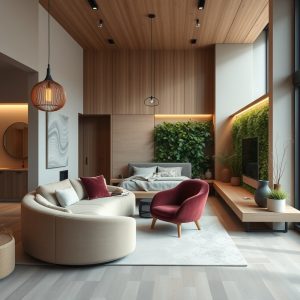
What makes Art Deco so versatile is its ability to blend seamlessly with other design movements. Pair it with Japandi style bedrooms for a contrast of opulence and simplicity, or incorporate it into open concept kitchens to create a sense of drama and sophistication. The key is balance: let the Art Deco pieces shine while keeping the surrounding decor understated. This approach ensures that the space feels curated rather than cluttered, allowing the vintage elements to take center stage.
Open Concept Kitchens: Where Functionality Meets Fluid Living
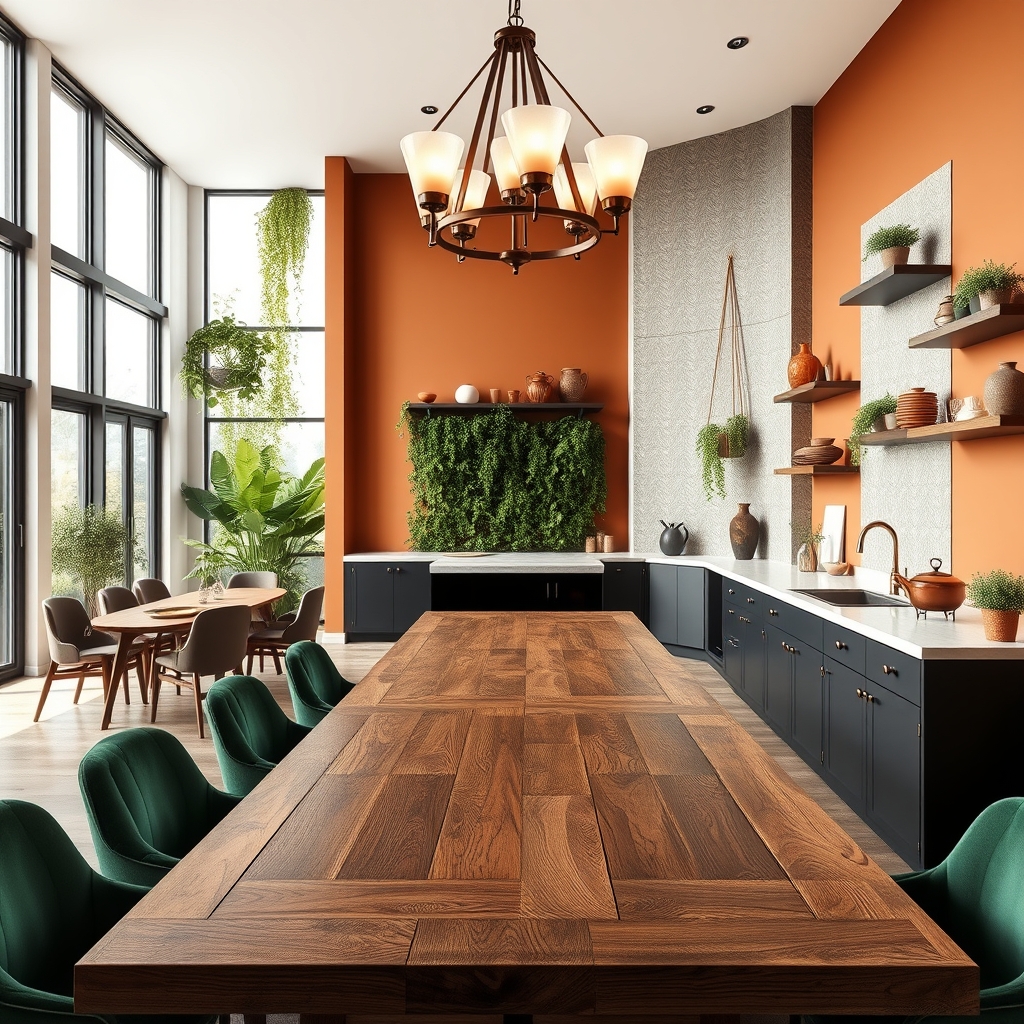
The shift toward open concept kitchens reflects a broader cultural move toward multifunctional spaces that encourage connection and flexibility. No longer confined to a closed-off room, the modern kitchen has become the heart of the home—a place where cooking, dining, and socializing seamlessly intertwine. This design philosophy aligns perfectly with the vintage revival trend, as it allows for the integration of timeless pieces like a reclaimed wooden dining table or a retro-inspired range hood, which add warmth and personality to the space.
Incorporating vintage furniture into an open concept kitchen requires a thoughtful approach. For instance, a mid-century modern bar cart can serve as both a functional storage solution and a stylish accent, while a collection of antique copper pots displayed on floating wall shelves adds a layer of texture and history. The goal is to create a space that feels lived-in and inviting, where every piece tells a story. Earthy color palettes, such as warm terracotta or deep olive green, can further enhance the vintage vibe while keeping the space grounded and cohesive.
Sustainable Choices: The Ethical Side of Vintage Revival
One of the most compelling reasons to embrace vintage furniture and decor is its sustainability. In a world increasingly conscious of environmental impact, choosing pre-loved pieces over mass-produced items is a small but meaningful step toward reducing waste. Vintage furniture is often crafted from high-quality materials like solid wood or wrought iron, which not only stand the test of time but also develop a patina that adds to their charm. By opting for second-hand or upcycled pieces, homeowners can create spaces that are not only stylish but also eco-friendly.
Sustainable interior design goes beyond furniture. Incorporating biophilic home decor, such as indoor garden walls or natural fiber textiles, can further enhance the connection to nature while complementing the vintage aesthetic. For example, a reclaimed wooden bench paired with lush greenery creates a harmonious blend of rustic and organic elements. Similarly, using matte black hardware on vintage-inspired cabinetry can add a modern touch while maintaining the overall cohesive look.
The Art of Layering: Textures, Colors, and Lighting
Creating a space that feels rich and inviting often comes down to the art of layering. In a vintage-inspired home, this means combining different textures, colors, and lighting to build depth and dimension. Velvet accent chairs, for instance, can add a touch of luxury to a minimalist living room, while textured wallpapers in earthy tones provide a tactile backdrop that enhances the overall warmth of the space. Statement lighting fixtures, such as a vintage chandelier or a sculptural floor lamp, can elevate the ambiance, casting a soft glow that highlights the room’s best features.
When it comes to color, vintage revival doesn’t mean sticking to a single era. Instead, it’s about curating a palette that feels cohesive yet dynamic. For example, pairing muted pastels with deep jewel tones can create a sense of balance, while metallic accents like brass or gold add a touch of sophistication. The key is to experiment with different combinations until the space feels just right—personal, intentional, and full of life.
In a world where trends come and go, the appeal of vintage revival lies in its ability to transcend time. By blending Art Deco accents with open concept kitchens and sustainable design principles, homeowners can create spaces that are not only beautiful but also meaningful. These interiors tell a story, one that honors the past while embracing the present, and in doing so, they offer a sanctuary that feels both familiar and fresh. Whether it’s the gleam of a restored antique mirror or the warmth of a reclaimed wooden table, the details are what make a house a home—and in the end, that’s what truly matters.