Solar Panel Conversion: Harnessing the Power of the Sun for a Sustainable Home
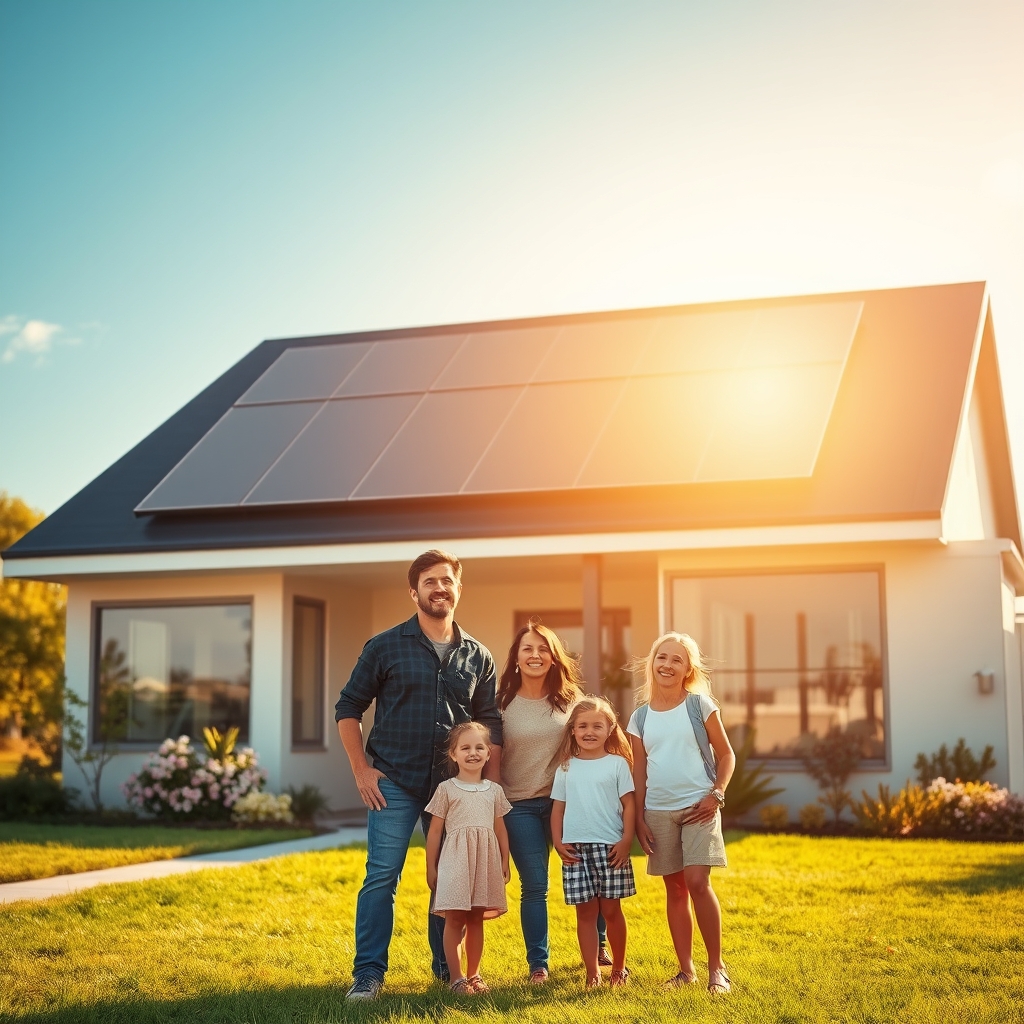
The shift toward renewable energy has never been more critical, and solar panel conversion stands at the forefront of this movement. Homeowners across the globe are recognizing the dual benefits of reducing their carbon footprint while simultaneously cutting down on energy costs. Transitioning to solar power is not just an environmental statement; it’s a practical investment in the future of your home and the planet.
The Science Behind Solar Energy
Solar panels, or photovoltaic (PV) systems, convert sunlight into electricity through a process that begins with the absorption of photons. These photons knock electrons loose from their atoms within the solar cells, creating a flow of electricity. This direct current (DC) is then converted into alternating current (AC) by an inverter, making it usable for household appliances and systems. The efficiency of this process has improved dramatically over the years, with modern panels capable of converting up to 22% of sunlight into usable energy, compared to just 6% in the 1950s.
Why Solar Panels Are a Smart Investment
One of the most compelling reasons to consider solar panel conversion is the potential for significant long-term savings. While the initial installation cost can be substantial, the return on investment (ROI) is often realized within 5 to 10 years, depending on local energy rates and available incentives. After this break-even point, the electricity generated by your solar panels is essentially free, aside from minimal maintenance costs. Additionally, many governments and municipalities offer tax credits, rebates, or net metering programs, which allow homeowners to sell excess energy back to the grid, further offsetting costs.
Assessing Your Home’s Solar Potential
Before diving into a solar panel installation, it’s essential to evaluate whether your home is a good candidate for solar energy. Several factors come into play, including the orientation and angle of your roof, the amount of daily sunlight your property receives, and any potential shading from trees or nearby structures. A south-facing roof with a slope between 15 and 40 degrees is ideal for maximizing solar exposure in the Northern Hemisphere. However, east- and west-facing roofs can also be viable, though they may produce slightly less energy.
Understanding Local Regulations and Incentives
Navigating the regulatory landscape is a crucial step in the solar panel conversion process. Local building codes, zoning laws, and homeowners’ association (HOA) rules may impose restrictions on the size, placement, or even the type of solar panels you can install. It’s also worth researching federal, state, and local incentives, such as the U.S. federal solar tax credit, which currently offers a 30% credit on the cost of solar panel installation. Many utility companies also provide rebates or performance-based incentives, which can further reduce the upfront cost.
The Installation Process: What to Expect
Once you’ve determined that your home is a good fit for solar panels and have secured any necessary permits, the installation process can begin. A typical residential solar panel system installation takes between one to three days, depending on the size and complexity of the project. The process generally involves the following steps:
1. Site Assessment and Design
A solar installer will visit your home to assess the roof’s condition, measure its dimensions, and evaluate shading. They will then design a system tailored to your energy needs and roof specifications, ensuring optimal performance and aesthetics.
2. Permitting and Approvals
Your installer will handle the permitting process, submitting the necessary paperwork to your local government or utility company. This step can take anywhere from a few days to several weeks, depending on your location.
3. Installation
The actual installation involves mounting the solar panels to your roof using a racking system, connecting the panels to an inverter, and integrating the system with your home’s electrical panel. The installer will also set up a monitoring system, allowing you to track your energy production in real time.
4. Inspection and Interconnection
After installation, a local inspector will review the system to ensure it meets all safety and building codes. Once approved, your utility company will grant permission to operate (PTO), allowing you to connect your solar panels to the grid and start generating clean energy.
Maintaining Your Solar Panel System
One of the most appealing aspects of solar panels is their low maintenance requirements. Unlike traditional energy systems, solar panels have no moving parts, which means there’s less that can go wrong. However, to ensure optimal performance, it’s important to keep the panels clean and free of debris, such as leaves, dust, or snow. Most homeowners can handle this with a garden hose or a soft brush, but for those in areas with heavy snowfall or dust, professional cleaning services are available.
Monitoring Performance and Efficiency
Most modern solar panel systems come with monitoring software that allows you to track your energy production in real time. This can be accessed via a smartphone app or a web portal, giving you insights into how much energy your system is generating and how much you’re saving. If you notice a sudden drop in performance, it could indicate an issue with the panels or inverter, and you should contact your installer for a inspection.
As energy costs continue to rise and the effects of climate change become more pronounced, the decision to switch to solar power is increasingly seen as a forward-thinking choice. Beyond the financial savings and environmental benefits, solar panel conversion offers a sense of independence and resilience, reducing reliance on the grid and protecting against power outages. With advancements in technology and decreasing costs, there has never been a better time to harness the power of the sun and make a lasting impact on both your home and the world around you.