The Art of Minimalist Living Rooms: A Deep Dive into Japandi Style Bedrooms and Sustainable Interior Design
In the realm of interior design, the minimalist living room has emerged as a sanctuary of tranquility and functionality. This design philosophy, which emphasizes simplicity and the elimination of clutter, is not merely a trend but a lifestyle choice that resonates with those seeking a harmonious balance between aesthetics and practicality.
Minimalist Living Rooms: The Essence of Simplicity
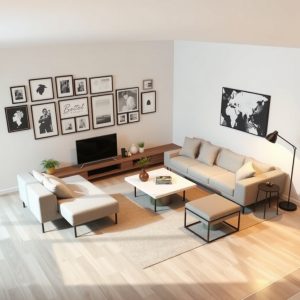
The minimalist living room is characterized by clean lines, neutral color palettes, and a focus on essential elements. This approach to design is not about deprivation but about curating a space that enhances well-being and promotes a sense of calm. The use of earthy color palettes, such as warm beiges, soft greens, and muted blues, creates a soothing atmosphere that is both inviting and restful.
Japandi Style Bedrooms: A Fusion of Cultures
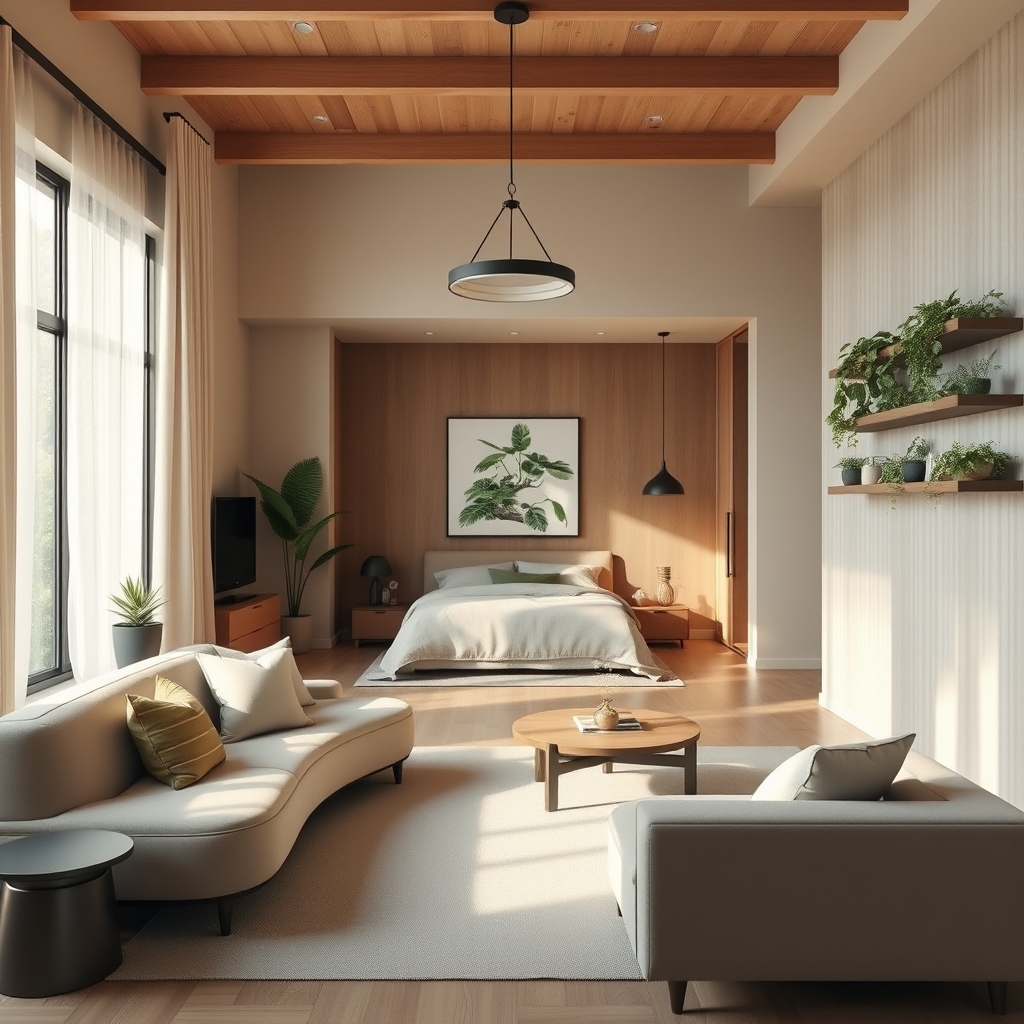
One of the most captivating expressions of minimalist design is the Japandi style bedroom. This hybrid style blends the best of Japanese and Scandinavian design principles, resulting in a space that is both functional and aesthetically pleasing. Japandi style bedrooms often feature multi-functional spaces, where each piece of furniture serves a purpose, and every inch of the room is utilized efficiently.
Vintage furniture revival plays a significant role in Japandi style bedrooms. Pieces with a history and character add warmth and depth to the space, while also contributing to sustainability. The use of vintage furniture aligns with the principles of sustainable interior design, which emphasizes the importance of reducing waste and promoting the reuse of materials.
Sustainable Interior Design: A Responsible Choice
Sustainable interior design is not just a buzzword; it is a commitment to creating spaces that are environmentally responsible. This approach involves the use of eco-friendly materials, energy-efficient appliances, and smart kitchen technology that reduces water and energy consumption. Biophilic home decor, which incorporates natural elements such as plants and natural light, is another key aspect of sustainable design.
Indoor garden walls are a striking example of biophilic design, bringing the outdoors inside and creating a lush, green oasis within the home. These vertical gardens not only enhance the aesthetic appeal of the space but also improve air quality and promote a sense of well-being.
Creating Cozy and Functional Spaces
In the pursuit of minimalist living, the concept of cozy reading nooks has gained popularity. These intimate spaces, often tucked away in a corner of the living room or bedroom, provide a sanctuary for relaxation and reflection. Floating wall shelves, with their sleek and modern design, are ideal for creating a cozy reading nook, offering a place to display books and personal mementos.
Textured wallpapers add depth and interest to minimalist spaces, creating a visual focal point without overwhelming the room. The use of matte black hardware, such as door handles and light switches, adds a touch of sophistication and contrasts beautifully with the neutral color palette.
Statement Lighting Fixtures and Luxury Home Spas
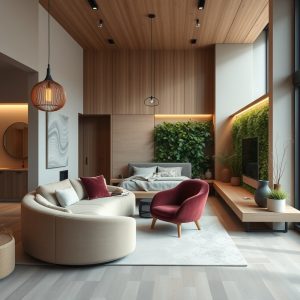
Statement lighting fixtures are another key element of minimalist design. These bold and dramatic pieces serve as both functional and decorative elements, adding a touch of glamour to the space. Curved sofa designs, with their soft and inviting shapes, create a sense of comfort and luxury, while also maximizing space efficiency.
Luxury home spas are the epitome of minimalist living, offering a sanctuary for relaxation and rejuvenation. These spaces often feature open concept kitchens, where the boundaries between cooking and living areas are blurred, creating a seamless and integrated environment. Hidden storage solutions, such as built-in cabinets and under-bed drawers, ensure that the space remains clutter-free and organized.
Art Deco accents add a touch of vintage charm to minimalist spaces, creating a sense of timeless elegance. Velvet accent chairs, with their plush and luxurious upholstery, provide a comfortable and stylish seating option, while also adding a pop of color to the neutral color palette.
In the pursuit of minimalist living, the art of creating a harmonious and functional space is a journey of discovery and self-expression. By embracing the principles of Japandi style bedrooms, sustainable interior design, and the use of statement lighting fixtures and luxury home spas, one can create a living environment that is both beautiful and practical. The minimalist living room is not just a design trend but a lifestyle choice that promotes well-being, sustainability, and a sense of calm. As we continue to explore the possibilities of minimalist design, we are reminded that less is indeed more, and that the true essence of a home lies in its ability to nurture and inspire.