
The Subtle Art of Seamless Evolution: How Data-Informed Refinement and Human-Centered Iteration Shape Digital Experiences
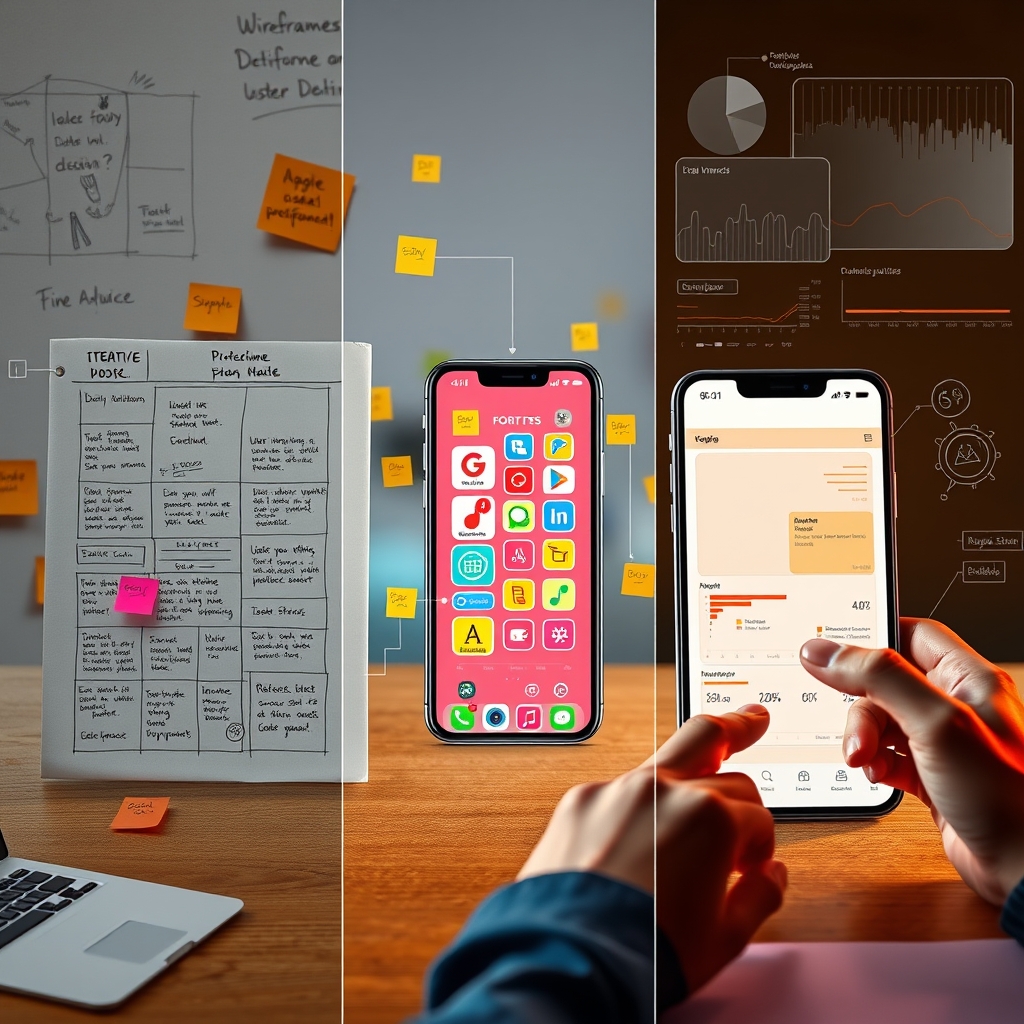
In the ever-evolving landscape of digital design, the pursuit of perfection is not a destination but a continuous journey. The most successful interfaces are those that adapt, refine, and grow alongside their users, blending the precision of data with the empathy of human-centered thinking. This delicate balance is where the magic of seamless user experience enhancement happens—where every pixel, interaction, and decision is meticulously crafted to feel effortless, intuitive, and deeply personal.
The Foundation: User-Centered Design Optimization
At the heart of every great digital experience lies a fundamental principle: the user comes first. User-centered design optimization is not just a methodology; it’s a mindset that prioritizes the needs, behaviors, and emotions of the people who interact with a product. This approach goes beyond surface-level aesthetics, digging into the psychology of how users think, feel, and act. By leveraging behavioral design insights, designers can create interfaces that anticipate needs, reduce friction, and foster a sense of connection between the user and the digital environment.
For example, consider the subtle cues that guide a user through a checkout process. A well-placed progress indicator, a strategically timed micro-interaction, or even the color of a call-to-action button can significantly influence behavior. These elements are not arbitrary; they are the result of iterative interface improvement, where every detail is tested, measured, and refined based on real user interactions. The goal is not just to make an interface functional but to make it feel like a natural extension of the user’s intentions.
The Power of Iteration: Prototyping and Testing Cycles
No design is perfect on the first try. The most effective digital experiences are born from a cycle of prototyping and testing, where ideas are brought to life, evaluated, and refined based on feedback. This process is not about making sweeping changes but about embracing the rhythm of refinement—small, incremental improvements that collectively elevate the user experience. Prototyping and testing cycles allow designers to validate assumptions, uncover pain points, and iterate toward solutions that resonate with users on a deeper level.
Imagine a mobile app that starts as a rough wireframe, evolves into a high-fidelity prototype, and undergoes multiple rounds of usability testing. Each iteration reveals new insights: a button that users consistently overlook, a navigation flow that causes confusion, or a feature that delights but isn’t discoverable. By addressing these findings, designers can transform a good experience into a great one. This iterative approach is not just about fixing what’s broken; it’s about uncovering opportunities to exceed user expectations.
Data as the Compass: Informed Design Upgrades
While intuition and creativity play a crucial role in design, data is the compass that guides the way. Data-informed design upgrades ensure that decisions are rooted in evidence rather than guesswork. Analytics tools, heatmaps, session recordings, and user feedback provide a wealth of information about how people interact with a digital product. These insights reveal patterns, highlight inefficiencies, and uncover opportunities for enhancement.
For instance, data might show that users frequently abandon a form at a specific step. Rather than assuming the issue is a technical glitch, designers can dig deeper: Is the form too long? Are the instructions unclear? Is the layout overwhelming? By combining quantitative data with qualitative feedback, designers can pinpoint the root cause and implement targeted improvements. This approach ensures that every design upgrade is not just a shot in the dark but a strategic step toward a more intuitive and seamless experience.
Human Factors Integration: Designing for Real People
Digital interfaces are not used in a vacuum; they are part of a larger ecosystem of human behavior, emotions, and context. Human factors integration is about designing with these realities in mind. It’s about recognizing that users are not static entities but dynamic individuals with varying needs, abilities, and environments. Whether it’s accounting for color blindness, designing for one-handed use on mobile devices, or ensuring that content is accessible to screen readers, human factors integration ensures that digital experiences are inclusive and adaptable.
Consider the rise of adaptive design solutions, which tailor the user experience based on individual preferences or behaviors. For example, a streaming platform might adjust its interface based on a user’s viewing history, surfacing relevant content more prominently. Similarly, a fitness app might personalize workout recommendations based on a user’s progress and goals. These adaptive solutions create a sense of personalization that makes users feel seen and understood, fostering loyalty and engagement.
The Role of Aesthetic Usability Optimization
Aesthetics are often dismissed as secondary to functionality, but in reality, they play a critical role in how users perceive and interact with a digital product. Aesthetic usability optimization is about striking the right balance between beauty and utility. A visually appealing interface can create a positive first impression, build trust, and even influence how users perceive the functionality of a product. However, aesthetics must never come at the expense of usability. A stunning design that confuses users or slows them down is ultimately a failure.
The key is to use visual elements—color, typography, spacing, and imagery—to guide users intuitively through an experience. For example, a well-designed dashboard might use color coding to highlight important metrics, or a mobile app might use subtle animations to draw attention to a new feature. These visual cues enhance usability by making the interface more intuitive and engaging. When aesthetics and usability work in harmony, the result is an experience that feels both effortless and delightful.
Collaborative Design Iteration: The Strength of Many Perspectives
Design is rarely a solo endeavor. The most impactful digital experiences are the result of collaborative design iteration, where diverse perspectives come together to solve problems and innovate. This collaborative approach brings together designers, developers, researchers, and even users to co-create solutions that are greater than the sum of their parts. By fostering an environment of open feedback and shared ownership, teams can break down silos and create experiences that truly resonate with users.
For example, a cross-functional team might hold regular design sprints, where they rapidly prototype and test ideas with real users. These sessions not only accelerate the iteration process but also ensure that the final product is aligned with user needs. Similarly, involving users in the design process—through interviews, surveys, or usability testing—can uncover insights that might otherwise go unnoticed. Collaboration ensures that the design process is not just efficient but also inclusive and user-focused.
Scalable Design Systems: The Backbone of Consistency
As digital products grow and evolve, maintaining consistency across interfaces becomes a challenge. This is where scalable design systems come into play. A design system is a collection of reusable components, guidelines, and principles that ensure a cohesive and consistent user experience across all touchpoints. By standardizing elements like buttons, typography, and color schemes, design systems enable teams to work more efficiently and deliver a unified experience, even as the product scales.
For example, a company with multiple products might use a design system to ensure that its brand identity remains consistent across all platforms. This not only reinforces brand recognition but also reduces cognitive load for users, who can rely on familiar patterns and interactions. Scalable design systems also streamline the design process, allowing teams to focus on innovation rather than reinventing the wheel with every new feature or product.
The journey toward seamless user experience enhancement is not about achieving perfection but about embracing the process of continuous improvement. It’s about listening to users, leveraging data, and iterating with purpose. Every small refinement, every thoughtful adjustment, and every collaborative effort contributes to an experience that feels effortless, intuitive, and deeply human. In a world where digital interactions are increasingly central to our lives, the ability to create experiences that adapt, evolve, and resonate with users is not just a competitive advantage—it’s a necessity. The interfaces of tomorrow will not be built in a single stroke of genius but through the relentless pursuit of understanding, refining, and elevating the way people connect with technology.