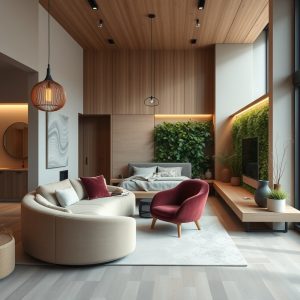
Biophilic Design Meets Modern Minimalism: Crafting Calm and Connected Living Spaces
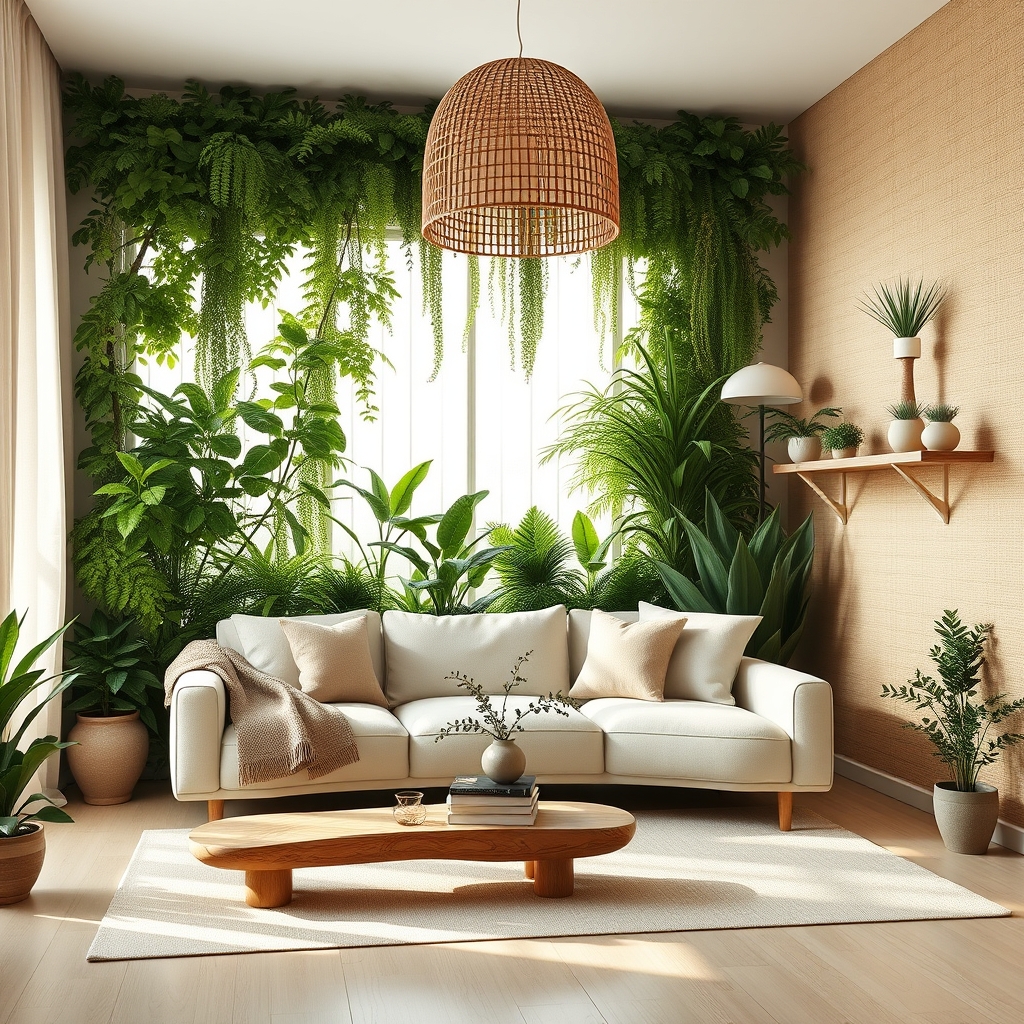
In a world where urban living often disconnects us from nature, biophilic design emerges as a breath of fresh air—literally. This approach to interior design doesn’t just decorate a space; it transforms it into a sanctuary that nurtures well-being by integrating natural elements, textures, and patterns. When paired with the clean lines and intentional simplicity of minimalist living rooms, biophilic design creates environments that feel both expansive and deeply personal. The result? A home that doesn’t just look good but feels good, too.
The Philosophy Behind Biophilic Design
Biophilic design is rooted in the idea that humans have an innate connection to nature, a bond that influences our mental and emotional health. Studies have shown that exposure to natural elements—whether through sunlight, plants, or organic materials—can reduce stress, improve cognitive function, and even boost creativity. This philosophy goes beyond merely adding a few potted plants to a room. It’s about creating a holistic experience that engages all the senses, from the rustle of leaves to the scent of wood or the sight of flowing water.
In minimalist living rooms, biophilic design thrives because it aligns with the core principles of minimalism: intentionality, functionality, and harmony. By stripping away the unnecessary, minimalism allows natural elements to take center stage, fostering a sense of calm and clarity. The key is to integrate nature in ways that feel organic rather than forced, ensuring that every element serves a purpose—whether aesthetic, functional, or emotional.
Bringing Nature Indoors: Key Elements of Biophilic Design
One of the most accessible ways to embrace biophilic design is through indoor garden walls. These vertical gardens not only add a lush, vibrant touch to a room but also improve air quality and create a dynamic focal point. For those with limited space, even a small collection of air plants or a single statement fiddle-leaf fig can make a significant impact. The goal is to create a living, breathing element within the home that evolves over time, much like nature itself.
Another powerful tool in biophilic design is the use of earthy color palettes. Soft greens, warm browns, muted blues, and sandy beiges evoke the tranquility of natural landscapes, making them ideal for minimalist spaces. These colors work particularly well when paired with natural materials like wood, stone, or linen. For example, a Japandi-style bedroom might feature a light oak bed frame, a woven jute rug, and linen bedding in soft, neutral tones. The result is a space that feels grounded and serene, a true retreat from the chaos of daily life.
Textures and Materials: The Subtle Power of Touch
Biophilic design isn’t just about what you see—it’s also about what you feel. Incorporating a variety of textures can make a space feel more dynamic and inviting. Think of the rough grain of a reclaimed wood coffee table, the smooth coolness of a stone countertop, or the softness of a wool throw blanket. These tactile elements add depth to a minimalist room, preventing it from feeling sterile or impersonal.
Textured wallpapers are another excellent way to introduce natural patterns into a space. A subtle grasscloth or linen wallpaper can add warmth and dimension to a room without overwhelming it. Similarly, floating wall shelves made from live-edge wood or rattan can display small plants, books, or artisanal decor, further enhancing the connection to nature.
Lighting: Mimicking the Rhythm of Nature
Lighting plays a crucial role in biophilic design, as it can mimic the natural rhythms of daylight. Large windows that allow for ample natural light are ideal, but when that’s not possible, statement lighting fixtures can help. Consider pendant lights with organic shapes, such as those made from woven rattan or blown glass, which cast soft, diffused light that mimics the dappled sunlight of a forest canopy. Dimmable lights are also a great addition, allowing you to adjust the ambiance to match the time of day, from bright and energizing in the morning to warm and cozy in the evening.
Creating Multi-Functional Spaces with a Biophilic Twist
Modern living often demands versatility, and multi-functional spaces are a practical solution for small homes or apartments. Biophilic design can enhance these spaces by making them feel more open and connected to the outdoors. For example, a cozy reading nook might feature a built-in bench with storage underneath, a small indoor plant, and a large window that offers a view of a garden or courtyard. The addition of a curved sofa design can soften the lines of the room, creating a more inviting and organic shape that contrasts with the straight edges of minimalist furniture.
In the kitchen, open-concept designs paired with biophilic elements can make the space feel more expansive and welcoming. Consider incorporating a small herb garden on the windowsill, using matte black hardware for a sleek, modern look, or opting for countertops made from natural stone. These touches not only enhance the aesthetic appeal of the kitchen but also make it a more enjoyable space to cook and gather.
Hidden Storage Solutions for a Clutter-Free Home
Minimalism and biophilic design both prioritize simplicity and intentionality, which means clutter has no place in these spaces. Hidden storage solutions are essential for maintaining a clean, uncluttered look while still meeting the practical needs of daily life. Built-in cabinets, under-bed storage, and multi-functional furniture—like a coffee table with hidden compartments—can help keep belongings out of sight without sacrificing style. When these storage solutions are made from natural materials like wood or bamboo, they blend seamlessly into the biophilic aesthetic, reinforcing the connection to nature.
Incorporating biophilic design into a minimalist home is about more than just aesthetics—it’s about creating a space that supports well-being, fosters connection, and brings a sense of peace to everyday life. Whether through the gentle rustle of leaves from an indoor garden wall, the warm glow of natural wood, or the soft texture of a linen throw, these elements work together to craft a home that feels alive. It’s a reminder that even in the midst of urban living, nature is never far away—and with a little intention, it can be brought indoors to transform the way we live.