Feng Shui and Symmetry: Crafting Harmonious Living Spaces with Intentional Layouts
Creating a home that feels both functional and serene often begins with the principles of balance and flow. While modern design trends like open-concept living and multi-functional layouts dominate conversations, the ancient art of Feng Shui and the timeless appeal of symmetry offer a deeper layer of intentionality. These approaches don’t just shape how a room looks—they influence how it feels, turning ordinary spaces into sanctuaries of harmony and purpose.
The Foundations of Feng Shui in Modern Layouts
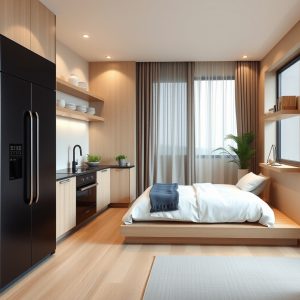
Feng Shui, the Chinese practice of arranging spaces to promote positive energy, or qi, is far more than just a trend. At its core, it’s about aligning your environment with your well-being. One of its most practical applications in contemporary homes is bedroom placement. According to Feng Shui, the bed should be positioned in the commanding position—facing the door but not directly in line with it. This placement fosters a sense of security and control, which is especially valuable in shared kids’ bedrooms or studio apartments where space is limited.
Another key principle is the avoidance of sharp angles or clutter, which can disrupt the flow of energy. In L-shaped room arrangements, for example, Feng Shui suggests using rounded furniture or plants to soften corners and create a more inviting atmosphere. Even in minimalist room layouts, the placement of objects matters—every piece should serve a purpose, whether functional or aesthetic, to maintain a sense of calm and order.
Symmetry: The Silent Architect of Visual Balance
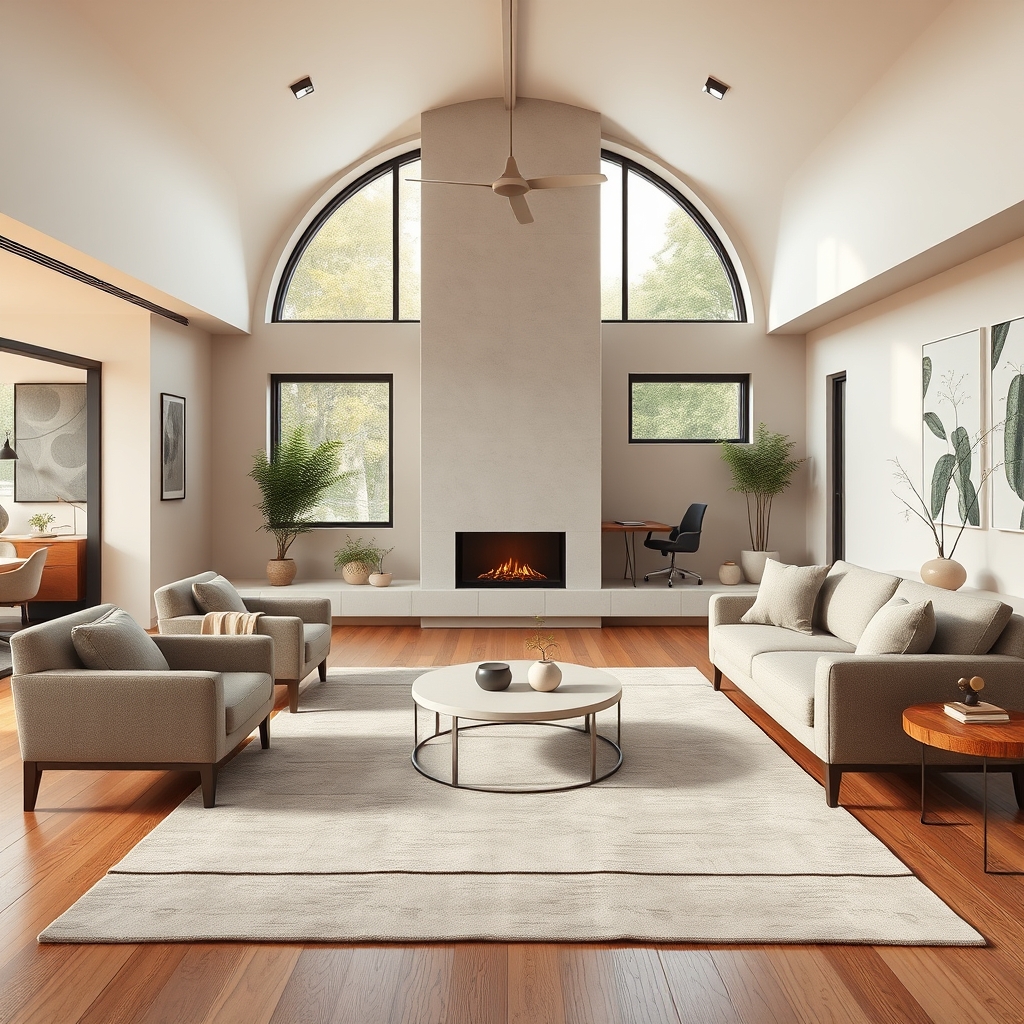
Symmetry is a design tool that transcends cultures and eras, and for good reason. It creates a sense of stability and order, making spaces feel more cohesive and visually pleasing. In symmetric living rooms, for instance, matching sofas or armchairs flanking a central coffee table can instantly elevate the room’s elegance. This approach works particularly well in floating furniture layouts, where pieces are arranged away from walls to create a more dynamic and interactive space.
For those working with corner sofa placement, symmetry can still play a role. Pairing a sectional with a centrally placed rug or a pair of identical side tables can anchor the room and prevent it from feeling lopsided. Even in gallery wall placement, symmetry can be achieved by balancing the arrangement of frames around a focal point, such as a fireplace or television. The result is a space that feels intentional and polished, without requiring excessive decor.
Zoning for Functionality and Flow
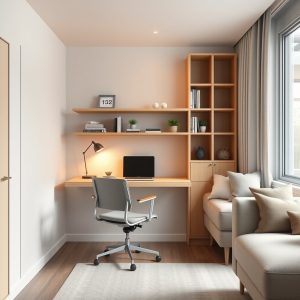
In today’s homes, where rooms often serve multiple purposes, small space zoning is essential. Whether you’re designing a home office zoning area within a living room or creating distinct zones in a shared kids’ bedroom, the key is to define spaces without closing them off. Room dividers, such as open shelving units or sheer curtains, can provide separation while maintaining an airy feel. In studio apartments, studio apartment dividers like folding screens or bookshelves can carve out private areas without sacrificing the openness of the layout.
Traffic flow is another critical consideration. A well-designed space should allow for easy movement, especially in high-traffic areas like kitchens or living rooms. In ergonomic kitchen layouts, for example, the classic work triangle—connecting the sink, stove, and refrigerator—ensures efficiency and minimizes unnecessary steps. Similarly, in living rooms, arranging seating in a way that encourages cozy conversation circles can make the space more inviting and functional. A high-traffic seating arrangement, such as a U-shaped sofa setup, can accommodate more people while keeping the flow of movement smooth.
The Art of Centering and Anchoring
A room’s focal point is its heartbeat, and centering key elements around it can transform a space from chaotic to cohesive. In dining areas, dining table centering is a simple yet effective way to create balance. Placing the table in the middle of the room, with chairs evenly spaced, establishes a sense of order. For those with flexible segmented spaces, such as a combined living and dining area, using a large area rug to anchor the dining table can visually separate the two zones while maintaining a unified look.
In living rooms, the focal point might be a fireplace, a large window, or even a statement piece of art. Arranging furniture around this point, such as placing a corner sofa to face it, can create a natural gathering spot. Even in minimalist room layouts, a single, well-placed piece—like a sculptural coffee table or a bold armchair—can serve as an anchor, giving the room a sense of purpose and direction.
Bringing It All Together: Intentional Design for Everyday Living
The beauty of combining Feng Shui, symmetry, and thoughtful zoning lies in their adaptability. Whether you’re working with a sprawling open-concept home or a compact studio apartment, these principles can be tailored to fit your needs. The goal isn’t perfection but harmony—a space that supports your lifestyle while nurturing your well-being. By paying attention to the flow of energy, the balance of elements, and the functionality of each zone, you can create a home that feels as good as it looks. And perhaps most importantly, these design choices remind us that our environments are not just backdrops to our lives but active participants in our daily experiences, shaping our moods, our interactions, and our sense of peace.