Historic Home Restoration: Preserving Charm While Embracing Modern Comforts
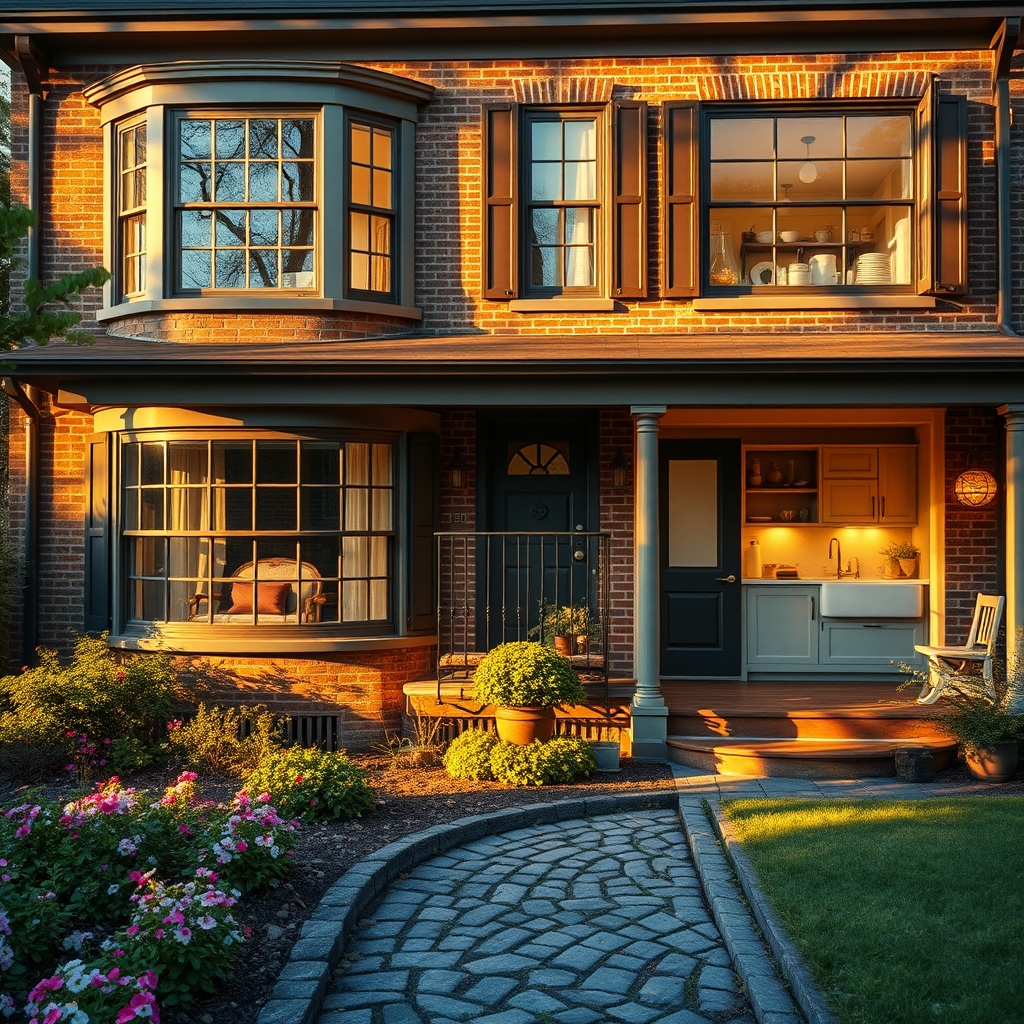
Restoring a historic home is like stepping into a time machine—each creaky floorboard, ornate molding, and weathered brick tells a story. But while the charm of a bygone era is undeniable, modern living demands comfort, efficiency, and functionality. The challenge lies in striking the perfect balance: honoring the home’s original character while integrating contemporary upgrades that make it livable for today’s standards. Whether you’re working with a Victorian gem, a Craftsman bungalow, or a mid-century treasure, a thoughtful restoration can breathe new life into your space without erasing its soul.
The Foundation: Research and Respect
Before swinging a hammer or stripping a single layer of paint, dive deep into the history of your home. Understanding its architectural style, original materials, and the era it was built in will guide your decisions and help you avoid costly mistakes. Consult local historical societies, archives, or even previous owners to uncover details like original color palettes, flooring materials, or unique features that may have been altered over time. This research isn’t just about nostalgia—it’s about making informed choices that preserve the home’s integrity.
For example, if your home features original hardwood floors hidden beneath decades of carpet, refinishing them rather than replacing them can save money and maintain authenticity. Similarly, restoring original windows—even if they’re drafty—can be more sustainable and visually appealing than installing modern replacements that clash with the home’s aesthetic. When in doubt, prioritize reversible changes. This way, future owners (or future you) can undo updates without damaging the original structure.
Modern Comforts Without Compromising Character
One of the biggest hurdles in historic home restoration is updating systems like plumbing, electrical, and insulation without disrupting the home’s historic fabric. The key is to work with professionals who specialize in historic properties—they’ll know how to hide modern necessities behind period-appropriate facades. For instance, knob-and-tube wiring, a common feature in older homes, is often unsafe by today’s standards. Replacing it with updated electrical systems while preserving original light fixtures or switch plates can keep the vintage vibe intact.
Insulation is another critical upgrade, especially in drafty older homes. While blown-in cellulose or spray foam can improve energy efficiency, they must be installed carefully to avoid damaging plaster walls or wooden beams. In some cases, adding insulation to the attic or basement—areas less visible to the eye—can make a significant difference without altering the home’s historic appearance. For windows, consider storm windows or interior insulating panels as alternatives to full replacements. These options can improve thermal performance while keeping the original windows’ charm.
Kitchens and Bathrooms: Blending Old and New
Kitchens and bathrooms are often the most heavily used spaces in a home, and they’re also the areas where modern conveniences are non-negotiable. However, a full gut renovation can strip away the character that makes a historic home special. Instead, focus on blending old and new elements seamlessly. For example, in a kitchen, you might keep original cabinetry but update the hardware with period-appropriate pulls. Open shelving can replace upper cabinets to create a more airy feel while showcasing vintage dishware or glassware.
In bathrooms, clawfoot tubs, pedestal sinks, and subway tiles are timeless choices that nod to the past while feeling fresh. If space allows, consider adding a walk-in shower with a frameless glass door to modernize the room without sacrificing its historic charm. For plumbing, work with a contractor to reroute pipes discreetly—perhaps through closets or behind walls—to avoid cutting into original plaster or woodwork.
Sustainable Upgrades for a Greener Future
Historic homes weren’t built with energy efficiency in mind, but that doesn’t mean they can’t be part of a sustainable future. In fact, restoring an older home is inherently eco-friendly—it reduces the need for new construction materials and keeps usable structures out of landfills. To take it a step further, consider upgrades like energy-efficient HVAC systems, solar panels, or geothermal heating. While these may seem like modern intrusions, they can often be installed in ways that minimize visual impact, such as placing solar panels on a less visible roof slope or hiding ductwork in basements or attics.
Another sustainable option is to source reclaimed materials for your restoration. Salvaged wood, vintage tiles, and antique fixtures can add authenticity while reducing your project’s environmental footprint. Many cities have architectural salvage yards where you can find everything from original doors to ornate mantels—often at a fraction of the cost of new materials. Plus, using reclaimed items adds a layer of history to your home, making it feel even more unique.
Curb Appeal: Making a Lasting First Impression
The exterior of your historic home is its calling card, and small updates can make a big difference in its curb appeal. Start with the basics: a fresh coat of paint in a historically accurate color can instantly refresh the look. If your home has original siding, consider having it professionally cleaned or repaired rather than replaced. For roofs, look for materials that mimic the original style—like slate or wood shakes—while offering modern durability.
Landscaping is another area where you can enhance your home’s historic charm. Research the types of plants and garden designs that were popular during the era your home was built. A well-placed perennial garden, a classic picket fence, or even a period-appropriate mailbox can tie the whole look together. If your home has a porch, consider restoring it to its former glory with original railings, columns, or even a swing—small details that evoke a sense of nostalgia.
Restoring a historic home is a labor of love, but the rewards are immeasurable. It’s about more than just preserving a building; it’s about honoring the craftsmanship, stories, and character that make older homes so special. By thoughtfully blending modern comforts with historic details, you can create a space that feels both timeless and tailored to your lifestyle. Every decision—from the materials you choose to the colors you paint—becomes a thread in the rich tapestry of your home’s history, ensuring it remains a cherished space for generations to come.