Sustainable Material Upgrades: Building a Greener Home Without Sacrificing Style or Savings
In an era where sustainability is no longer a luxury but a necessity, homeowners are increasingly seeking ways to reduce their environmental footprint without compromising on aesthetics or breaking the bank. Sustainable material upgrades offer a practical and stylish solution, allowing you to create a home that is both eco-friendly and visually appealing. Whether you’re planning a full-scale renovation or small, impactful changes, choosing the right materials can make all the difference in building a greener future.
The Rise of Sustainable Materials in Home Design
The demand for sustainable materials has surged in recent years, driven by a growing awareness of climate change and the desire for healthier living spaces. Unlike traditional building materials, which often come with a heavy environmental cost—from resource depletion to high carbon emissions—sustainable alternatives are designed to minimize harm. These materials are typically sourced responsibly, manufactured with eco-friendly processes, and often boast superior durability, reducing the need for frequent replacements.
From reclaimed wood to recycled metal, the options for sustainable materials are vast and varied. The key is to select materials that align with your home’s design aesthetic while also delivering on performance and environmental benefits. For instance, bamboo, a rapidly renewable resource, can be used for flooring, cabinetry, and even countertops, offering a sleek, modern look with a fraction of the environmental impact of traditional hardwoods.
Top Sustainable Materials for Your Next Upgrade
Reclaimed and Recycled Wood
Reclaimed wood is one of the most popular choices for sustainable home upgrades. Sourced from old barns, factories, or even wine barrels, this material not only reduces the demand for new timber but also adds a unique, rustic charm to your home. It can be used for flooring, accent walls, or custom furniture, bringing warmth and character to any space. Additionally, recycled wood products, such as composite decking made from sawdust and plastic, offer a durable and low-maintenance alternative for outdoor projects.
Recycled Metal
Metals like steel and aluminum are highly recyclable, making them an excellent choice for sustainable home upgrades. Recycled metal can be used for roofing, siding, or even structural components, offering strength and longevity without the environmental toll of mining new materials. For a modern, industrial look, consider using recycled metal for kitchen backsplashes, light fixtures, or furniture. Not only does it reduce waste, but it also adds a sleek, contemporary edge to your home’s design.
Natural and Non-Toxic Paints
Traditional paints often contain volatile organic compounds (VOCs), which can release harmful chemicals into the air long after application. Opting for natural or low-VOC paints is a simple yet effective way to improve indoor air quality while reducing your home’s environmental impact. These paints are made from natural ingredients like plant oils, resins, and minerals, and they come in a wide range of colors and finishes. Whether you’re refreshing your walls or updating your cabinetry, choosing non-toxic paints is a small change with big benefits for both your health and the planet.
Eco-Friendly Insulation
Insulation is a critical component of any home, affecting energy efficiency, comfort, and even noise reduction. Traditional insulation materials, such as fiberglass, can be harmful to both the environment and human health. Sustainable alternatives like cellulose (made from recycled paper), sheep’s wool, or cork offer excellent thermal performance while being non-toxic and biodegradable. Upgrading your insulation with these materials can significantly reduce your home’s energy consumption, lowering utility bills and your carbon footprint in the process.
Sustainable Countertops and Surfaces
Countertops are a focal point in any kitchen or bathroom, and choosing sustainable materials can elevate both the look and eco-friendliness of these spaces. Options like recycled glass, quartz, or even paper composite countertops provide durability and style without the environmental drawbacks of traditional stone or laminate. For example, recycled glass countertops are made from post-consumer glass, offering a unique, colorful surface that is both heat-resistant and easy to maintain. Similarly, paper composite countertops, made from recycled paper and resin, provide a warm, organic look that is perfect for modern or rustic designs.
Balancing Cost and Sustainability
One of the biggest misconceptions about sustainable materials is that they are prohibitively expensive. While some eco-friendly options may come with a higher upfront cost, they often pay for themselves in the long run through energy savings, durability, and reduced maintenance. For example, investing in high-quality reclaimed wood flooring may cost more initially, but its longevity and timeless appeal can save you money on replacements and refinishing over time. Additionally, many sustainable materials qualify for tax credits or rebates, further offsetting the initial investment.
For budget-conscious homeowners, prioritizing upgrades that offer the most significant environmental and financial returns is key. Start with small changes, such as switching to non-toxic paints or installing eco-friendly insulation, before tackling larger projects like countertop replacements or flooring. You can also explore second-hand or salvaged materials, which are often available at a fraction of the cost of new products. Websites, local salvage yards, and community marketplaces are great places to find high-quality, sustainable materials at a discount.
Designing with Sustainability in Mind
Sustainable materials don’t have to mean sacrificing style. In fact, many eco-friendly options are at the forefront of modern design trends, offering sleek, innovative solutions that enhance your home’s aesthetic. For instance, cork flooring, which is both sustainable and comfortable underfoot, has gained popularity for its versatility and natural beauty. Similarly, recycled metal accents can add a touch of industrial chic to any space, while reclaimed wood brings warmth and texture to minimalist interiors.
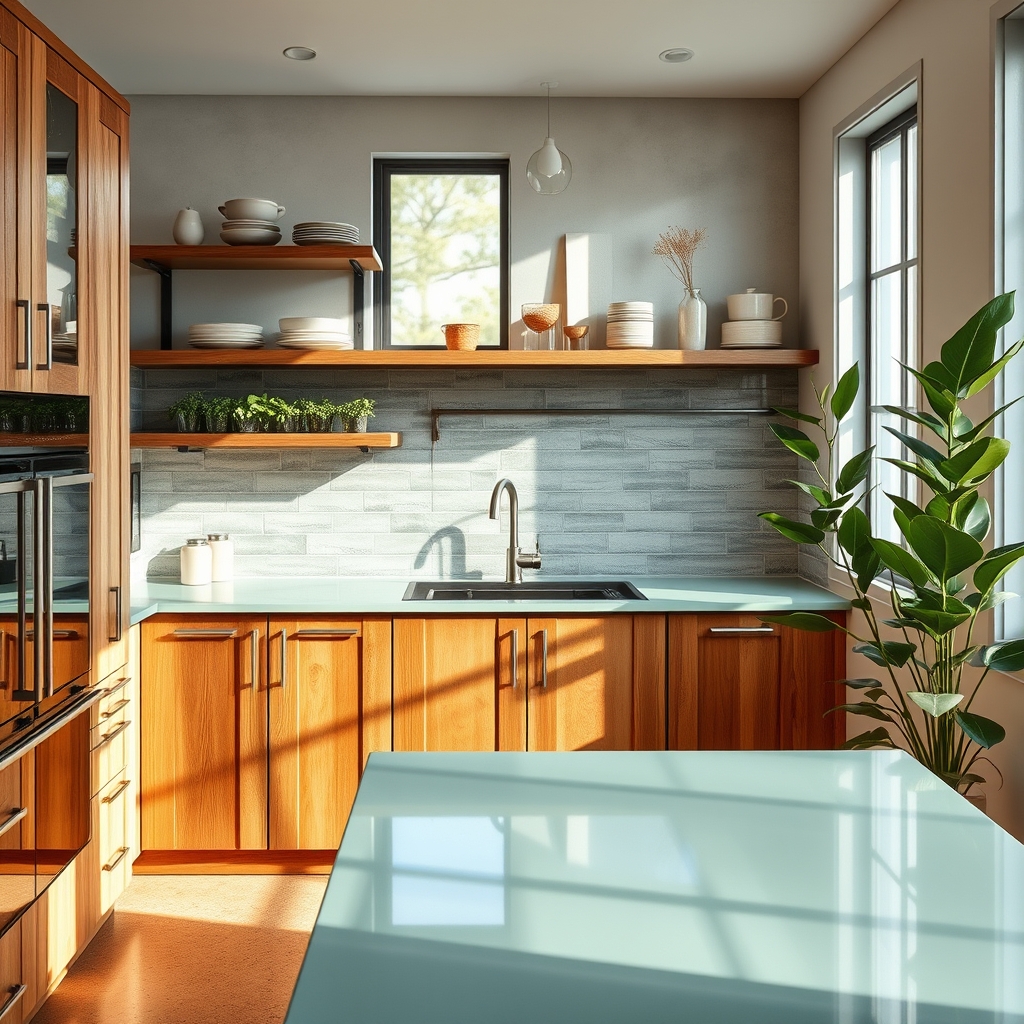
When planning your upgrade, consider how each material will complement your home’s existing design. Mixing and matching sustainable materials can create a layered, dynamic look that feels both intentional and cohesive. For example, pairing reclaimed wood cabinetry with recycled glass countertops in the kitchen can create a striking contrast that is both stylish and sustainable. Don’t be afraid to experiment with textures, colors, and finishes to achieve a look that reflects your personal style while staying true to your eco-friendly values.
Creating a greener home doesn’t require a complete overhaul or a bottomless budget. By thoughtfully selecting sustainable materials, you can make meaningful upgrades that enhance your living space, reduce your environmental impact, and even save you money in the long run. Whether you’re drawn to the rustic charm of reclaimed wood, the modern appeal of recycled metal, or the health benefits of non-toxic paints, there’s a sustainable solution for every home and every style. The choices you make today will not only shape the look and feel of your home but also contribute to a healthier, more sustainable future for generations to come.