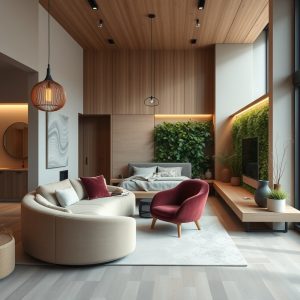
The Art of Soft Minimalism: How Curved Sofas and Earthy Palettes Create a Serene Modern Home
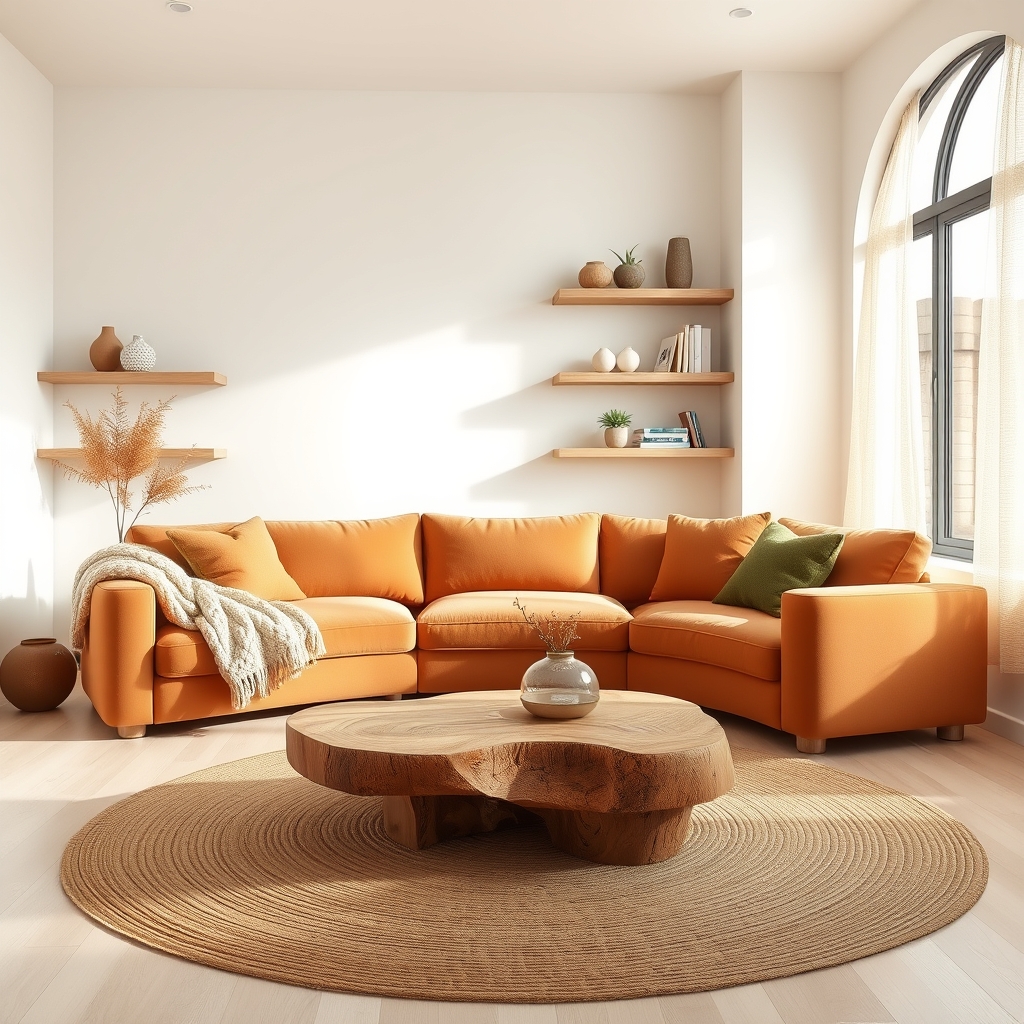
In a world where chaos often feels like the default setting, our homes have become more than just shelters—they are sanctuaries of calm, spaces where we can breathe, unwind, and reconnect with ourselves. The rise of soft minimalism in interior design reflects this shift, blending the clean lines of minimalism with the warmth of organic textures and earthy hues. This approach doesn’t just prioritize aesthetics; it nurtures well-being, creating environments that feel both intentional and inviting. At the heart of this trend lies the delicate balance between form and function, where every piece of furniture and every splash of color serves a purpose beyond mere decoration.
The Philosophy of Soft Minimalism
Soft minimalism is not about stripping a space down to its bare essentials in the name of stark simplicity. Instead, it’s about curating a home that feels uncluttered yet deeply personal, where every object has meaning and every detail contributes to a sense of harmony. This philosophy draws inspiration from both Scandinavian design, with its emphasis on functionality and coziness, and Japanese aesthetics, which celebrate imperfection and natural beauty. The result is a space that feels effortlessly elegant, where less truly becomes more—not through absence, but through thoughtful selection.
One of the defining features of soft minimalism is its rejection of cold, impersonal spaces. Instead of relying on rigid geometries and sterile surfaces, this style embraces softness in both form and texture. Curved sofas, for example, are a hallmark of this trend, offering a gentle contrast to the sharp angles often found in modern furniture. Their rounded edges invite relaxation, creating a sense of flow and movement within a room. Paired with earthy color palettes—think warm terracottas, muted olives, and soft beiges—these pieces transform a space into a haven of tranquility.
Earthy Color Palettes: The Foundation of Serenity
Color has a profound impact on our emotions and well-being, and earthy palettes are particularly effective at fostering a sense of calm. These hues, inspired by nature, evoke the grounding energy of the outdoors, making them ideal for creating a serene indoor environment. Unlike bold, high-contrast colors that can feel overwhelming, earthy tones provide a subtle backdrop that allows other design elements to shine without competing for attention.
In a soft minimalist living room, for instance, a palette of warm neutrals like sand, clay, and sage can be layered with deeper accents such as burnt umber or deep forest green. These colors work together to create depth and warmth, while still maintaining the clean, uncluttered aesthetic that defines minimalism. The key is to use color strategically—perhaps through a statement piece like a textured throw, a handwoven rug, or even a single wall painted in a rich, earthy tone. This approach ensures that the space feels cohesive and intentional, rather than disjointed or overly busy.
Textures That Tell a Story
While color sets the tone, texture brings a space to life. Soft minimalism thrives on tactile contrasts, where smooth surfaces are juxtaposed with rough, organic materials. A linen sofa, for example, might be paired with a chunky knit throw and a wooden coffee table with a live-edge finish. These textures add visual interest and warmth, preventing the space from feeling too sterile or impersonal. They also create a sensory experience, inviting touch and fostering a deeper connection to the environment.
Natural materials like wood, stone, and clay are staples of this design philosophy. They not only add texture but also bring a sense of authenticity and timelessness to a space. A wooden dining table with visible grain, for instance, tells a story of craftsmanship and natural beauty, while a stone fireplace adds a touch of raw elegance. These elements ground the design, ensuring that the space feels rooted in the natural world, even if it’s located in the heart of a bustling city.
The Role of Curved Sofas in Modern Living
Furniture plays a pivotal role in soft minimalism, and curved sofas are perhaps the most iconic representation of this trend. Unlike their angular counterparts, curved sofas soften the lines of a room, creating a sense of movement and fluidity. Their organic shapes mimic the forms found in nature, from the gentle arc of a river to the undulating curves of a hillside. This connection to the natural world is a core principle of biophilic design, which seeks to integrate nature into our built environments to enhance well-being.
Beyond their aesthetic appeal, curved sofas also offer practical benefits. Their rounded edges make them more versatile in terms of placement, allowing them to fit seamlessly into both large and small spaces. They also encourage conversation and connection, as their shape naturally draws people together. In a living room, a curved sofa can serve as the focal point, anchoring the space and creating a sense of intimacy. Paired with a low-profile coffee table and a few carefully chosen accessories, it becomes the centerpiece of a room that feels both stylish and welcoming.
Creating Multi-Functional Spaces
Soft minimalism is as much about functionality as it is about aesthetics. In today’s homes, where space is often at a premium, multi-functional design is essential. A living room, for example, might double as a home office or a guest bedroom, requiring furniture that can adapt to different needs. Curved sofas, with their versatile shapes, are well-suited to this purpose. A modular curved sofa can be rearranged to create different seating configurations, while a sofa bed offers a practical solution for overnight guests.
Hidden storage solutions are another key component of multi-functional spaces. In a soft minimalist home, clutter is the enemy of calm, so storage is designed to be both practical and discreet. Floating wall shelves, for instance, provide a place to display books or decorative objects without taking up floor space, while built-in cabinets can conceal everything from electronics to seasonal clothing. These solutions ensure that the home remains uncluttered, allowing the beauty of the design to take center stage.
Bringing It All Together
Designing a soft minimalist home is about more than just following a set of rules—it’s about creating a space that reflects your personality and meets your needs. It’s about choosing pieces that bring you joy, colors that soothe your soul, and textures that invite you to slow down and savor the moment. Whether it’s the gentle curve of a sofa, the warm embrace of an earthy palette, or the tactile pleasure of a handwoven rug, every element should contribute to a sense of harmony and balance.
The beauty of soft minimalism lies in its ability to evolve with you. As your life changes, so too can your space, with each new addition or adjustment reflecting your journey. What remains constant is the underlying philosophy: that a home should be a place of refuge, where simplicity and warmth coexist in perfect harmony. In a world that often feels overwhelming, this approach to design offers a gentle reminder that less can indeed be more—when it’s done with intention, care, and a deep appreciation for the beauty of the everyday.