The Subtle Art of Japandi Style: Crafting Serene and Sustainable Bedrooms for Modern Living
In a world where the pace of life seems to accelerate with each passing day, the spaces we retreat to at night have become more important than ever. The bedroom, once merely a place for rest, has evolved into a sanctuary—a personal haven where design meets tranquility. Among the myriad of interior design trends, Japandi style has emerged as a beacon of calm, blending the minimalist ethos of Japanese design with the cozy warmth of Scandinavian aesthetics. This fusion creates bedrooms that are not only visually stunning but also deeply sustainable and serene.
The Philosophy Behind Japandi Style
Japandi style is rooted in the principles of simplicity, functionality, and a deep connection to nature. It draws from the Japanese concept of “wabi-sabi,” which finds beauty in imperfection and transience, and the Scandinavian idea of “hygge,” which emphasizes comfort and coziness. Together, these philosophies create a design language that prioritizes quality over quantity, natural materials over synthetic alternatives, and a sense of harmony over clutter. The result is a space that feels both timeless and contemporary, where every element serves a purpose and contributes to a sense of peace.
Natural Materials and Earthy Tones
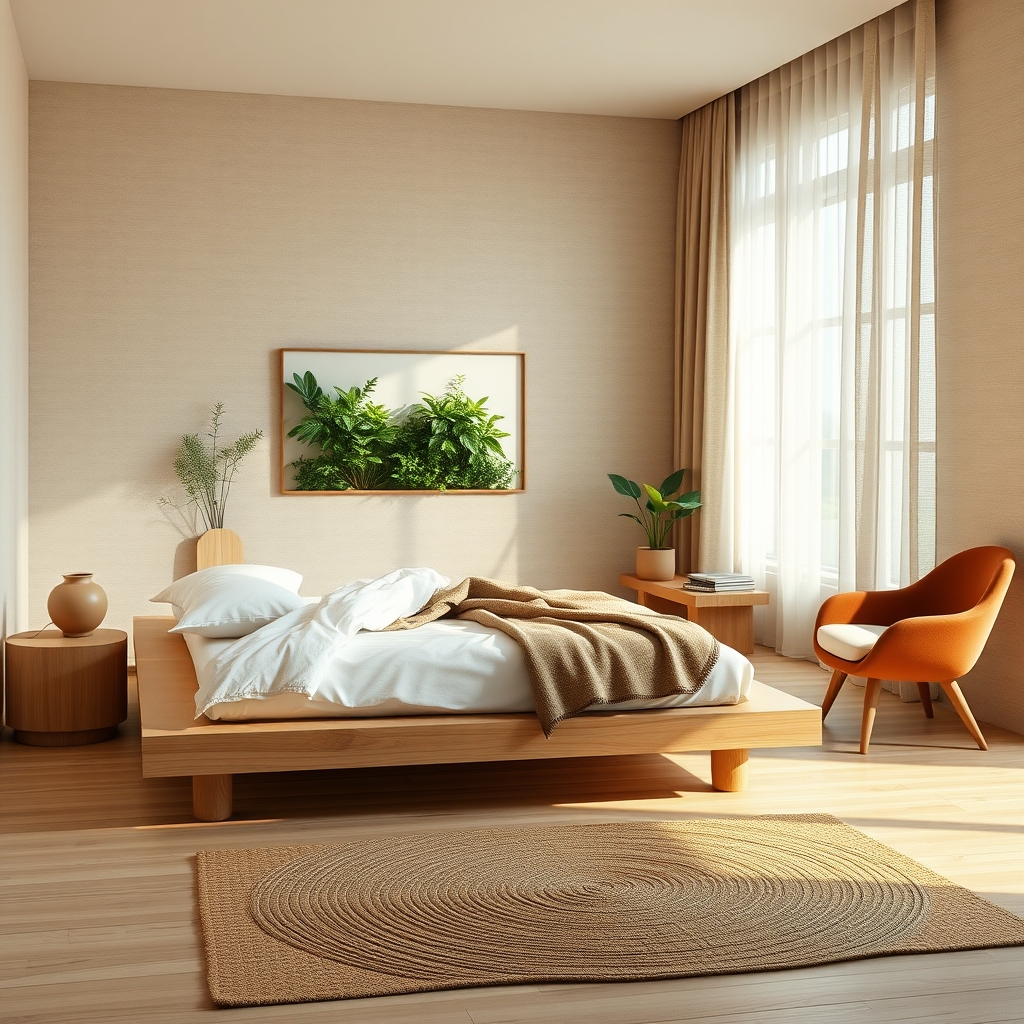
At the heart of Japandi style is the use of natural materials that bring warmth and texture to the bedroom. Wood, in its most organic form, is a cornerstone of this design approach. Light-toned woods like oak, ash, or birch are often favored for their ability to brighten a space while maintaining a sense of grounding. These woods are typically left untreated or finished with natural oils to preserve their inherent beauty and grain.
Complementing the wood are earthy color palettes that evoke the natural world. Soft neutrals like beige, taupe, and warm gray create a soothing backdrop, while muted tones of green, blue, and terracotta add depth and subtle contrast. These colors are not just chosen for their aesthetic appeal but also for their ability to create a calming atmosphere, making them ideal for a space dedicated to rest and relaxation.
Minimalism with a Human Touch
While minimalism is a key component of Japandi style, it is not the stark, cold minimalism often associated with modern design. Instead, Japandi minimalism is warm and inviting, with a focus on creating a space that feels lived-in and comfortable. This is achieved through the careful selection of furniture and decor that are both functional and beautiful. Pieces are often low to the ground, reflecting the Japanese tradition of floor seating and sleeping, and are designed with clean lines and organic shapes that soften the overall look of the room.
Furniture in a Japandi bedroom is typically multi-functional, serving more than one purpose to maximize space and reduce clutter. For example, a low wooden platform bed might double as storage, with drawers built into the frame, or a simple bench at the foot of the bed could provide both seating and a place to store extra blankets. This approach not only enhances the functionality of the space but also aligns with the sustainable ethos of Japandi design, encouraging mindful consumption and a focus on quality over quantity.
Sustainable Practices in Japandi Bedrooms
Sustainability is a core principle of Japandi style, and it is woven into every aspect of the design process. From the materials used to the way the space is furnished, every decision is made with the environment in mind. One of the most significant ways Japandi style promotes sustainability is through the use of eco-friendly materials. Reclaimed wood, bamboo, and cork are popular choices for furniture and flooring, as they are renewable and have a lower environmental impact than traditional materials like hardwood or synthetic alternatives.
In addition to materials, Japandi design also emphasizes the importance of longevity and durability. Furniture and decor are chosen for their timeless appeal and high quality, ensuring they will last for years to come. This approach not only reduces waste but also encourages a more mindful and intentional way of living. By investing in pieces that are built to last, homeowners can create a bedroom that remains stylish and functional for decades, rather than following fleeting trends that quickly go out of style.
Biophilic Design Elements
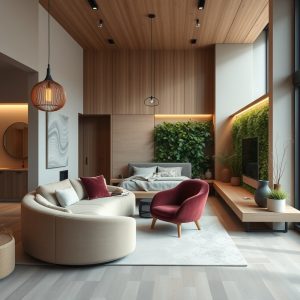
Biophilic design, which seeks to connect occupants with nature, is another key aspect of Japandi style. In a Japandi bedroom, this connection is often achieved through the use of natural materials, as well as the incorporation of plants and natural light. Indoor garden walls, for example, can bring a touch of greenery into the space, improving air quality and creating a sense of tranquility. Similarly, large windows that allow for plenty of natural light can help to blur the boundaries between indoor and outdoor spaces, fostering a deeper connection to the natural world.
Textured wallpapers with organic patterns, such as subtle leaf motifs or abstract representations of natural landscapes, can also enhance the biophilic feel of a Japandi bedroom. These wallpapers add visual interest and depth to the space without overwhelming it, creating a backdrop that feels both calming and inspiring. When paired with soft, diffused lighting from statement fixtures like paper lanterns or woven pendant lights, the effect is one of warmth and serenity, making the bedroom a true retreat from the outside world.
Creating a Cozy and Functional Space
While Japandi style is undeniably minimalist, it is also deeply cozy and inviting. This balance is achieved through the use of soft textiles, layered lighting, and thoughtful decor that adds personality to the space. Velvet accent chairs in muted tones, for example, can provide a touch of luxury and comfort, while a plush area rug in a natural fiber like wool or jute can add warmth and texture to the floor. These elements work together to create a space that feels both stylish and lived-in, where every detail has been carefully considered to enhance the overall sense of well-being.
Lighting plays a crucial role in setting the mood in a Japandi bedroom. Soft, warm lighting is preferred over harsh, bright lights, as it creates a more relaxing and intimate atmosphere. Statement lighting fixtures, such as a sculptural pendant light or a minimalist floor lamp, can serve as a focal point in the room, drawing the eye and adding visual interest. Meanwhile, smaller task lights, like a bedside table lamp or a wall sconce, can provide functional lighting for reading or other activities without disrupting the overall ambiance.
Hidden storage solutions are another hallmark of Japandi design, helping to maintain the clean, uncluttered look of the space while providing practical storage options. Built-in wardrobes, under-bed storage, and floating wall shelves are all popular choices, as they allow homeowners to keep their belongings out of sight while still having easy access to them. These solutions not only enhance the functionality of the space but also contribute to the overall sense of calm and order that defines Japandi style.
As the lines between work and home continue to blur, the importance of creating a space that promotes relaxation and well-being has never been more apparent. Japandi style offers a blueprint for designing bedrooms that are not only beautiful but also sustainable, functional, and deeply serene. By embracing the principles of minimalism, natural materials, and biophilic design, homeowners can create a personal sanctuary that nourishes the mind, body, and soul—a space where every element has been thoughtfully chosen to foster a sense of peace and harmony in an increasingly chaotic world.