The Modern Home’s Secret Weapon: How Hidden Storage and Japandi Style Create Effortless Serenity
In the ever-evolving world of interior design, the quest for a home that feels both stylish and serene has led many to embrace two powerful concepts: hidden storage solutions and Japandi style. These elements, when combined, create spaces that are not only visually stunning but also deeply functional, offering a sense of calm and order that modern living often demands. The magic lies in their ability to blend seamlessly into the background while enhancing the overall aesthetic, proving that true sophistication is found in simplicity.
The Philosophy Behind Japandi Style
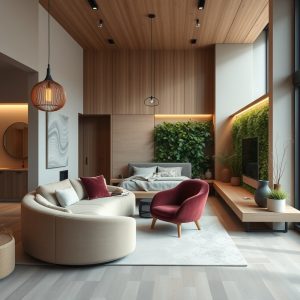
Japandi style, a harmonious fusion of Japanese minimalism and Scandinavian functionality, has taken the design world by storm. At its core, Japandi is about creating spaces that feel uncluttered, warm, and intentional. It celebrates natural materials like wood and stone, soft neutral palettes, and a focus on craftsmanship. The result is a home that feels both timeless and contemporary, where every piece has a purpose and nothing is superfluous.
This design philosophy extends beyond aesthetics; it’s a way of living. By prioritizing quality over quantity, Japandi encourages mindful consumption and a deeper connection to the items we bring into our homes. The style’s emphasis on natural light and open spaces further enhances its calming effect, making it an ideal choice for those seeking refuge from the chaos of daily life.
The Power of Hidden Storage
While Japandi style sets the tone for a serene environment, hidden storage solutions ensure that the tranquility isn’t disrupted by clutter. In modern homes, where space is often at a premium, the ability to tuck away belongings while maintaining a clean, streamlined look is invaluable. Hidden storage can take many forms, from built-in cabinets and under-stair drawers to multi-functional furniture like ottomans with hidden compartments or beds with built-in storage.
The beauty of hidden storage lies in its ability to preserve the integrity of a space’s design. Unlike traditional storage solutions that can feel bulky or out of place, hidden storage is designed to blend in, often becoming invisible until needed. This approach not only maximizes space but also reinforces the minimalist ethos of Japandi style, where every element serves a purpose without drawing unnecessary attention.
Integrating Hidden Storage into Japandi Spaces
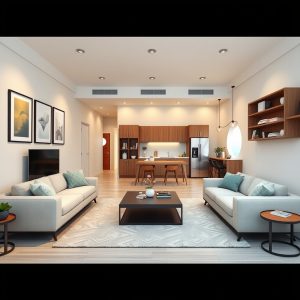
One of the most effective ways to incorporate hidden storage into a Japandi-inspired home is through custom-built solutions. For example, floor-to-ceiling cabinetry in a living room can provide ample storage while maintaining a sleek, uninterrupted look. Similarly, kitchen islands with concealed drawers or pull-out pantries can keep countertops clear and clutter-free, aligning with the Japandi principle of simplicity.
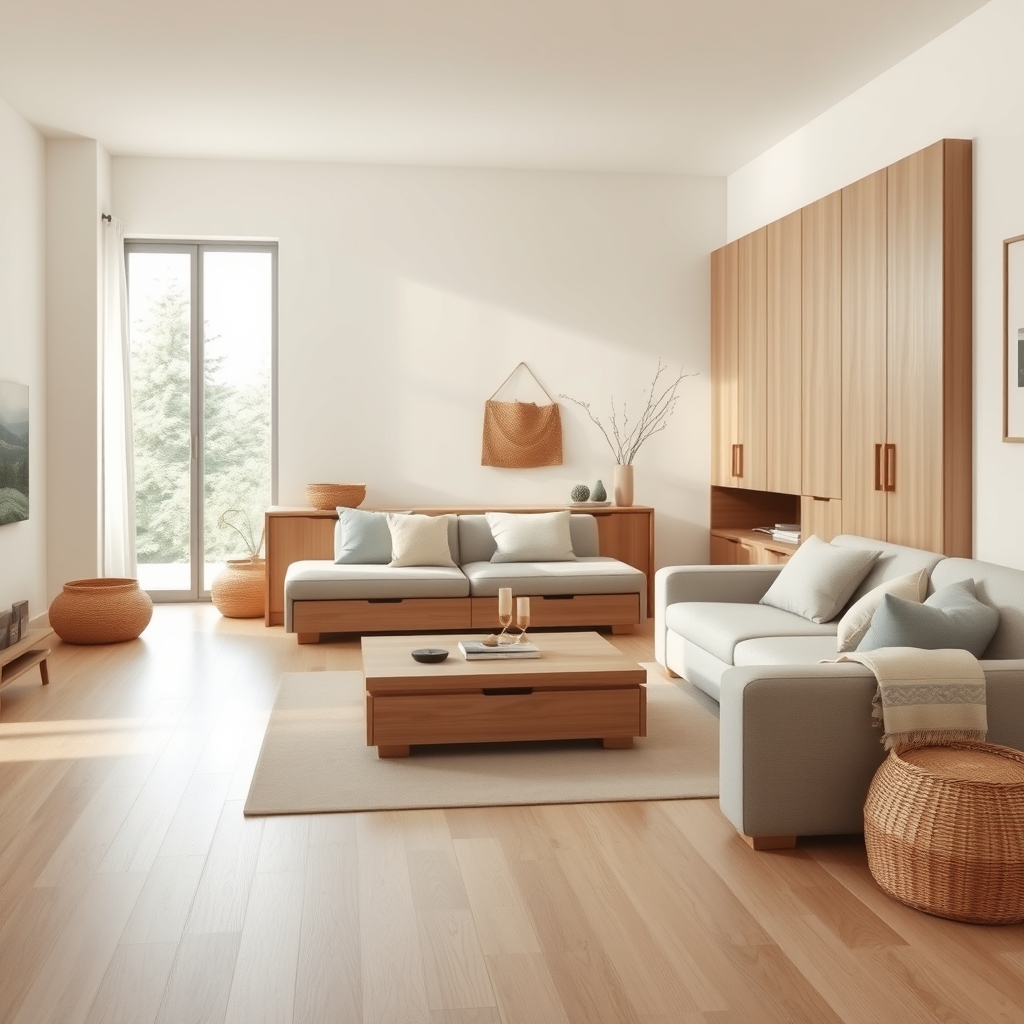
Furniture also plays a crucial role in this integration. A Japandi-style sofa with built-in storage underneath or a coffee table with hidden compartments can serve dual purposes, offering both functionality and style. Even smaller details, like wall-mounted shelves with concealed brackets or sliding doors that hide storage nooks, can make a significant difference in maintaining the clean lines and uncluttered feel that define Japandi interiors.
The Role of Natural Materials and Textures
Japandi style is deeply rooted in the use of natural materials, and this extends to hidden storage solutions as well. Wood, in particular, is a staple of the style, whether it’s light oak for a Scandinavian touch or darker walnut for a Japanese influence. Incorporating these materials into storage solutions—such as wooden cabinetry with minimalist hardware or woven baskets that blend into the decor—ensures that functionality doesn’t come at the expense of aesthetics.
Textures also play a key role in creating a warm and inviting atmosphere. A mix of smooth surfaces, like polished wood or stone, with softer elements, such as linen or wool, adds depth and interest to a space. When paired with hidden storage, these textures help create a cohesive look that feels both intentional and effortless, reinforcing the Japandi philosophy of simplicity and harmony.
Creating a Cohesive Japandi-Inspired Home
To fully embrace the Japandi aesthetic, it’s important to consider the flow and continuity of your space. Start by selecting a neutral color palette, with shades of white, beige, gray, and soft earthy tones serving as the foundation. These colors create a sense of calm and allow natural materials and textures to take center stage. Next, focus on furniture that embodies the Japandi ethos—clean lines, functional design, and a mix of Scandinavian and Japanese influences.
Lighting is another critical element in Japandi interiors. Opt for soft, diffused lighting that enhances the warmth of the space. Paper lanterns, woven pendant lights, or minimalist floor lamps can all contribute to the serene ambiance. When combined with hidden storage solutions, these lighting choices help create a home that feels both spacious and intimate, where every detail has been thoughtfully considered.
The true beauty of combining Japandi style with hidden storage lies in the way it transforms a house into a sanctuary. It’s a design approach that values both form and function, where every element serves a purpose and nothing is out of place. By embracing this philosophy, you can create a home that not only looks beautiful but also feels like a retreat from the world—a space where simplicity and serenity coexist in perfect harmony. Whether you’re redesigning a single room or your entire home, the principles of Japandi and hidden storage offer a timeless blueprint for modern living, where less truly is more.