The Modern Home’s Secret Garden: How Indoor Garden Walls and Japandi Style Cultivate Serenity and Sustainability
There’s a quiet revolution happening in modern interior design—one where nature and minimalism intertwine to create spaces that nourish both the soul and the environment. At the heart of this movement lies the fusion of indoor garden walls and Japandi style, a pairing that transforms homes into sanctuaries of calm, functionality, and timeless beauty. This isn’t just about aesthetics; it’s about crafting a lifestyle where every element serves a purpose, from the air you breathe to the way light dances across textured surfaces.
The Philosophy Behind Japandi Style
Japandi style is more than a trend—it’s a philosophy. Born from the marriage of Japanese minimalism and Scandinavian functionality, this design ethos prioritizes simplicity, natural materials, and a deep connection to the environment. The result is a space that feels uncluttered yet warm, where every piece of furniture and decor is chosen with intention. Think clean lines, muted earthy tones, and an emphasis on craftsmanship over mass production. The beauty of Japandi lies in its ability to create harmony without sacrificing comfort, making it the perfect foundation for a modern home.
What sets Japandi apart is its focus on sustainable interior design. The use of organic materials like wood, linen, and stone not only reduces environmental impact but also brings a tactile quality to spaces. These materials age gracefully, developing a patina that tells a story over time. In a world dominated by disposable culture, Japandi style reminds us of the value of longevity and mindful consumption.
Bringing Nature Indoors with Garden Walls
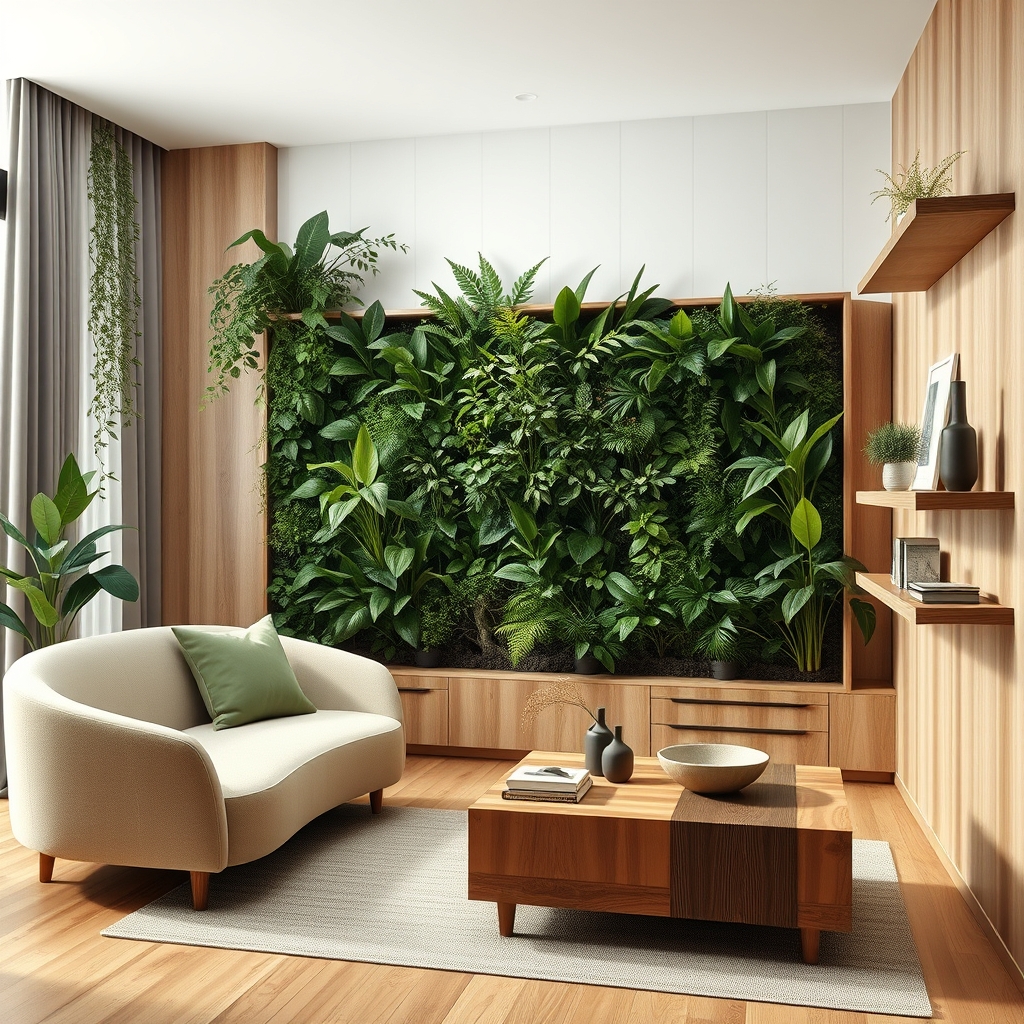
If Japandi style is the soul of a home, then indoor garden walls are its beating heart. These living installations do more than just add a splash of green—they purify the air, boost mental well-being, and create a dynamic focal point in any room. Whether it’s a lush vertical garden in the living room or a modest herb wall in the kitchen, these features blur the line between indoor and outdoor spaces, fostering a sense of tranquility that’s hard to replicate with traditional decor.
The benefits of indoor garden walls extend beyond aesthetics. Studies have shown that biophilic design—incorporating natural elements into interiors—can reduce stress, improve cognitive function, and even enhance productivity. For urban dwellers, where access to green spaces is limited, these walls offer a tangible way to reconnect with nature. They also align perfectly with the principles of sustainable interior design, as they can be created using low-water plants, reclaimed materials, and energy-efficient LED grow lights.
Designing Your Indoor Garden Wall
Creating an indoor garden wall doesn’t require a green thumb or a sprawling space. Start by assessing the light conditions in your home. South-facing walls will thrive with sun-loving plants like succulents or ferns, while low-light areas can be adorned with hardy varieties like pothos or snake plants. Modular systems, such as felt pockets or hydroponic panels, make installation a breeze, even for renters. For a more permanent solution, consider custom-built wooden frames or repurposed pallet shelves to house your plants.
When selecting plants, think about texture and color. Mix trailing vines with upright foliage to create depth, and incorporate flowering plants like peace lilies or orchids for a touch of elegance. Don’t forget to consider maintenance—self-watering systems or drip irrigation can keep your garden wall lush with minimal effort. The key is to choose plants that not only thrive in your environment but also complement the Japandi aesthetic, with their understated beauty and organic forms.
The Synergy of Japandi and Biophilic Design
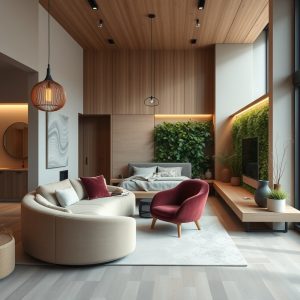
Japandi style and biophilic design are natural allies. Both philosophies share a reverence for nature, a commitment to sustainability, and a desire to create spaces that feel alive. When combined, they elevate a home from merely functional to truly transformative. Imagine a Japandi style bedroom with a soft, earthy color palette, where a floating wooden bed frame is paired with linen bedding and a small indoor garden wall behind the headboard. The result is a space that feels like a retreat, where every detail has been curated to promote rest and rejuvenation.
In the living room, this synergy can be expressed through multi-functional spaces that blend form and function. A curved sofa in a neutral tone provides a cozy seating area, while a low wooden coffee table doubles as storage. A statement lighting fixture, perhaps a sculptural pendant in matte black, casts a warm glow over the room, highlighting the textures of a nearby garden wall. The space feels open yet intimate, modern yet timeless—a testament to the power of thoughtful design.
Incorporating Earthy Tones and Textures
Color plays a pivotal role in both Japandi and biophilic design. Earthy color palettes—think warm whites, soft grays, muted greens, and deep browns—create a sense of grounding and tranquility. These hues mimic the natural world, evoking the serenity of a forest or the calm of a sandy beach. To add depth, layer in textures like woven baskets, rough-hewn wood, and plush velvet accent chairs. These elements engage the senses, making a space feel inviting and lived-in.
For those who love a touch of drama, consider incorporating matte black hardware or art deco accents into your design. These elements add contrast and sophistication without disrupting the overall harmony. A black-framed mirror, for example, can anchor a Japandi-inspired entryway, while a geometric art deco vase adds a hint of glamour to a minimalist console table. The key is balance—letting nature-inspired elements take center stage while using bold accents sparingly to create visual interest.
Creating a Multi-Functional Haven
Modern living often demands versatility, and Japandi style is uniquely suited to meet this challenge. Multi-functional spaces are a hallmark of this design approach, where every piece of furniture serves a purpose beyond its primary function. A floating wall shelf might display a curated collection of books and plants while also concealing storage for everyday essentials. A cozy reading nook could double as a guest sleeping area with the addition of a sleek daybed or a pull-out sofa.
In the kitchen, smart kitchen technology can seamlessly integrate with Japandi aesthetics. Imagine a sleek, matte black induction cooktop paired with open shelving made from reclaimed wood. A small indoor herb garden on the windowsill not only provides fresh ingredients but also reinforces the connection to nature. Even the smallest details, like hidden storage solutions in cabinetry or a pull-out pantry, can enhance the functionality of the space without compromising its clean lines.
The beauty of Japandi style is its adaptability. Whether you’re designing a compact urban apartment or a sprawling suburban home, its principles can be tailored to fit your needs. By embracing minimalism, sustainability, and a deep connection to nature, you create a space that’s not just beautiful but also deeply personal—a reflection of a lifestyle that values quality over quantity, and harmony over chaos.
In a world that often feels overwhelming, our homes should be a refuge—a place where we can slow down, breathe deeply, and reconnect with what truly matters. The fusion of indoor garden walls and Japandi style offers a path to achieving just that. It’s not about following trends or accumulating more; it’s about curating a space that nurtures your well-being, respects the planet, and stands the test of time. As you embark on your own design journey, remember that the most meaningful spaces are those that grow and evolve with you, just like the plants on your garden wall, reaching toward the light with quiet resilience.