Recessed Lighting Installation: Brighten Your Home with Style, Function, and Energy Efficiency
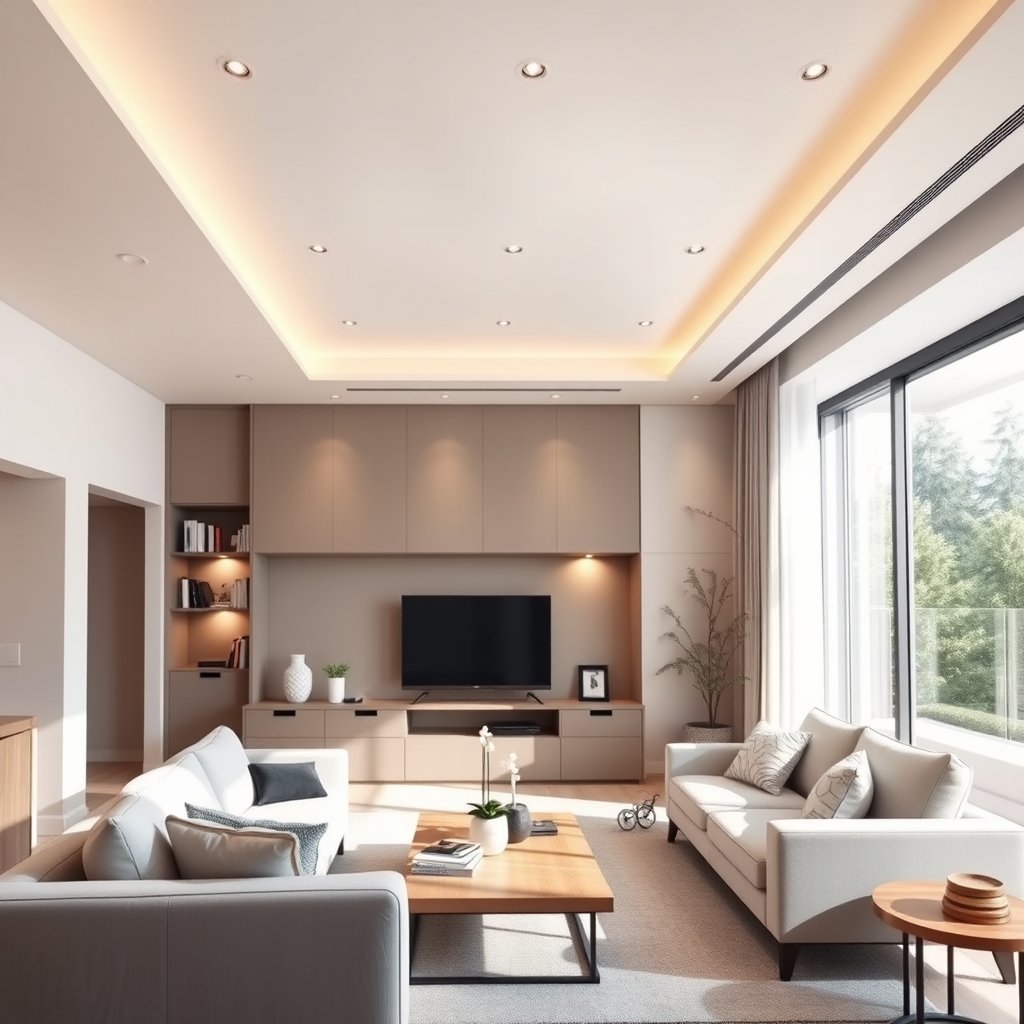
Lighting can transform a house into a home, setting the mood, enhancing functionality, and even making spaces appear larger and more inviting. Among the many lighting options available, recessed lighting stands out as a sleek, modern solution that blends seamlessly into ceilings while providing powerful illumination. Whether you’re renovating a kitchen, updating a living room, or finishing a basement, recessed lighting offers a versatile and energy-efficient way to elevate your space. Unlike traditional fixtures that hang down or protrude from walls, recessed lights sit flush with the ceiling, creating a clean, uncluttered look that complements any interior design style.
The Benefits of Recessed Lighting
Recessed lighting isn’t just about aesthetics—it’s a practical upgrade that delivers several key advantages. First and foremost, it maximizes ceiling space, making rooms feel more open and airy. This is particularly beneficial in smaller areas or rooms with low ceilings, where bulky fixtures can feel overwhelming. Additionally, recessed lighting provides focused, directional illumination, allowing you to highlight specific areas like kitchen countertops, artwork, or architectural features without creating harsh shadows.
Energy efficiency is another major perk. Modern recessed lighting often uses LED bulbs, which consume significantly less energy than traditional incandescent or halogen bulbs. LEDs also last much longer, reducing the need for frequent replacements and lowering long-term maintenance costs. Many recessed lighting systems are compatible with dimmer switches, giving you full control over brightness levels to create the perfect ambiance for any occasion—whether it’s a cozy movie night or a lively dinner party.
Planning Your Recessed Lighting Installation
Before diving into installation, careful planning is essential to ensure optimal results. Start by assessing the room’s layout and identifying key areas that need illumination, such as workspaces, seating areas, or focal points like fireplaces or bookshelves. A well-designed lighting plan typically includes a mix of general, task, and accent lighting. For example, in a kitchen, you might use recessed lights for overall brightness, under-cabinet lighting for task areas, and pendant lights for a decorative touch.
Spacing is another critical factor. As a general rule, recessed lights should be placed about 4 to 6 feet apart to ensure even coverage. However, this can vary depending on the room’s size, ceiling height, and the type of bulb used. For higher ceilings, you may need more powerful bulbs or additional fixtures to maintain adequate brightness. It’s also important to consider the beam angle of the lights—narrow beams are ideal for accent lighting, while wider beams work better for general illumination.
Choosing the Right Fixtures and Bulbs
Not all recessed lighting fixtures are created equal. The type you choose will depend on your ceiling structure, insulation, and desired aesthetic. For example, new construction housings are installed before drywall, making them ideal for major renovations or new builds. Remodel housings, on the other hand, are designed for existing ceilings and can be installed through small openings, making them a great choice for quick updates.
When it comes to bulbs, LED options are the clear winner for energy efficiency and longevity. Look for bulbs with a high Color Rendering Index (CRI) to ensure accurate color representation in your space. Warm white bulbs (2700K-3000K) create a cozy atmosphere, while cool white or daylight bulbs (3500K-5000K) are better suited for task lighting in kitchens or bathrooms. If you’re aiming for a smart home setup, consider recessed lights with built-in Wi-Fi or Bluetooth connectivity, allowing you to control them via smartphone or voice assistants like Alexa or Google Home.
DIY vs. Professional Installation
While some homeowners may feel confident tackling recessed lighting installation as a DIY project, it’s important to weigh the pros and cons. Electrical work can be complex and potentially hazardous, especially if you’re unfamiliar with wiring or local building codes. Mistakes can lead to poor performance, safety hazards, or even fire risks. For this reason, many homeowners opt to hire a licensed electrician, particularly for larger projects or homes with older wiring.
If you do decide to go the DIY route, start by turning off the power at the circuit breaker and using a voltage tester to confirm the wires are dead. Follow the manufacturer’s instructions carefully, and don’t hesitate to consult online tutorials or seek advice from hardware store experts. For those with vaulted ceilings or hard-to-reach areas, professional installation is often the safer and more efficient choice.
Design Tips for a Stunning Effect
Recessed lighting is incredibly versatile, but its impact depends on how you use it. To create a layered lighting effect, combine recessed lights with other fixtures like chandeliers, wall sconces, or floor lamps. In living rooms, consider placing lights around the perimeter of the ceiling to draw the eye outward and make the space feel larger. For hallways or entryways, a row of evenly spaced recessed lights can guide the way while adding a modern touch.
Don’t be afraid to get creative with placement. For example, installing recessed lights inside a tray ceiling or along a coved edge can add depth and drama. In bathrooms, waterproof recessed lights can provide bright, even illumination around mirrors, reducing shadows and making grooming tasks easier. If you’re working with a sloped ceiling, adjustable recessed fixtures allow you to direct light exactly where it’s needed.
Recessed lighting is more than just a functional upgrade—it’s an opportunity to enhance your home’s beauty, efficiency, and comfort. By carefully planning your layout, choosing the right fixtures, and considering both aesthetics and practicality, you can create a lighting scheme that transforms your space into a brighter, more inviting haven. Whether you’re illuminating a cozy reading nook or a sprawling open-concept kitchen, the right lighting can make all the difference, turning everyday moments into something extraordinary.