Multi-Generational Living Spaces: Designing a Home That Grows With Your Family
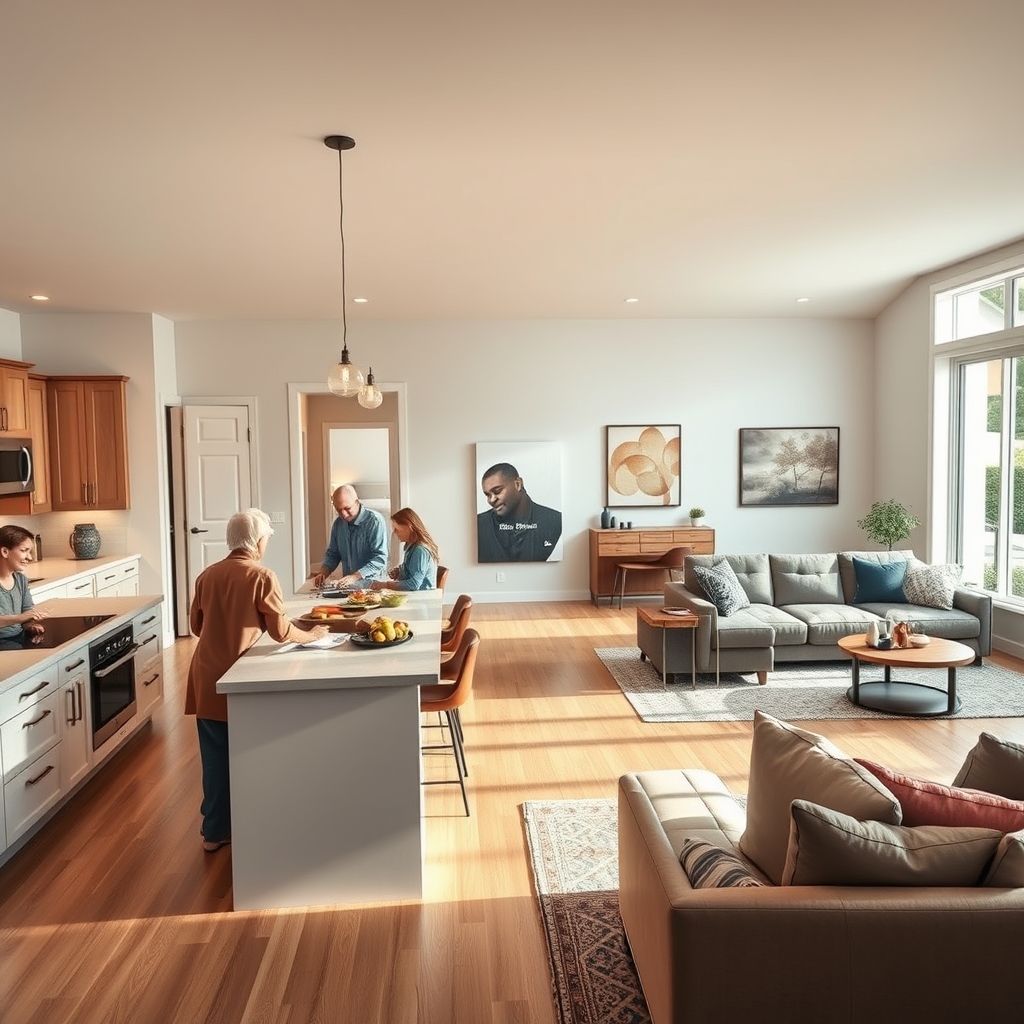
As families evolve, so do their living needs. Multi-generational households—where grandparents, parents, and children share a home—are becoming increasingly common, driven by cultural shifts, economic factors, and the desire for closer familial bonds. Designing a space that accommodates everyone comfortably while maintaining privacy and functionality requires thoughtful planning. The good news? You don’t need a sprawling mansion to create a harmonious multi-generational living space. With smart design choices, even modest homes can be retrofitted to support this lifestyle beautifully.
The Rise of Multi-Generational Living
Multi-generational living isn’t a new concept, but its resurgence in modern times is undeniable. According to recent studies, nearly one in four Americans now live in a multi-generational household, a number that has more than doubled since the 1980s. This trend is fueled by a variety of factors, including rising housing costs, the need for childcare or eldercare support, and the cultural value placed on keeping families close. However, blending different generations under one roof comes with its own set of challenges, particularly when it comes to space and privacy.
Many homes built in the last few decades were designed with the nuclear family in mind—open layouts for parents and kids, but little consideration for extended family members. Retrofitting these spaces to accommodate grandparents or adult children requires creativity and a focus on flexibility. The goal is to create areas that feel connected yet independent, where each generation can enjoy their own routines without feeling cramped or isolated.
Key Design Principles for Multi-Generational Spaces
When planning a multi-generational home, the first step is to assess the needs of each family member. Older adults may require accessibility features like wider doorways, step-free showers, or grab bars in bathrooms. Younger generations might prioritize private workspaces or play areas for children. Balancing these needs without sacrificing style or comfort is the challenge—and the opportunity.
1. Flexible Floor Plans
Open-concept layouts are popular for their airy, communal feel, but they can lack the privacy needed in a multi-generational home. Instead, consider a hybrid approach: maintain open areas for shared activities like cooking and dining, but carve out distinct zones for each generation. For example, a finished basement or attic conversion can serve as a self-contained suite for grandparents, complete with a bedroom, bathroom, and sitting area. Alternatively, a main-floor bedroom with an en-suite bathroom can provide accessibility for older adults while keeping them close to the heart of the home.
If structural changes aren’t feasible, modular furniture and room dividers can create temporary privacy. Sliding doors, bookshelves, or even curtains can delineate spaces without the permanence of walls. This flexibility allows the home to adapt as family dynamics change over time.
2. Accessibility Without Compromise
Accessibility is a critical consideration in multi-generational design, but it doesn’t have to mean sacrificing aesthetics. Universal design principles—such as lever-style door handles, non-slip flooring, and adjustable-height countertops—can be seamlessly integrated into any home. For bathrooms, consider curbless showers with built-in benches and handheld showerheads, which are both stylish and functional. Widening doorways to at least 36 inches ensures wheelchair accessibility without making the space feel clinical.
Lighting is another often-overlooked aspect of accessibility. Older adults may need brighter, glare-free lighting in hallways and staircases, while younger family members might prefer dimmable options for ambiance. Layered lighting—combining overhead fixtures, task lighting, and accent lights—can cater to everyone’s needs while enhancing the home’s overall design.
3. Shared and Private Spaces
The key to a successful multi-generational home is striking the right balance between shared and private areas. Common spaces like the kitchen, living room, and outdoor patio should be designed to encourage interaction, with comfortable seating and easy flow between areas. However, it’s equally important to provide private retreats where family members can recharge. This might mean adding a small sitting area to a bedroom, creating a cozy nook in a hallway, or even designing a quiet courtyard or balcony for outdoor solitude.
Storage is another critical factor in maintaining harmony. With more people comes more stuff, so built-in cabinets, under-stair storage, and multi-functional furniture (like ottomans with hidden compartments) can help keep clutter at bay. Custom storage solutions tailored to each generation’s needs—such as a mudroom for kids’ backpacks or a pantry for bulk groceries—can make daily life more organized and stress-free.
Budget-Friendly Upgrades for Multi-Generational Living
Creating a multi-generational home doesn’t have to break the bank. Many of the most impactful changes can be made with modest investments, especially if you focus on high-impact, low-cost upgrades. For example, replacing traditional doorknobs with lever handles is an affordable way to improve accessibility. Swapping out heavy drapes for light-filtering shades can brighten a space while maintaining privacy. Even something as simple as rearranging furniture to create clearer pathways can make a home feel more functional and welcoming.
If you’re considering a larger renovation, prioritize projects that offer the most bang for your buck. Converting an underutilized space—like a garage, attic, or basement—into a self-contained suite can add significant value to your home while providing much-needed privacy for extended family members. Energy-efficient upgrades, such as adding insulation or replacing old windows, can also pay off in the long run by reducing utility bills and improving comfort for everyone.
For those on a tight budget, DIY projects can make a big difference. Painting walls in light, neutral colors can make a space feel larger and more cohesive. Adding peel-and-stick backsplash tiles or updating cabinet hardware can give a kitchen or bathroom a fresh, modern look without the cost of a full remodel. Even small touches, like installing motion-sensor lights in hallways or adding non-slip rugs, can enhance safety and functionality without a major investment.
Sustainable Choices for Long-Term Savings
Multi-generational living often means higher utility costs, but sustainable upgrades can help offset these expenses. Energy-efficient appliances, LED lighting, and smart thermostats can reduce monthly bills while making the home more comfortable. If you’re renovating, consider using eco-friendly materials like bamboo flooring, reclaimed wood, or low-VOC paints, which are better for the environment and the health of your family.
Water conservation is another area where small changes can add up. Installing low-flow faucets and showerheads, fixing leaks promptly, and choosing drought-resistant plants for outdoor spaces can reduce water usage without sacrificing performance. These upgrades not only save money but also align with the values of sustainability and responsibility that many multi-generational families share.
Designing a home that grows with your family is about more than just adding square footage—it’s about creating a space that fosters connection, respects individual needs, and adapts to life’s changes. Whether you’re retrofitting an existing home or building from scratch, the principles of flexibility, accessibility, and thoughtful design can transform any house into a multi-generational haven. The result is a home that doesn’t just accommodate your family’s needs today but evolves with them, offering comfort, privacy, and joy for years to come. In a world where time together is the most precious commodity, a well-designed multi-generational home becomes more than just a place to live—it becomes a foundation for memories, a sanctuary for all, and a testament to the strength of family bonds.