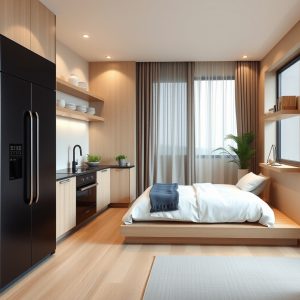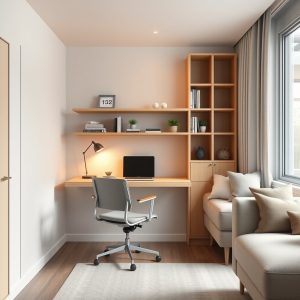
Textured Wallpapers and Earthy Tones: Crafting a Warm, Tactile Haven in Your Home

There’s something deeply comforting about a home that feels lived-in yet intentionally designed—a space where every surface invites touch and every corner exudes warmth. In an era where sleek minimalism often dominates, the resurgence of textured wallpapers and earthy color palettes offers a refreshing alternative, one that balances sophistication with sensory richness. These elements don’t just decorate a room; they transform it into a tactile sanctuary, where design and emotion intertwine.
The Rise of Textured Wallpapers: Beyond Flat Surfaces
For decades, wallpaper was synonymous with busy patterns and outdated aesthetics, relegated to the realm of grandmothers’ parlors or retro diners. But today’s textured wallpapers are a far cry from their predecessors. Modern iterations embrace depth, dimension, and subtlety, turning walls into works of art that engage both the eye and the fingertips. From grasscloth and linen weaves to embossed metallics and 3D geometric reliefs, these wallpapers add layers of complexity to a space without overwhelming it.
One of the most compelling aspects of textured wallpaper is its ability to mimic natural materials. Grasscloth, for instance, brings the organic irregularity of woven fibers into a room, creating a soft, breathable backdrop that feels both rustic and refined. Similarly, embossed designs can replicate the look of hand-carved wood or stone, adding a sense of craftsmanship that’s hard to achieve with paint alone. These materials don’t just look good—they feel good, too, offering a tactile experience that flat surfaces simply can’t match.
Choosing the Right Texture for Your Space
Not all textures are created equal, and the key to using them effectively lies in understanding the mood you want to create. For a cozy reading nook or bedroom, soft, fibrous textures like linen or sisal can evoke a sense of warmth and intimacy. In contrast, a dining room or entryway might benefit from bolder textures, such as embossed leather or metallic finishes, which add a touch of drama and sophistication. The scale of the texture matters, too—small, intricate patterns can make a room feel more intimate, while larger, bolder textures can open up a space and make it feel more expansive.
When selecting textured wallpaper, consider the existing elements in your room. If you have a lot of smooth, glossy surfaces—like glass, metal, or polished wood—textured wallpaper can provide a beautiful contrast, adding depth and balance. On the other hand, if your space already features a lot of natural textures, like exposed brick or reclaimed wood, you might opt for a subtler wallpaper to avoid visual clutter.
Earthy Color Palettes: The Foundation of Warmth
While texture adds physical depth to a room, color sets the emotional tone. Earthy color palettes—think warm terracottas, muted ochres, deep forest greens, and soft clay tones—are having a moment, and for good reason. These hues are inherently soothing, evoking the natural world and creating a sense of grounding in a space. Unlike cooler tones, which can feel sterile or impersonal, earthy colors wrap a room in warmth, making it feel inviting and lived-in.
The beauty of earthy palettes lies in their versatility. They can be bold and dramatic, like a deep burnt sienna or olive green, or soft and understated, like a pale sand or warm taupe. These colors also pair beautifully with a wide range of materials, from natural wood and stone to metals like brass and copper. This flexibility makes them ideal for creating a cohesive look across different rooms, whether you’re designing a Japandi-style bedroom or a rustic-modern kitchen.
Layering Colors for Depth and Dimension
One of the secrets to working with earthy color palettes is layering. Rather than relying on a single hue, consider combining multiple shades within the same family to create depth and interest. For example, you might paint your walls a soft clay color and then layer in furniture and decor in deeper terracotta or muted mustard tones. This approach prevents the space from feeling flat or monotonous, adding richness and complexity to the design.
Another way to enhance an earthy palette is by incorporating contrasting textures. A smooth, matte wall in a warm beige can be elevated with a chunky knit throw, a woven rattan chair, or a rough-hewn wooden coffee table. These textures not only add visual interest but also reinforce the natural, tactile quality of the color scheme. The result is a space that feels harmonious and dynamic, where every element plays a role in creating a cohesive whole.
Bringing It All Together: Textured Walls and Earthy Tones in Action
Imagine walking into a living room where the walls are covered in a linen-textured wallpaper in a soft, warm gray. The texture adds a subtle, organic feel to the space, while the color provides a neutral backdrop that allows other elements to shine. A curved sofa in a deep olive velvet anchors the room, its rich hue complementing the wallpaper while adding a touch of luxury. Floating shelves made of reclaimed wood display a collection of vintage pottery and potted plants, their earthy tones echoing the room’s color palette. A statement lighting fixture with a matte black finish hangs above, its bold design contrasting with the softness of the walls and sofa.
In this space, every element works together to create a sense of warmth and comfort. The textured wallpaper adds depth and tactility, while the earthy color palette ties everything together, creating a cohesive and inviting atmosphere. It’s a room that feels both stylish and lived-in, where design and emotion coexist in perfect harmony.
Designing a home that feels truly personal doesn’t require grand gestures or expensive renovations. Sometimes, the most impactful changes come from the smallest details—like the texture of a wallpaper or the warmth of a color palette. By embracing these elements, you can create a space that not only looks beautiful but also feels like a reflection of who you are. A home where every surface tells a story, and every corner invites you to slow down, touch, and stay awhile.