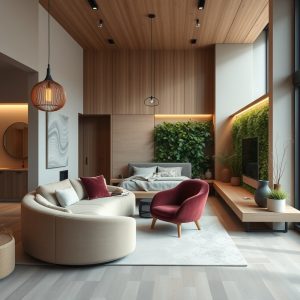
The Art of Modern Serenity: How Smart Kitchen Technology and Japandi Style Bedrooms Craft a Mindful Home
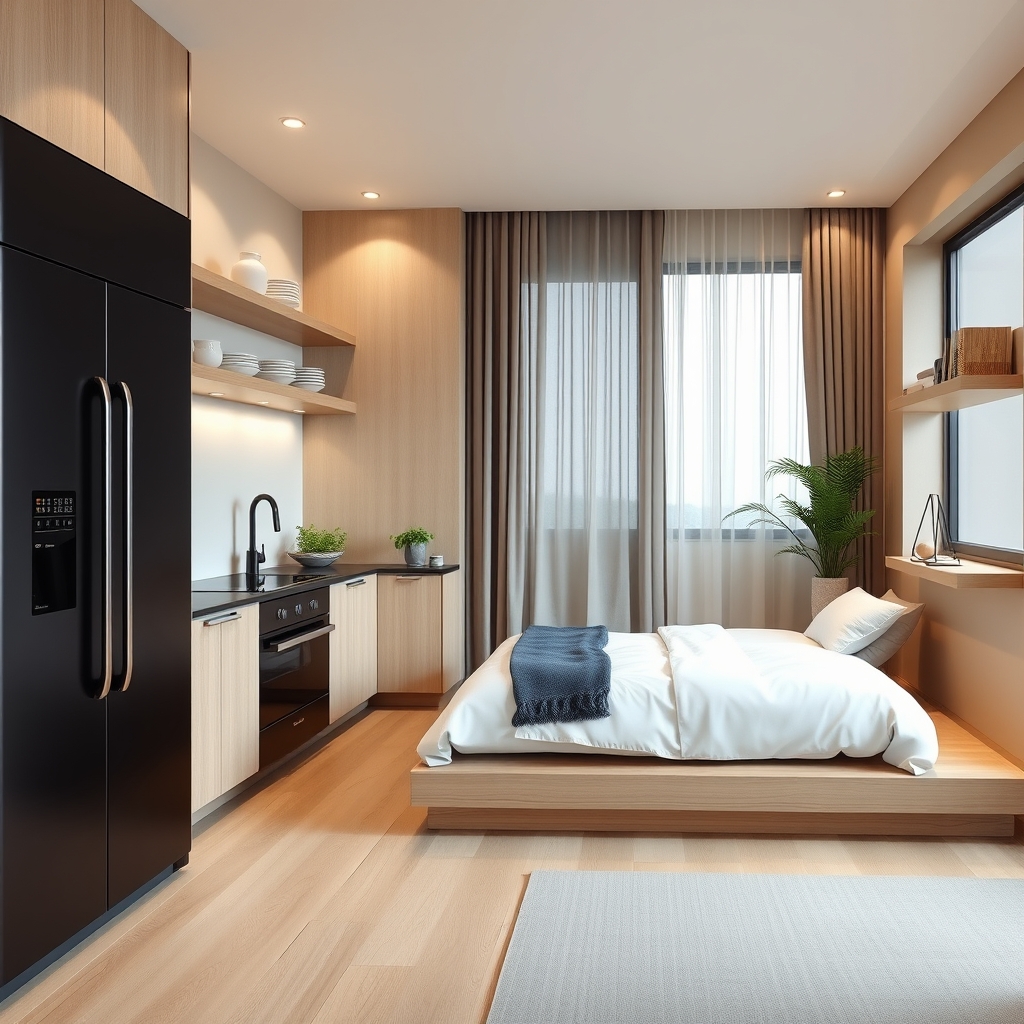
In the heart of every modern home lies a quiet revolution—a shift toward spaces that nurture the soul as much as they serve the body. The fusion of smart kitchen technology and Japandi style bedrooms represents more than just a design trend; it’s a philosophy that marries innovation with intention, efficiency with elegance, and technology with tranquility. This approach doesn’t just redefine how we live; it reimagines how we feel within our own walls.
The Heart of the Home: Smart Kitchens That Think Ahead
The kitchen has long been the nucleus of the home, but today’s smart kitchen technology is transforming it into a space that anticipates needs before they arise. Imagine a refrigerator that suggests recipes based on the ingredients inside, or a faucet that dispenses the exact amount of water needed for a recipe with a simple voice command. These aren’t futuristic fantasies—they’re the realities of modern living, where convenience and sustainability go hand in hand.
Smart appliances are designed to streamline daily routines, reducing waste and energy consumption without sacrificing performance. Induction cooktops, for instance, heat up instantly and cool down just as quickly, offering precision that traditional gas or electric stoves can’t match. Meanwhile, smart ovens can be preheated remotely, ensuring that dinner is ready the moment you walk through the door. The beauty of these innovations lies in their ability to fade into the background, allowing the kitchen to remain a place of warmth and connection rather than a hub of stress.
But the true magic of a smart kitchen isn’t just in its gadgets—it’s in how it integrates with the rest of the home. Open shelving with sensor-activated lighting, hidden charging stations for devices, and even composting systems that blend seamlessly into cabinetry are all part of a design ethos that prioritizes both form and function. The result is a space that feels effortlessly modern, where technology enhances rather than overwhelms.
The Sanctuary of Sleep: Japandi Style Bedrooms for Mindful Living
If the kitchen is the heart of the home, the bedroom is its soul. Here, the principles of Japandi style—a harmonious blend of Japanese minimalism and Scandinavian functionality—create a sanctuary that soothes the mind and rejuvenates the spirit. Japandi bedrooms are defined by their uncluttered spaces, natural materials, and a color palette that draws from the earth, evoking a sense of calm that is both timeless and deeply personal.
At the core of Japandi design is the idea of wabi-sabi, the Japanese philosophy that finds beauty in imperfection and transience. This is reflected in the use of raw, organic materials like wood, linen, and stone, which age gracefully and tell a story over time. Furniture is low to the ground, with clean lines that emphasize simplicity and purpose. A platform bed with a slatted base, for example, not only adds to the minimalist aesthetic but also promotes better airflow and a connection to the earth.
Color plays a pivotal role in crafting the serene atmosphere of a Japandi bedroom. Soft, muted tones—think warm whites, gentle grays, and earthy beiges—dominate the palette, creating a backdrop that feels both expansive and intimate. Accents of deeper hues, like indigo or moss green, are used sparingly to add depth without disrupting the sense of tranquility. The goal is to create a space that feels like a retreat, where every element has been carefully considered to promote rest and reflection.
The Intersection of Innovation and Intention
What makes the combination of smart kitchens and Japandi bedrooms so powerful is their shared commitment to mindful living. Both approaches prioritize sustainability, whether through energy-efficient appliances or the use of eco-friendly materials. They also emphasize the importance of intentional design—creating spaces that serve a purpose beyond mere aesthetics. A smart kitchen isn’t just about convenience; it’s about reducing waste and making daily life more sustainable. Similarly, a Japandi bedroom isn’t just about looking beautiful; it’s about fostering a sense of peace and well-being.
This mindful approach extends to the way these spaces interact with one another. In a modern home, the kitchen and bedroom are no longer isolated zones but part of a cohesive whole. Sliding doors or open sightlines can connect the two, allowing natural light to flow freely and creating a sense of continuity. Even the materials used in both spaces—like reclaimed wood or matte black hardware—can echo one another, reinforcing the home’s overall aesthetic and ethos.
Bringing Nature Indoors: The Role of Biophilic Design
No discussion of modern serenity would be complete without mentioning biophilic design, the practice of incorporating natural elements into interior spaces. In both smart kitchens and Japandi bedrooms, biophilic principles play a crucial role in enhancing well-being. Indoor herb gardens, for example, can thrive on a kitchen windowsill, providing fresh ingredients while purifying the air. In the bedroom, a single potted plant or a small indoor garden wall can bring a touch of nature indoors, reducing stress and improving air quality.
Natural light is another key component of biophilic design. Large windows, skylights, and strategically placed mirrors can amplify daylight, creating a brighter, more inviting space. In a Japandi bedroom, sheer linen curtains diffuse light softly, casting a warm glow that enhances the room’s calming atmosphere. In the kitchen, under-cabinet lighting can mimic natural daylight, making meal prep a more pleasant experience.
Creating a Home That Adapts to You
The true beauty of blending smart technology with Japandi design lies in its adaptability. These spaces aren’t static; they evolve with the needs of those who inhabit them. A smart kitchen can be programmed to adjust lighting, temperature, and even music based on the time of day or the preferences of its users. A Japandi bedroom can be rearranged to accommodate a new meditation corner or a cozy reading nook, ensuring that the space remains a true reflection of its occupant’s lifestyle.
This flexibility is what makes modern homes so compelling. They’re not just places to live; they’re environments that support and enhance the way we live. Whether it’s the quiet hum of a smart refrigerator keeping ingredients fresh or the soft rustle of linen curtains in a Japandi bedroom, these spaces are designed to make life simpler, more sustainable, and infinitely more serene.
In a world that often feels chaotic and overwhelming, the home should be a refuge—a place where technology and tranquility coexist in perfect harmony. By embracing the principles of smart design and mindful living, it’s possible to create a space that not only looks beautiful but feels like a sanctuary for the soul. The key lies in striking the right balance: enough innovation to make life easier, enough simplicity to make it meaningful, and enough intention to make it truly your own.