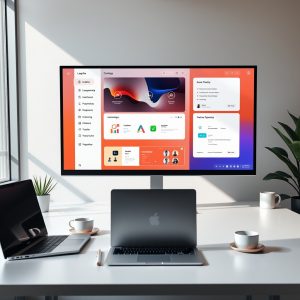
The Evolution of Intuitive Design: A Deep Dive into Iterative Interface Improvement
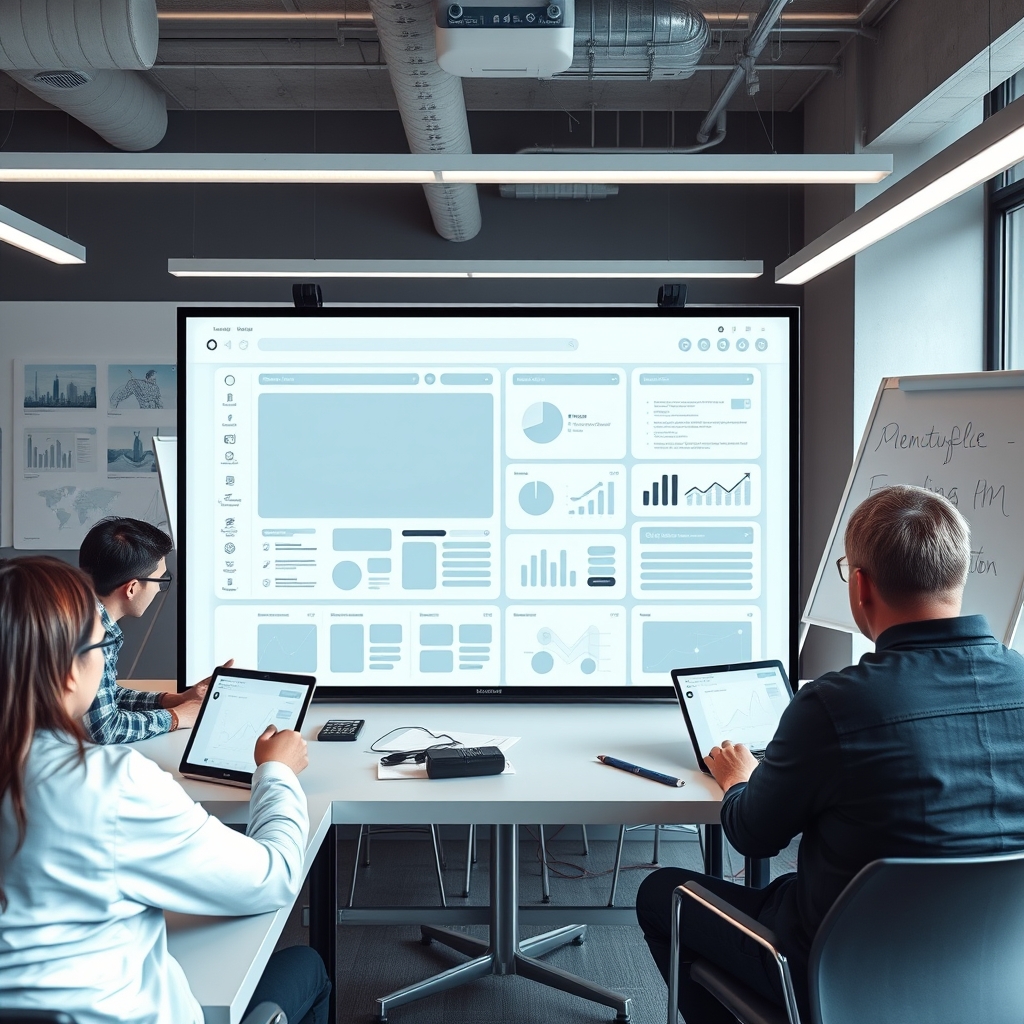
In the ever-evolving landscape of digital design, the pursuit of intuitive interfaces is a perpetual journey rather than a destination. This journey is marked by continuous refinement, driven by a blend of user-centered design optimization, experiential design thinking, and data-informed design upgrades. The goal is to create seamless user experience enhancement through iterative interface improvement.
Understanding User-Centered Design Optimization
User-centered design optimization places the user at the heart of the design process. It involves understanding user needs, behaviors, and pain points to create interfaces that are not only functional but also enjoyable to use. This approach ensures that every design decision is rooted in user insights, leading to more intuitive and effective interfaces.
Experiential Design Thinking
Experiential design thinking goes beyond traditional user-centered design by focusing on the emotional and cognitive aspects of user experience. It aims to create interfaces that evoke positive emotions and provide a sense of satisfaction. This holistic approach considers the entire user journey, from initial interaction to final engagement, ensuring a cohesive and enjoyable experience.
Data-Informed Design Upgrades
Data-informed design upgrades leverage analytics and user feedback to make informed design decisions. By analyzing user behavior and performance metrics, designers can identify areas for improvement and implement changes that enhance usability and satisfaction. This data-driven approach ensures that design upgrades are based on empirical evidence rather than guesswork.
Iterative Interface Improvement
Iterative interface improvement is a cyclical process that involves continuous testing, feedback, and refinement. This approach allows designers to make incremental changes based on user feedback and performance data. By iterating on the design, designers can gradually improve the interface, making it more intuitive and user-friendly over time.
Prototyping and Testing Cycles
Prototyping and testing cycles are integral to iterative interface improvement. Prototypes allow designers to test new ideas and gather user feedback before implementing changes. This iterative process helps identify potential issues early and ensures that the final design meets user needs and expectations.
Collaborative Design Iteration
Collaborative design iteration involves working closely with users, stakeholders, and other designers to refine the interface. This collaborative approach fosters a shared understanding of user needs and ensures that the design aligns with business goals. By working together, designers can create interfaces that are both user-friendly and effective.
Seamless User Experience Enhancement
Seamless user experience enhancement focuses on creating interfaces that are intuitive, efficient, and enjoyable to use. This involves refining the layout, improving navigation, and enhancing visual communication. By focusing on these aspects, designers can create interfaces that provide a smooth and satisfying user experience.
Intuitive Layout Refinement
Intuitive layout refinement involves organizing interface elements in a way that is logical and easy to navigate. This includes using clear hierarchies, consistent layouts, and intuitive navigation menus. By refining the layout, designers can create interfaces that are easy to use and understand.
Efficient Visual Communication
Efficient visual communication involves using visual elements such as icons, colors, and typography to convey information clearly and effectively. This includes using visual cues to guide users through the interface and using consistent design elements to create a cohesive look and feel. By focusing on efficient visual communication, designers can create interfaces that are both functional and aesthetically pleasing.
In conclusion, the evolution of intuitive design is a continuous process that involves user-centered design optimization, experiential design thinking, and data-informed design upgrades. By embracing iterative interface improvement and focusing on seamless user experience enhancement, designers can create interfaces that are intuitive, efficient, and enjoyable to use. This ongoing journey ensures that digital experiences remain relevant, effective, and user-friendly in an ever-changing landscape.