Whispers of the Wild: Infusing Biophilic Design with Earthy Tones and Smart Functionality
In the ever-evolving landscape of interior design, the fusion of nature and innovation has given rise to spaces that not only captivate the eye but also nurture the soul. The modern home is no longer just a shelter; it’s a sanctuary where every element is thoughtfully curated to create harmony between aesthetics and well-being. This philosophy is at the heart of biophilic design, a trend that continues to shape how we perceive and interact with our living spaces. By weaving natural elements into the fabric of our homes, we invite tranquility, creativity, and a sense of connection to the world outside.
The Essence of Biophilic Design
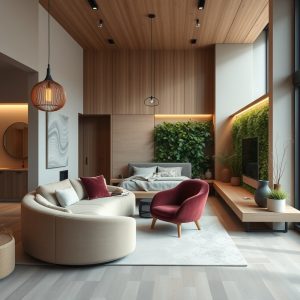
Biophilic design is more than just adding a few plants to a room—it’s a holistic approach that integrates natural materials, patterns, and processes into the built environment. The goal is to create spaces that resonate with our innate desire to be close to nature, even when we’re indoors. This can be achieved through the use of organic shapes, natural light, and materials like wood, stone, and linen. The result is a space that feels alive, dynamic, and deeply soothing.
One of the most effective ways to embrace biophilic design is through the strategic placement of greenery. Indoor plants not only purify the air but also add a layer of visual interest and texture to a room. Consider incorporating a mix of large statement plants, like a fiddle-leaf fig or a monstera, alongside smaller varieties such as snake plants or pothos. These plants can be styled in woven baskets, ceramic pots, or even hanging planters to create a sense of depth and movement. For those with limited space, vertical gardens or living walls offer a stunning alternative, turning an ordinary wall into a lush, living tapestry.
Earthy Color Palettes: A Canvas of Calm
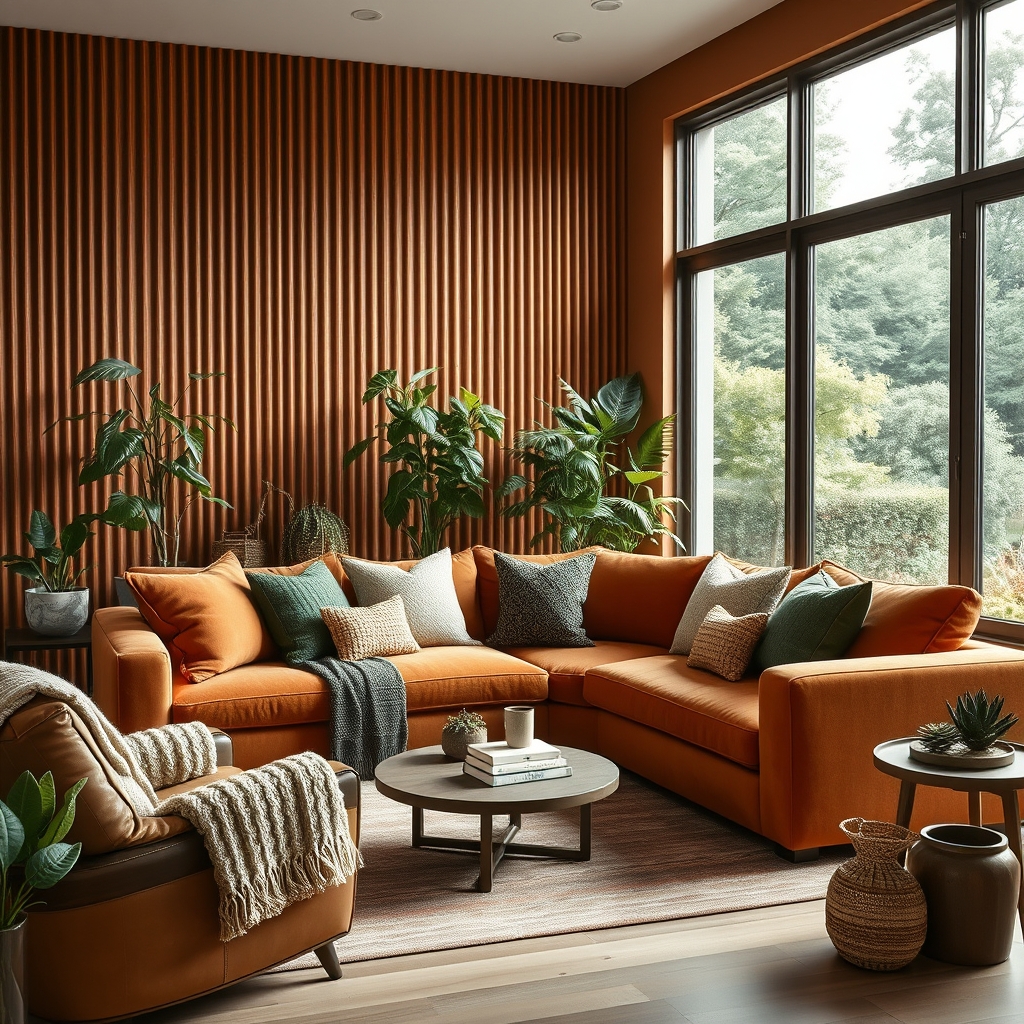
The colors we choose for our homes play a pivotal role in shaping the atmosphere. Earthy color palettes, inspired by the natural world, are a cornerstone of biophilic design. Think warm terracottas, soft ochres, deep forest greens, and muted blues—hues that evoke the tranquility of a sunrise over a desert or the quiet beauty of a moss-covered forest floor. These colors create a sense of grounding and warmth, making a space feel inviting and cohesive.
To bring an earthy palette to life, start with a neutral base of whites, beiges, or soft grays, then layer in deeper tones through textiles, artwork, and decor. A curved sofa in a rich, earthy tone can serve as a focal point, while throw pillows and blankets in complementary shades add depth and comfort. Don’t shy away from mixing textures—think linen curtains, wool rugs, and jute baskets—to enhance the tactile experience and reinforce the connection to nature.
Smart Functionality: Where Innovation Meets Intention
While aesthetics are important, the modern home must also be functional. This is where smart design solutions come into play, allowing us to create spaces that are as practical as they are beautiful. Multi-functional furniture, for example, is a game-changer for small spaces. A coffee table with hidden storage, a sofa that converts into a guest bed, or a dining table that doubles as a workspace can maximize utility without compromising on style. These pieces are not only space-saving but also align with the principles of sustainability, as they reduce the need for excess furniture.
Smart lighting control is another innovation that enhances the biophilic experience. Lighting sets the mood in a room, and with the advent of smart bulbs and systems, it’s easier than ever to create dynamic lighting schemes that mimic the natural progression of daylight. Warm, dimmable lights can simulate the soft glow of sunset, while brighter, cooler tones can energize a space in the morning. Automated lighting can also be programmed to adjust throughout the day, reducing eye strain and promoting a healthier circadian rhythm.
Textured Walls and Organic Architecture
Walls are often an overlooked canvas in interior design, but they hold immense potential to transform a space. Textured wall coverings, such as fluted panels, grasscloth, or reclaimed wood, add depth and character to a room. These materials not only enhance the visual appeal but also create a tactile experience that invites touch and interaction. Fluted wall panels, in particular, have gained popularity for their ability to diffuse light softly, adding a sense of movement and elegance to a space.
Organic modern architecture takes this concept further by blurring the lines between indoor and outdoor spaces. Large windows, sliding glass doors, and skylights are key features of this design philosophy, allowing natural light to flood the interior and offering uninterrupted views of the outdoors. The use of natural materials like stone, wood, and clay in architectural elements further reinforces the connection to nature. Whether it’s a rustic wooden beam or a sleek stone fireplace, these elements add warmth and authenticity to a home.
Creating Cozy Nooks and Thoughtful Accents
In a world that often feels fast-paced and chaotic, there’s something deeply comforting about having a cozy corner to retreat to. A reading nook, for instance, can be a sanctuary of calm, where one can unwind with a book and a cup of tea. To create such a space, start with a comfortable chair or a small loveseat, then layer in soft textiles like a chunky knit throw or a sheepskin rug. A floor lamp with a warm glow and a small side table to hold books and a cup of tea complete the look. For added charm, consider vintage aesthetic accents like an antique mirror, a weathered leather-bound book, or a collection of framed botanical prints.
Maximalist gallery walls are another way to infuse personality into a space. Unlike minimalist designs, which often favor simplicity, maximalist gallery walls embrace eclecticism and abundance. Mix and match frames, artwork, and decor items to create a visual narrative that reflects your interests and experiences. The key is to balance the chaos with a cohesive color palette or theme, ensuring that the wall feels intentional rather than cluttered. For a biophilic twist, incorporate nature-inspired artwork, such as botanical illustrations or landscape paintings, alongside personal photographs and travel souvenirs.
As we navigate the complexities of modern life, our homes serve as a refuge—a place where we can reconnect with ourselves and the natural world. By embracing biophilic design, earthy color palettes, and smart functionality, we create spaces that are not only beautiful but also nurturing. These elements work in harmony to foster a sense of well-being, reminding us that our surroundings have the power to shape our moods, our creativity, and our overall quality of life. Whether it’s the soft rustle of leaves from an indoor plant or the warm glow of a smartly lit room, these small details come together to create a home that feels truly alive.