Vinyl Plank Flooring: The Modern Homeowner’s Guide to Durability, Style, and Easy Installation
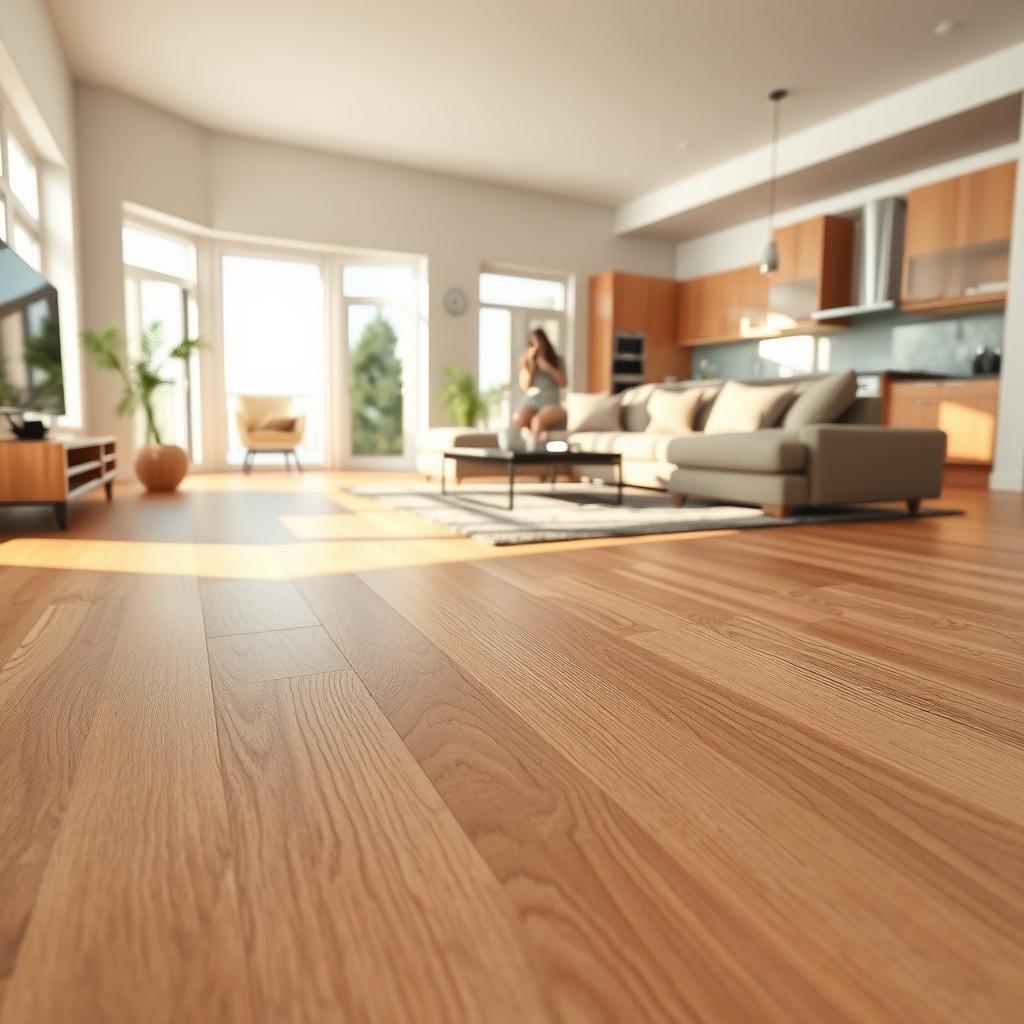
Flooring is the foundation of any home’s aesthetic and functionality, and few options have surged in popularity as rapidly as vinyl plank flooring. Once dismissed as a budget-friendly alternative, today’s luxury vinyl planks (LVP) have evolved into a premium choice for homeowners seeking durability, versatility, and stunning visual appeal. Whether you’re renovating a high-traffic family room, updating a rental property, or simply craving a fresh look without the hassle of hardwood, vinyl plank flooring offers a solution that balances performance with style.
The Rise of Vinyl Plank Flooring: Why It’s Dominating the Market
Vinyl plank flooring has come a long way from the thin, easily damaged sheets of the past. Modern LVP is engineered with multiple layers, including a rigid core for stability, a high-resolution photographic layer for realistic wood or stone visuals, and a protective wear layer that resists scratches, stains, and moisture. This evolution has made it a top contender in the flooring industry, rivaling traditional hardwood, laminate, and tile in both appearance and longevity.
One of the biggest draws of vinyl plank flooring is its waterproof properties. Unlike hardwood, which can warp or buckle when exposed to moisture, or laminate, which may swell at the seams, LVP stands up to spills, humidity, and even pet accidents with ease. This makes it an ideal choice for kitchens, bathrooms, basements, and laundry rooms—spaces where other flooring types might falter. Additionally, its resilience against dents and scratches makes it perfect for households with kids, pets, or heavy foot traffic.
Design Flexibility: Mimicking the Look of Natural Materials
Gone are the days when vinyl flooring looked cheap or artificial. Advances in digital printing technology have allowed manufacturers to create planks that convincingly replicate the texture, grain, and color variations of hardwood, stone, and even concrete. Whether you prefer the rustic charm of reclaimed oak, the sleek elegance of marble, or the industrial vibe of polished concrete, there’s a vinyl plank design to match your vision.
Another advantage is the variety of plank sizes and installation patterns available. Wider planks can make a small room feel more spacious, while herringbone or chevron layouts add a touch of sophistication. Some brands even offer planks with embossed textures that mimic hand-scraped or wire-brushed wood, enhancing the realism. With so many options, vinyl plank flooring can seamlessly integrate into any design scheme, from farmhouse to contemporary.
Easy Installation: A DIY-Friendly Project
For homeowners looking to tackle a renovation project themselves, vinyl plank flooring is one of the most DIY-friendly options on the market. Many products feature a click-lock or glue-less floating floor system, which allows the planks to snap together without the need for nails, adhesives, or specialized tools. This not only speeds up the installation process but also reduces labor costs if you choose to hire a professional.
Before installation, it’s crucial to prepare the subfloor properly. The surface should be clean, dry, and level to prevent gaps or unevenness. Some homeowners opt to lay down an underlayment for added sound absorption and comfort underfoot, though many vinyl planks come with an attached padding layer. For rooms with unique layouts or obstacles like cabinets or doorways, precise measuring and cutting are essential. While the process is straightforward, taking the time to plan and execute the installation carefully will ensure a flawless finish.
Maintenance Made Simple
One of the most appealing aspects of vinyl plank flooring is its low-maintenance nature. Unlike hardwood, which requires regular polishing and refinishing, or carpet, which traps dust and allergens, LVP can be kept looking pristine with minimal effort. Routine cleaning involves sweeping or vacuuming to remove dirt and debris, followed by a damp mop with a mild cleaner. Avoid harsh chemicals or abrasive tools, as these can damage the wear layer over time.
For deeper cleaning, many manufacturers offer specialized vinyl floor cleaners that remove stubborn stains without leaving residue. In the event of a scratch or scuff, some products come with repair kits that allow you to buff out minor imperfections. With proper care, high-quality vinyl plank flooring can maintain its beauty and functionality for 15 to 20 years or more, making it a long-term investment in your home’s value.
Cost Considerations: Balancing Budget and Quality
Vinyl plank flooring is often praised for its affordability, but prices can vary widely depending on the quality, thickness, and brand. Basic options may start as low as $2 per square foot, while premium planks with enhanced durability and realistic visuals can exceed $7 per square foot. While this is still generally less expensive than hardwood or stone, it’s important to weigh the upfront cost against the long-term benefits.
Higher-end vinyl planks typically feature a thicker wear layer (measured in mils), which provides better resistance to scratches and wear. They may also include additional features like attached underlayment, enhanced waterproofing, or antimicrobial treatments. If you’re installing flooring in a high-traffic area or a home with pets and children, investing in a higher-quality product can pay off in the long run by reducing the need for repairs or replacements.
Environmental Impact and Sustainability
As sustainability becomes a growing concern for homeowners, many vinyl plank flooring manufacturers are taking steps to reduce their environmental footprint. Some brands use recycled materials in their core layers, while others have developed phthalate-free products to minimize harmful emissions. Additionally, the longevity of vinyl plank flooring means it doesn’t need to be replaced as frequently as other materials, reducing waste over time.
When shopping for vinyl plank flooring, look for certifications like FloorScore or GREENGUARD, which indicate that the product meets strict indoor air quality standards. These certifications can provide peace of mind, especially for households with allergy sufferers or young children. While vinyl flooring isn’t biodegradable, many manufacturers offer recycling programs to repurpose old planks, further mitigating its environmental impact.
Choosing the right flooring for your home is about more than just aesthetics—it’s about finding a solution that aligns with your lifestyle, budget, and long-term goals. Vinyl plank flooring checks all these boxes, offering a blend of durability, style, and ease of maintenance that few other materials can match. Whether you’re drawn to its waterproof properties, its realistic designs, or its straightforward installation, it’s a choice that delivers both immediate satisfaction and lasting value. As you explore your options, consider how this versatile flooring could transform your space into one that’s not only beautiful but also built to withstand the demands of everyday life.