Home Office Zoning in Small Spaces: Designing Productive and Inspiring Work Nooks
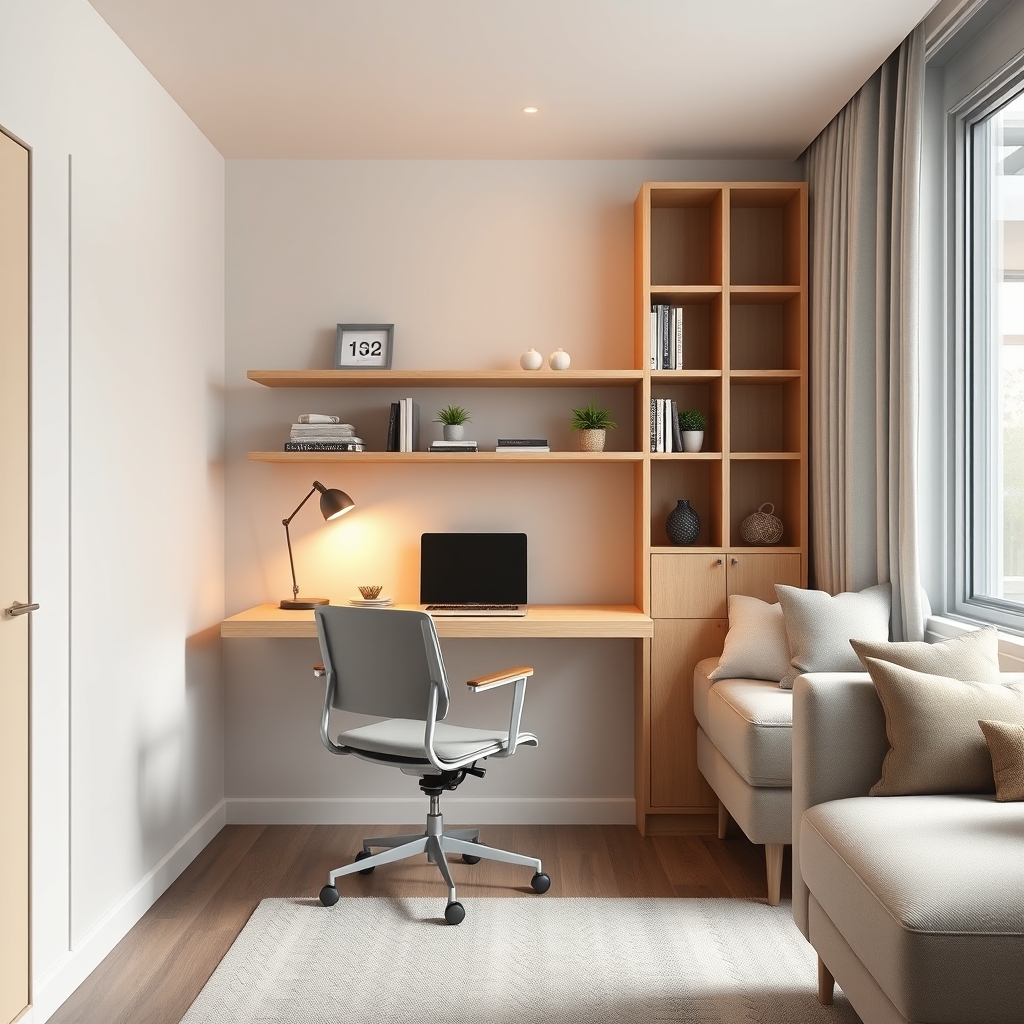
In today’s fast-evolving work landscape, the line between professional and personal spaces has blurred, making it essential to carve out a dedicated home office—even in the smallest of apartments. The challenge lies in creating a functional workspace that doesn’t compromise the flow, aesthetics, or comfort of your living area. Thoughtful home office zoning can transform an overlooked corner, a narrow alcove, or even a section of your living room into a productivity powerhouse while maintaining the harmony of your space.
The Psychology of Zoning: Why It Matters
Zoning isn’t just about physical separation; it’s about mental clarity. When your brain associates a specific area with work, it becomes easier to focus, minimize distractions, and transition into a productive mindset. In small spaces, this psychological boundary is even more critical. Without it, the lines between work and relaxation can blur, leading to burnout or a constant feeling of being “on.” The key is to design a zone that signals “work mode” the moment you step into it, whether through lighting, furniture placement, or subtle visual cues.
Strategic Placement: Where to Position Your Home Office
Not all corners of a room are created equal when it comes to productivity. The ideal location for a home office depends on natural light, traffic flow, and the existing layout of your space. For instance, placing your desk near a window can boost mood and energy levels, but it’s important to avoid glare on screens. If your space lacks natural light, consider a well-lit nook with layered lighting—task lamps, ambient overhead lights, and even LED strips can create a bright, inviting atmosphere.
Corner Desks: Maximizing Underutilized Space
Corners are often the most underutilized areas in a room, making them perfect for a compact home office. A corner desk can fit snugly into tight spaces while providing ample surface area for monitors, notebooks, and other essentials. Opt for a floating desk to maintain an open feel or choose a model with built-in storage to keep clutter at bay. Pair it with an ergonomic chair that tucks neatly under the desk when not in use to save space.
Under-Stair Offices: Creative Use of Awkward Spaces
If you’re working with an awkward nook—like the space under a staircase—embrace its unique shape. Custom-built desks or modular furniture can turn these areas into efficient workstations. Add shelves or cabinets above the desk to maximize vertical storage, and use a slim-profile chair that can be easily stored away. This approach not only optimizes space but also adds a touch of architectural interest to your home.
Multi-Functional Furniture: The Secret to Flexibility
In small spaces, furniture that serves multiple purposes is a game-changer. A Murphy desk, for example, can fold down when not in use, freeing up valuable floor space. Similarly, a console table with a drop-leaf extension can double as a dining surface or a temporary workspace. For those who need to switch between work and relaxation, consider a desk that converts into a console or a bookshelf that doubles as a room divider. These pieces allow your home office to adapt to your needs without overwhelming the space.
Studio Apartment Dividers: Creating Visual Separation
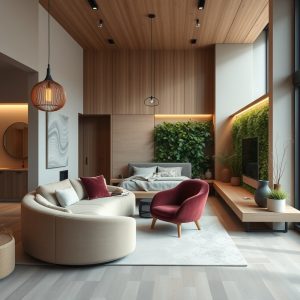
In open-concept living areas or studio apartments, creating a distinct workspace can be challenging. Studio apartment dividers—such as folding screens, open shelving units, or even curtains—can provide the necessary separation without closing off the space entirely. A bookshelf divider, for instance, can act as a storage solution while subtly delineating the work zone from the living area. For a softer approach, sheer curtains or sliding panels can be drawn when privacy is needed and tucked away when not in use.
Ergonomics and Comfort: Designing for Long Hours
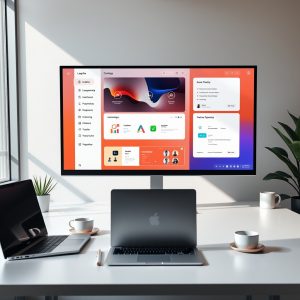
A well-designed home office isn’t just about aesthetics; it’s about comfort and health. Ergonomics play a crucial role in preventing strain and fatigue, especially if you spend long hours at your desk. Start with an adjustable chair that supports your posture, and position your monitor at eye level to reduce neck strain. If space allows, incorporate a small standing desk converter to alternate between sitting and standing throughout the day. Even in tight quarters, prioritizing ergonomics can make a world of difference in your productivity and well-being.
Lighting: The Unsung Hero of Productivity
Lighting can make or break a home office. Poor lighting can cause eye strain, headaches, and fatigue, while well-planned lighting can enhance focus and energy. Layered lighting is the key—combine ambient lighting (like a ceiling fixture) with task lighting (such as a desk lamp) and accent lighting (like LED strips under shelves) to create a balanced, adaptable workspace. If possible, position your desk near a window to take advantage of natural light, but use blackout curtains or blinds to control glare when needed.
Visual Balance: Creating a Cohesive Look
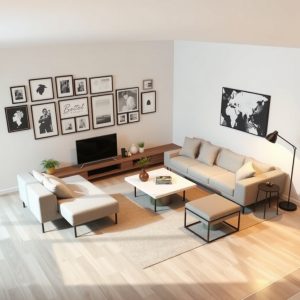
Even in a small space, your home office should feel like a natural extension of your home’s design. Visual balance is essential to achieving this cohesion. Symmetry can create a sense of order, while asymmetry can add dynamism and interest. For example, if your desk is placed against a wall, balance it with a pair of matching wall sconces or framed artwork. Alternatively, use a gallery wall to draw the eye upward and create the illusion of a larger space. The goal is to integrate your workspace seamlessly into the room’s aesthetic, so it feels intentional rather than an afterthought.
Minimalism: Less Clutter, More Focus
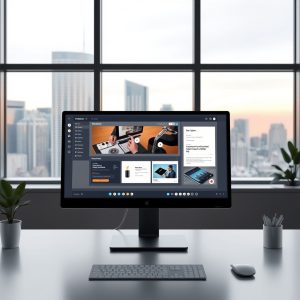
Clutter is the enemy of productivity, especially in small spaces. A minimalist approach to your home office can help reduce distractions and create a calming environment. Opt for furniture with clean lines and built-in storage to keep essentials within reach without overwhelming the space. Use cable management solutions to keep cords tidy, and choose a neutral or monochromatic color palette to create a sense of tranquility. The less visual noise in your workspace, the easier it will be to concentrate on the task at hand.
Designing a home office in a small space is all about intentionality. Every piece of furniture, every lighting choice, and every storage solution should serve a purpose—whether it’s enhancing productivity, maximizing space, or maintaining the flow of your home. By thoughtfully zoning your workspace, you can create a nook that not only meets your professional needs but also inspires creativity and focus. The best part? You don’t need a large footprint to make a big impact. With the right approach, even the smallest corner can become a powerhouse of productivity and style, proving that great design is about working with what you have, not against it.