Cozy Conversation Circles: Designing Intimate and Functional Seating Arrangements for Any Space
Creating a home that fosters connection and comfort often starts with how you arrange your seating. Whether you’re working with a sprawling open-concept living room or a compact studio apartment, the way you position your furniture can transform a space from merely functional to warmly inviting. Cozy conversation circles are more than just a design trend—they’re a thoughtful approach to encouraging interaction, relaxation, and a sense of togetherness in your home.
The Psychology Behind Conversation Circles
Humans are inherently social creatures, and our environments play a significant role in how we engage with one another. Research in environmental psychology suggests that seating arrangements can influence the quality of conversations. Circular or semi-circular layouts, for instance, promote eye contact and equal participation, making them ideal for intimate gatherings. In contrast, linear arrangements, like rows of chairs or sofas facing a television, can create a more passive, less interactive atmosphere.
Incorporating conversation circles into your home isn’t just about aesthetics; it’s about designing a space that nurtures relationships. Whether you’re hosting a dinner party, enjoying a quiet evening with family, or catching up with friends, the right seating arrangement can set the tone for meaningful interactions.
Designing for Small Spaces
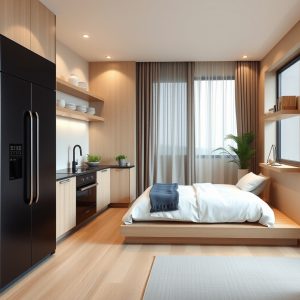
Small spaces often present the biggest challenges when it comes to furniture arrangement, but they also offer unique opportunities to get creative. In a studio apartment or a compact living room, every piece of furniture must serve multiple purposes while maintaining a sense of openness. A well-placed conversation circle can make a small space feel more intimate without sacrificing functionality.
Consider using modular or multi-functional furniture, such as ottomans with storage, nesting tables, or a loveseat paired with a couple of armchairs. These pieces can be rearranged easily to accommodate different needs—whether you’re hosting a game night or enjoying a solo evening with a book. Floating furniture layouts, where pieces are positioned away from walls, can also help create a more dynamic and flexible space, allowing for better traffic flow and a more natural conversation area.
Studio Apartment Dividers and Zoning
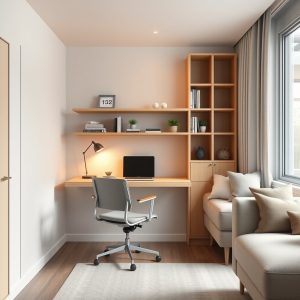
In open-concept or studio apartments, zoning is key to creating distinct areas for different activities. Room dividers, such as bookshelves, screens, or even strategically placed furniture, can help define a conversation circle without closing off the space entirely. For example, a low bookshelf can act as a subtle divider between the living area and a home office, while a corner sofa can anchor a cozy seating nook.
When zoning a small space, it’s important to consider traffic flow. Ensure there’s enough room to move around comfortably without disrupting the conversation area. A well-planned layout will feel intuitive and effortless, allowing guests to navigate the space with ease.
Maximizing Comfort in Larger Spaces
While small spaces require careful planning, larger rooms come with their own set of challenges. In expansive living areas, it’s easy for furniture to feel lost or disconnected, leading to a space that feels more like a showroom than a home. The key to designing a cozy conversation circle in a larger room is to create a sense of intimacy by grouping furniture together in a way that feels intentional and inviting.
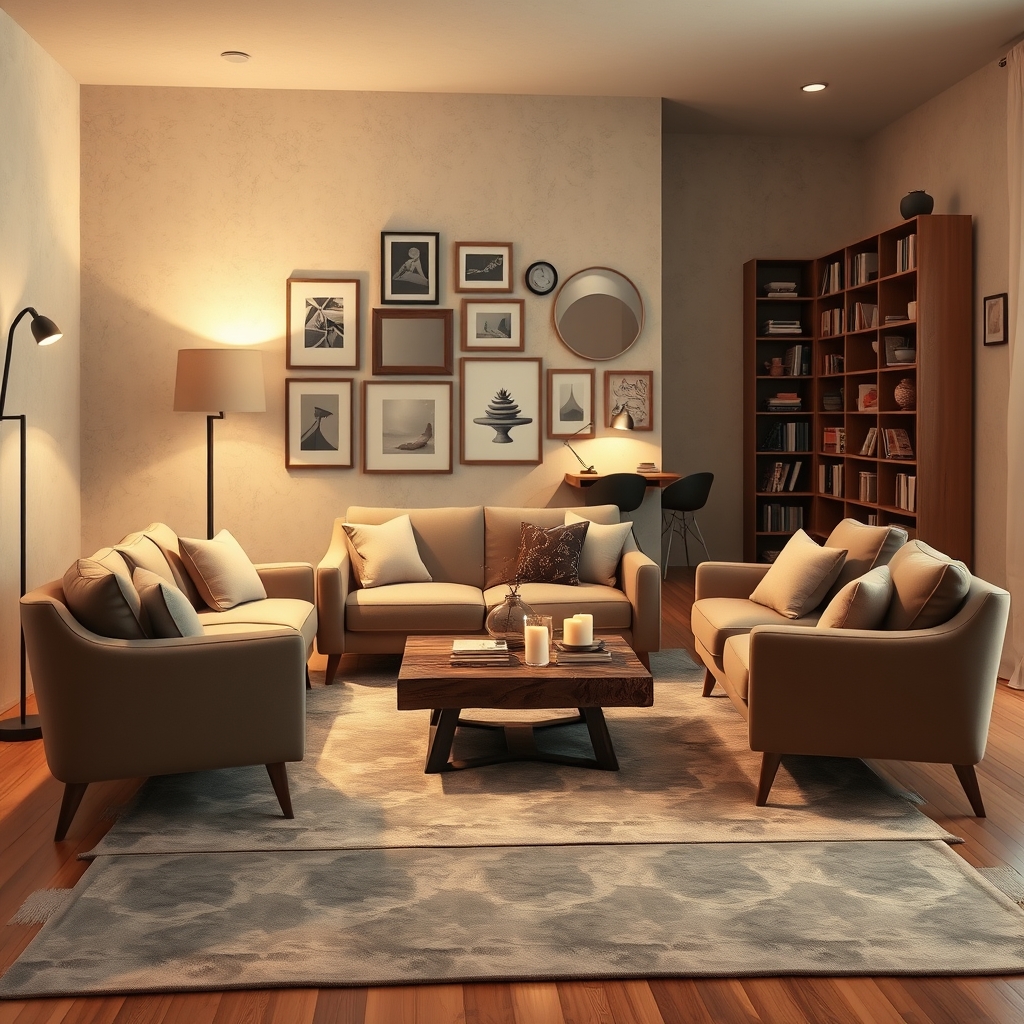
Start by identifying the focal point of the room—whether it’s a fireplace, a large window, or a piece of art—and arrange your seating around it. A symmetrical layout, such as two armchairs facing a sofa, can create a balanced and harmonious look, while an asymmetrical arrangement, like a mix of chairs and a loveseat, can add visual interest. Don’t be afraid to experiment with different configurations until you find one that feels just right.
High Traffic Seating and Ergonomics
Comfort is paramount when designing a conversation circle, and that means paying attention to ergonomics. Chairs and sofas should be supportive and at a height that allows for easy conversation. If your seating area is in a high-traffic part of the home, such as near a kitchen or entryway, consider using durable, easy-to-clean fabrics and materials that can withstand daily wear and tear.
Another tip for larger spaces is to incorporate multiple conversation circles. For example, you might have a primary seating area around the fireplace and a secondary nook near a window for quieter conversations. This approach not only maximizes the functionality of the space but also creates opportunities for different types of interactions.
Visual Balance and Aesthetic Appeal
A well-designed conversation circle is as much about visual balance as it is about comfort. Achieving harmony in your layout involves considering the scale, proportion, and color of your furniture. For instance, pairing a large sectional with delicate side chairs can create a striking contrast, while using a consistent color palette can tie the space together.
Gallery walls and statement lighting can also enhance the aesthetic appeal of your conversation area. A carefully curated gallery wall can serve as a conversation starter, while a statement chandelier or floor lamp can add warmth and ambiance. Don’t forget to incorporate textiles, such as throw pillows, blankets, and rugs, to add layers of texture and coziness.
Flexible and Adaptable Layouts
One of the biggest trends in modern interior design is flexibility. As our lives and needs evolve, so too should our spaces. Investing in furniture that can be easily rearranged or repurposed allows you to adapt your conversation circle to different occasions. For example, a dining table that doubles as a workspace or a sofa that can be reconfigured into a guest bed ensures your home remains functional and inviting, no matter the situation.
Consider using lightweight, mobile furniture, such as rolling carts or stackable chairs, that can be moved around as needed. This approach not only maximizes the versatility of your space but also encourages creativity in how you use it.
Designing a cozy conversation circle is about more than just arranging furniture—it’s about creating a space that reflects your lifestyle and values. Whether you’re working with a tiny apartment or a spacious living room, the right layout can transform your home into a haven of connection and comfort. By focusing on intimacy, functionality, and visual balance, you can craft a seating arrangement that invites people to sit down, stay awhile, and truly engage with one another. The best spaces aren’t just beautiful; they’re lived in, loved, and shared.