Attic Insulation Upgrade: How to Slash Energy Bills and Boost Home Comfort
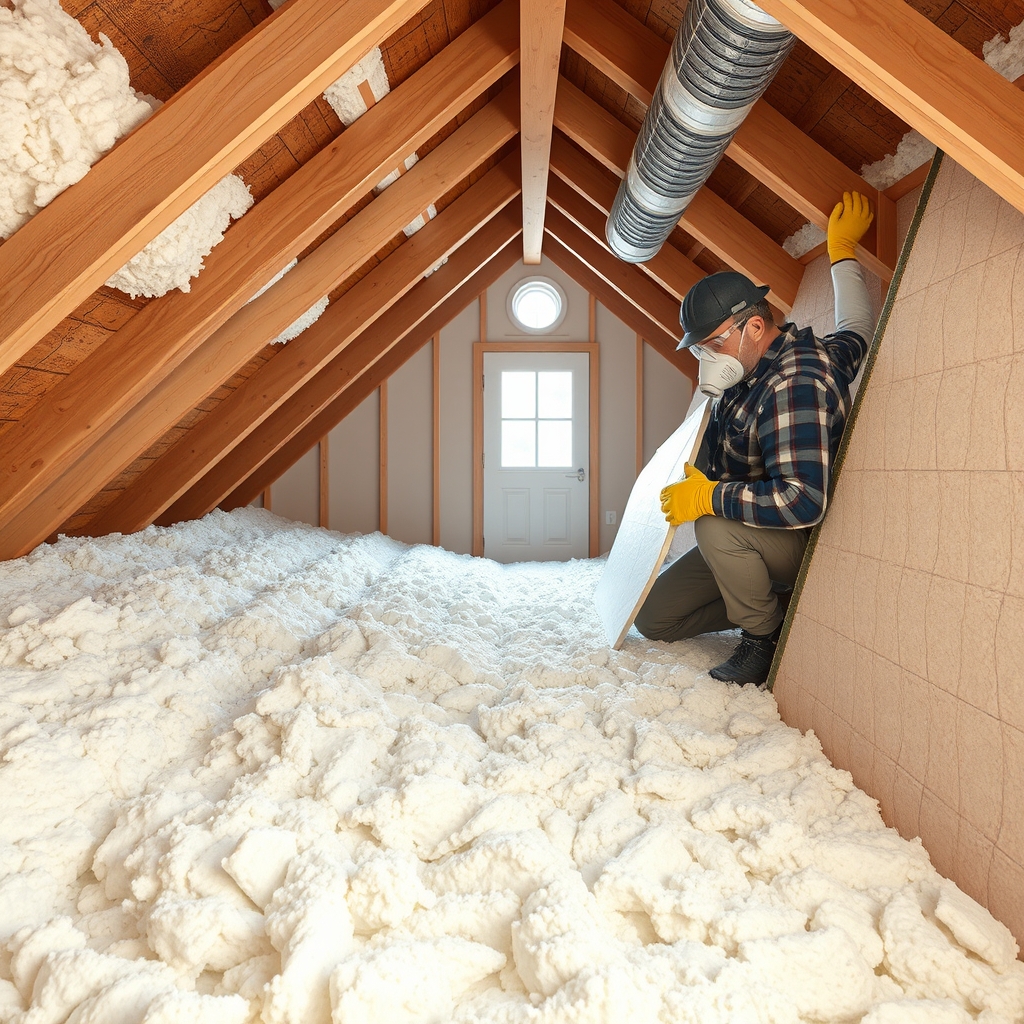
Upgrading your attic insulation is one of the most effective yet often overlooked ways to enhance your home’s energy efficiency. Many homeowners focus on visible upgrades like windows or flooring, but the attic plays a crucial role in regulating indoor temperatures. Poor insulation allows heat to escape in the winter and infiltrate during the summer, forcing your HVAC system to work overtime. The result? Higher energy bills and uneven comfort levels throughout your home. Fortunately, an attic insulation upgrade is a straightforward project that delivers long-term savings and improved living conditions.
Why Attic Insulation Matters
The attic is a primary source of heat loss and gain in most homes. According to the U.S. Department of Energy, proper attic insulation can reduce heating and cooling costs by up to 20%. Insulation works by creating a thermal barrier that slows the transfer of heat, keeping your home warmer in the winter and cooler in the summer. Without adequate insulation, your HVAC system must compensate for the temperature fluctuations, leading to increased wear and tear and higher utility bills. Additionally, poor insulation can contribute to moisture buildup, which may result in mold growth or structural damage over time.
Signs Your Attic Needs an Insulation Upgrade
Not sure if your attic insulation is up to par? Here are some telltale signs that it’s time for an upgrade:
- High Energy Bills: If your heating or cooling costs are consistently rising without a clear explanation, inadequate insulation could be the culprit.
- Uneven Temperatures: Noticeable temperature differences between rooms or floors often indicate poor insulation in the attic.
- Drafts or Cold Walls: If you feel drafts near ceilings or walls, heat may be escaping through the attic.
- Ice Dams in Winter: Ice dams on your roof can form when heat escapes through the attic, melting snow that refreezes at the eaves.
- Old or Damaged Insulation: If your insulation is compressed, water-stained, or deteriorating, it’s time for a replacement.
Choosing the Right Insulation Material
Selecting the right insulation material depends on your budget, climate, and attic structure. Here are some of the most common options:
Fiberglass Batts
Fiberglass batts are one of the most popular and affordable insulation options. They come in pre-cut panels that fit between attic joists, making installation relatively straightforward for DIYers. Fiberglass is non-flammable and resistant to moisture, but it can lose effectiveness if compressed or improperly installed. It’s best suited for attics with standard joist spacing and minimal obstructions.
Blown-In Cellulose
Blown-in cellulose insulation is made from recycled paper products treated with fire retardants. It’s an eco-friendly option that provides excellent coverage, especially in attics with irregular joist spacing or obstacles like wiring and ductwork. Cellulose has a higher R-value (a measure of thermal resistance) than fiberglass, meaning it offers better insulation per inch. However, it can settle over time, reducing its effectiveness, and may require professional installation for optimal results.
Spray Foam Insulation
Spray foam insulation is a premium option that expands to fill gaps and create an airtight seal. It offers the highest R-value per inch and provides both insulation and air sealing in one step. Spray foam is ideal for attics with complex layouts or areas prone to air leaks. However, it’s more expensive than other options and typically requires professional installation. There are two types of spray foam: open-cell, which is lighter and more flexible, and closed-cell, which is denser and provides a stronger moisture barrier.
Radiant Barriers
Radiant barriers are reflective materials installed under the roof to reduce heat gain from the sun. They’re particularly effective in hot climates, where attics can reach temperatures well above 120°F. Radiant barriers work by reflecting radiant heat away from the home, reducing the workload on your air conditioning system. They’re often used in conjunction with other insulation types for maximum efficiency.
DIY vs. Professional Installation
While some homeowners may feel confident tackling attic insulation as a DIY project, there are several factors to consider before diving in. Installing fiberglass batts or blown-in cellulose can be manageable for those with basic handyman skills, but it’s important to take safety precautions. Attics can be cramped, dusty, and poorly ventilated, so wearing protective gear like gloves, goggles, and a respirator is essential. Additionally, working around electrical wiring or ductwork requires caution to avoid accidents.
Hiring a professional insulation contractor can ensure the job is done correctly and efficiently. Professionals have the tools and expertise to handle complex attic layouts, air sealing, and ventilation requirements. They can also recommend the best insulation type for your home and climate, ensuring you get the most bang for your buck. While professional installation comes with a higher upfront cost, the long-term energy savings and improved comfort often justify the investment.
Maximizing the Benefits of Your Attic Insulation Upgrade
To get the most out of your attic insulation upgrade, it’s important to address other factors that can impact energy efficiency. Start by sealing air leaks around attic hatches, recessed lighting, plumbing vents, and chimneys. These gaps can undermine your insulation’s effectiveness by allowing conditioned air to escape. Use caulk, spray foam, or weatherstripping to seal these areas before installing new insulation.
Proper attic ventilation is also critical. Without adequate airflow, moisture can build up, leading to mold growth or wood rot. Ridge vents, soffit vents, or attic fans can help maintain a balanced airflow, preventing excess heat and humidity from accumulating. If your attic lacks ventilation, consider adding it during your insulation upgrade.
Finally, don’t forget to insulate your attic access door or hatch. This often-overlooked area can be a significant source of heat loss. Use weatherstripping around the edges and add an insulated cover to minimize energy waste. By taking these extra steps, you’ll ensure your attic insulation upgrade delivers maximum comfort and savings.
An attic insulation upgrade is more than just a home improvement project—it’s an investment in your home’s comfort, efficiency, and value. With the right materials and proper installation, you can enjoy lower energy bills, a more consistent indoor temperature, and a reduced environmental footprint. Whether you choose to tackle the project yourself or hire a professional, the benefits of a well-insulated attic will pay off for years to come, making it one of the smartest upgrades you can make for your home.